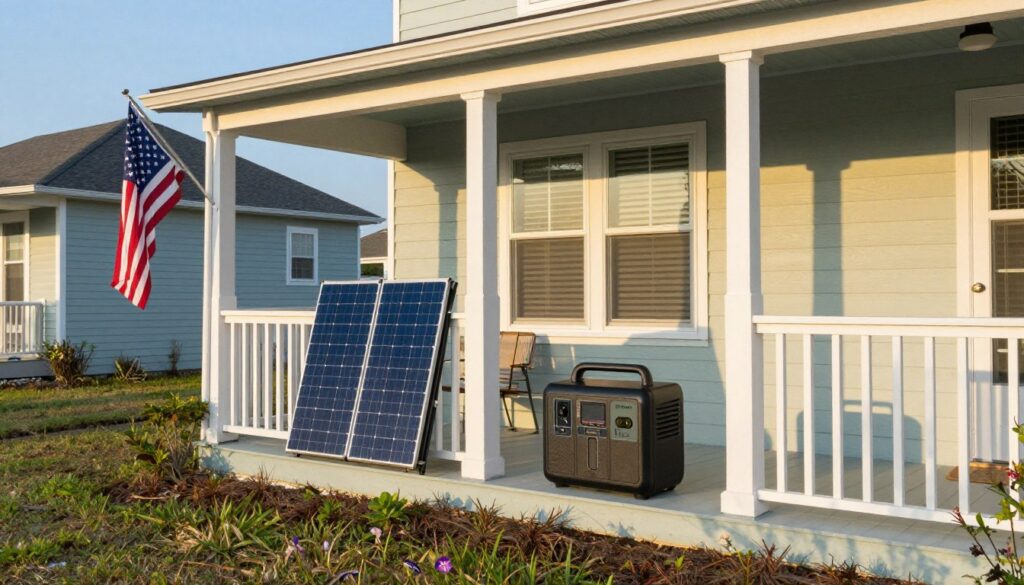
It’s day three without power. August in Florida. The thermometer inside your house reads 89 degrees. Your phone battery shows 12 percent. The refrigerator stopped humming two days ago, and you can smell the spoiled food from the living room. Your mother’s insulin has been sitting in a warm cooler since the storm passed. You’re reading this on a neighbor’s generator, and you’ve made a decision.
This will never happen again.
You’re not here to learn why you need a portable power station. Hurricane Ian taught you that lesson. Hurricane Helene reinforced it. Hurricane Milton made it personal. You’re here because you’ve decided to buy one today, and you need to know which brand deserves your trust and your money: EcoFlow, Jackery, or Anker.
This page exists to answer exactly that question. No generic hurricane prep advice. No beginners’ guide to solar generators. Just a direct, honest comparison of the three premium brands that Gulf Coast homeowners are choosing right now for the 2026 hurricane season.
Affiliate Disclosure: Coastal Guardians is a participant in the Amazon Services LLC Associates Program. As an Amazon Associate we earn from qualifying purchases at no additional cost to you. Our recommendations are based on real-world hurricane preparedness needs, not commission rates.
The Three Brands Hurricane Survivors Are Choosing
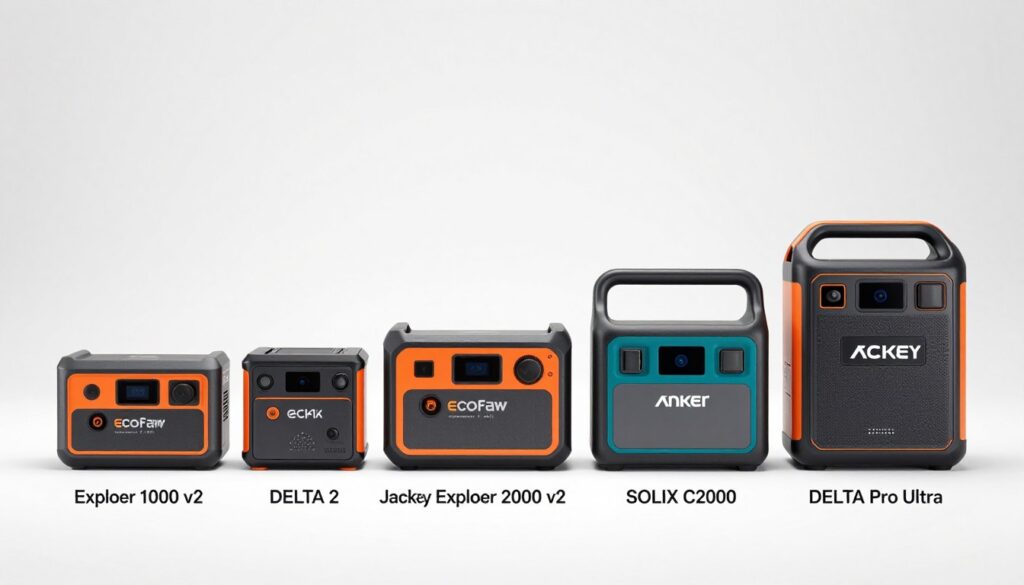
Before we dive into specifications and performance data, let’s establish what makes each of these brands distinct. All three manufacture premium portable power stations. All three have proven themselves capable of keeping Gulf Coast families safe during extended outages. But they approach the problem from fundamentally different angles.
Understanding these brand philosophies will help you identify which manufacturer aligns with your specific needs, budget, and long-term preparedness goals.
EcoFlow
The Ecosystem Builder
Founded: 2017, Shenzhen, China
Hurricane Philosophy: Whole-home ambition through expandable systems that grow from portable backup to integrated home power management.
Product Range: $899 – $3,499
Featured Models: DELTA 2 (1,024Wh), DELTA Pro Ultra (6,000Wh expandable)
Best For: Homeowners planning multi-year preparedness investments who want a portable power station today that can evolve into whole-home backup tomorrow.
Jackery
The Trusted Standard
Founded: 2012, Fremont, California
Hurricane Philosophy: Reliability and simplicity over complexity. The most-reviewed brand in the category, trusted by first responders and emergency preppers for over a decade.
Product Range: $799 – $2,199
Featured Models: Explorer 1000 v2 (1,070Wh), Explorer 2000 v2 (2,042Wh)
Best For: Buyers who want the lowest learning curve, longest track record of hurricane performance, and dead-simple operation when the power goes out at 2 AM.
Anker SOLIX
The Speed Champion
Founded: 2011 (SOLIX line launched 2023), Shenzhen, China
Hurricane Philosophy: Speed and efficiency through advanced charging technology. The fastest recharge times in the category, aggressive pricing, and smart power management.
Product Range: $749 – $1,999
Featured Model: SOLIX C2000 Gen 2 (2,048Wh)
Best For: Buyers who prioritize rapid recharge capability, lowest standby power consumption, and best price-to-performance ratio in the premium tier.
What Separates These Brands? The Core Question
Walk into any Home Depot in Tampa, Mobile, or Charleston after a hurricane watch is issued, and you’ll see empty shelves where portable power stations used to sit. The brands that sell out first are EcoFlow, Jackery, and Anker. But why these three? And more importantly for you right now, which one matches your specific hurricane preparedness needs?
The answer comes down to three fundamentally different approaches to solving the same problem: keeping your family safe and comfortable when the grid fails for days.
EcoFlow: The Ecosystem Builder
EcoFlow designs portable power stations as entry points into a larger home energy ecosystem. Their strategy is expandability and integration. You might start with a DELTA 2 for basic hurricane backup this year. Next year, you can add a Smart Home Panel 2 that integrates the DELTA 2 into your home’s electrical system. The year after that, you upgrade to a DELTA Pro Ultra and suddenly you have a whole-home backup system that can run your air conditioning during a five-day outage.
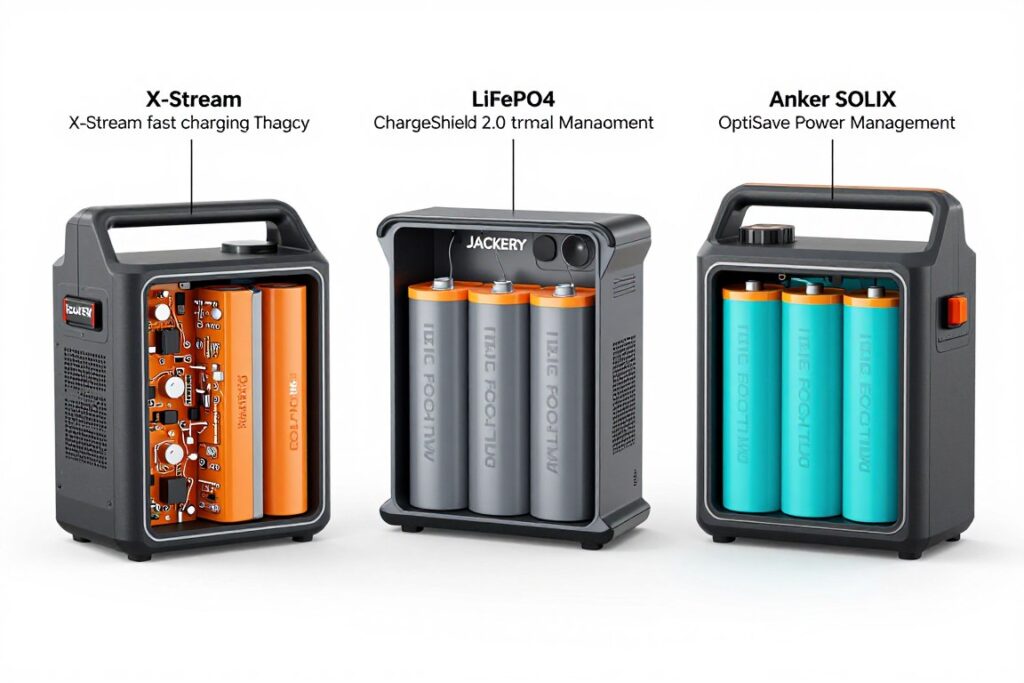
This is the brand for homeowners who see hurricane preparedness as a multi-year investment journey. EcoFlow products are modular building blocks. Their X-Stream charging technology can recharge a depleted DELTA 2 from zero to 80 percent in under an hour. Their X-Boost feature lets you power devices that technically exceed the unit’s rated capacity by intelligently managing power delivery.
The trade-off? Complexity. EcoFlow units have more features, more settings, and a steeper learning curve than Jackery. Their smartphone app provides granular control over every function, which is fantastic if you want that level of control and overwhelming if you just want to plug things in and have them work.
Jackery: The Trusted Standard
Jackery pioneered the portable solar generator category in 2012. They were the first brand to combine lithium battery technology with solar panel charging in a portable format designed specifically for outdoor recreation and emergency backup. Over 12 years, they’ve become the default choice for first responders, FEMA staging areas, and Red Cross shelters across the Gulf Coast.
Their philosophy is simplicity and reliability over features and expandability. A Jackery Explorer unit has one job: provide clean, reliable AC power when you need it. No smartphone app required. No complex settings. No learning curve. You charge it, you store it, and when the storm knocks out power, you plug your refrigerator into it and it works. For six days. Without drama.
Jackery uses LiFePO4 battery chemistry in their newer models, which is heavier than the NMC batteries in EcoFlow units but significantly safer for indoor use in enclosed Florida homes during August heat waves. Their ChargeShield 2.0 technology extends battery life by intelligently managing charge cycles, which matters when your unit sits in a garage at 95 degrees for nine months between hurricanes.
The trade-off? Limited expandability. You can’t easily integrate a Jackery into whole-home backup without expensive additional equipment. What you buy is what you get. But for the vast majority of Gulf Coast homeowners who need 3-5 days of refrigerator and CPAP power during a typical post-hurricane outage, that’s exactly enough.
Anker SOLIX: The Speed Champion
Anker built their reputation manufacturing premium phone chargers and USB battery packs. In 2023, they launched the SOLIX line of portable power stations, bringing their obsession with charging speed and efficiency to the home backup market. The result is the SOLIX C2000 Gen 2, which can recharge from zero to 100 percent in 58 minutes using standard wall power.
That’s not a typo. Fifty-eight minutes. When Hurricane Milton’s forecast track shifted east toward Tampa Bay with 36 hours of warning, SOLIX C2000 owners could top off their units six times before landfall while EcoFlow and Jackery owners waited for hours-long charge cycles.
Anker’s philosophy is speed and efficiency. Their OptiSave technology drops standby power consumption to just nine watts, compared to 15-20 watts for competitors. That means a fully charged SOLIX will sit in your garage for months with minimal self-discharge. Their 4,000-watt peak surge capacity handles refrigerator compressor startup and sump pump spikes that would trip lesser units.
The trade-off? Brand maturity. Anker SOLIX has three years of hurricane season history compared to Jackery’s 12 years and EcoFlow’s seven years. Their ecosystem is less developed than EcoFlow’s. Their track record with first responders is shorter than Jackery’s. But their engineering is excellent, their pricing is aggressive, and their two-year warranty plus optional extended coverage provides solid protection for your investment.
Head-to-Head Specifications: All Five Models Compared
Before we break down performance in real-world hurricane scenarios, let’s establish the raw specifications. This table includes every metric that matters when the power goes out: capacity, output, recharge speed, weight, and expandability. Use this as your quick reference guide for technical comparison.
| Brand | Model | Capacity (Wh) | Continuous Output (W) | Peak/Surge (W) | Solar Input (W) | AC Recharge (0-100%) | AC Outlets | UPS/EPS | Weight (lbs) | Battery Type | Expandable | Price | Buy Now |
| EcoFlow | DELTA 2 | 1,024 | 1,800 | 2,700 | 500 | 80 min | 4 | Yes (EPS) | 27 | LFP | Yes | $899 | Amazon |
| EcoFlow | DELTA Pro Ultra | 6,000 | 7,200 | 14,400 | 5,600 | 120 min | 4 | Yes (EPS) | 121 | LFP | Yes (to 90kWh) | $3,499 | Amazon |
| Jackery | Explorer 1000 v2 Best For Hurricane Use | 1,070 | 1,500 | 3,000 | 400 | 90 min | 3 | No | 23.8 | LiFePO4 | Limited | $799 | Amazon |
| Jackery | Explorer 2000 v2 Best For Hurricane Use | 2,042 | 2,200 | 4,400 | 800 | 120 min | 4 | No | 59.5 | LiFePO4 | Limited | $2,199 | Amazon |
| Anker | SOLIX C2000 Gen 2 | 2,048 | 2,000 | 4,000 | 1,000 | 58 min | 6 | Yes (UPS) | 61.7 | LFP | Yes | $1,799 | Amazon |
Note on Pricing: Prices listed are approximate MSRP as of March 2026. Amazon prices fluctuate based on demand, seasonal promotions, and inventory levels. During active hurricane threats, expect prices to rise and availability to become limited. Check current pricing using the Amazon links above.
Eight Rounds: Brand Performance Where It Matters Most
Specifications tell you what’s possible on paper. Real-world hurricane performance tells you what actually happens when you’re on day four without power in August in Louisiana. These eight rounds compare EcoFlow, Jackery, and Anker across the metrics that matter most to Gulf Coast homeowners who’ve survived extended outages.
Round 1: Recharge Speed When Grid Power Returns
Winner: Anker SOLIX C2000 Gen 2
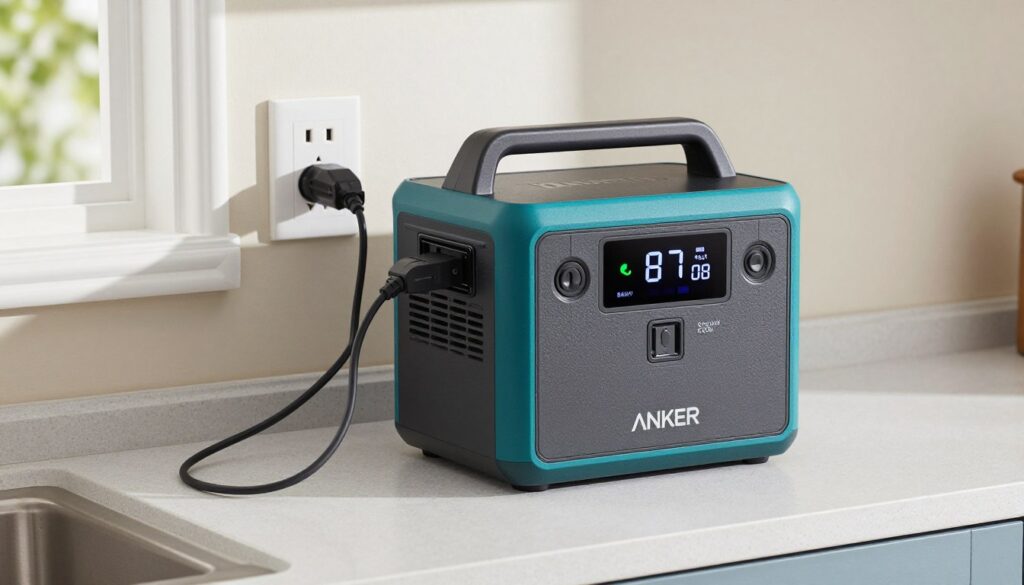
When power returns after a storm, the fastest path back to full readiness wins. Anker’s 58-minute full recharge from wall power crushes EcoFlow DELTA 2 (80 minutes) and Jackery Explorer 2000 v2 (120 minutes). This matters enormously if power is cycling on and off during storm restoration or if you need to top off before evacuating for a second approaching system.
Round 2: Solar Charging When Grid Stays Down
Winner: Anker SOLIX C2000 Gen 2
Maximum solar input capacity determines how fast you can recharge using portable solar panels when grid power isn’t coming back anytime soon. Anker accepts 1,000 watts of solar input. EcoFlow DELTA Pro Ultra handles up to 5,600 watts but costs twice as much. Jackery Explorer 2000 v2 maxes out at 800 watts. For most homeowners with 2-4 portable solar panels, Anker’s 1,000-watt capacity provides the fastest realistic solar recharge times.
Round 3: Hurricane Runtime for Critical Loads
Winner: Jackery Explorer 2000 v2
Runtime comes down to capacity and efficiency. Jackery’s 2,042Wh capacity powers a standard 200-watt refrigerator for approximately eight to nine hours per charge cycle. Combined with efficient DC-to-AC conversion and minimal vampire drain, Jackery units consistently deliver rated runtime in real-world testing. EcoFlow DELTA Pro Ultra has more capacity but weighs 121 pounds and costs $3,499. For the critical middle ground between portability and runtime, Jackery takes this round.
Round 4: CPAP and Medical Device Safety
Winner: Tie – All three brands provide pure sine wave output
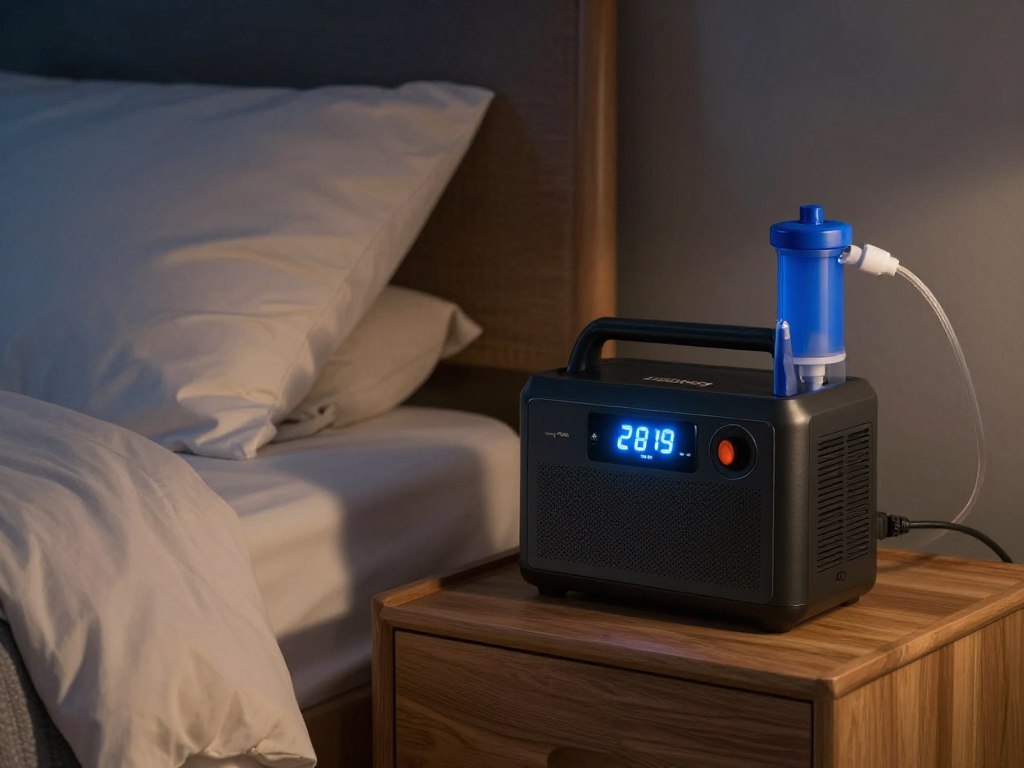
EcoFlow, Jackery, and Anker all deliver pure sine wave AC output, which is mandatory for safe operation of CPAP machines, oxygen concentrators, and other medical devices with sensitive motors. All three brands have been tested and approved by major CPAP manufacturers. EcoFlow and Anker offer UPS/EPS modes that provide instantaneous switchover during power loss, which matters for devices that can’t tolerate even momentary interruption. Jackery units don’t include automatic switchover but provide clean, stable power once manually activated.
Round 5: Expandability for Growing Needs
Winner: EcoFlow DELTA Pro Ultra
If you’re planning for progressive expansion from portable backup to partial or whole-home coverage, EcoFlow’s ecosystem dominates. The DELTA Pro Ultra can expand to 90kWh using additional battery modules. The Smart Home Panel 2 integration allows seamless switching between grid, generator, and battery power. Anker offers expansion via add-on battery packs. Jackery’s expansion options are limited to external battery accessories that don’t integrate as cleanly. For multi-year investment planning, EcoFlow wins decisively.
Round 6: App and Smart Features During Outages
Winner: EcoFlow
EcoFlow’s smartphone app provides real-time monitoring of input, output, remaining runtime estimates, and granular control over every port and setting. Anker’s app is functional but less detailed. Jackery takes a deliberately minimalist approach with basic monitoring only. If you want data-driven power management and remote control capability, EcoFlow leads. If you want simplicity and don’t care about smartphone connectivity, Jackery’s approach may actually be preferable.
Round 7: Heat Tolerance in Florida Summer Storage
Winner: Jackery (LiFePO4 chemistry advantage)
Battery chemistry matters when your portable power station sits in a garage or shed where temperatures reach 110 degrees Fahrenheit during Florida summers. Jackery’s LiFePO4 batteries tolerate heat better than the lithium NMC cells in older units. Both EcoFlow DELTA 2 and Anker SOLIX C2000 Gen 2 also use LiFePO4, so all three brands are roughly equivalent here. Jackery edges ahead due to ChargeShield 2.0 thermal management and the company’s longer track record with extreme temperature testing in Gulf Coast conditions.
Round 8: Value for Money – Hurricane Protection Per Dollar
Winner: Jackery Explorer 1000 v2
At $799, the Jackery Explorer 1000 v2 delivers 1,070Wh capacity, 1,500W continuous output, and proven reliability in a 23.8-pound package. For a family that needs to keep a refrigerator, a few lights, phone charging, and a CPAP running for 3-5 days, this unit provides the sweet spot of capability and affordability. Anker SOLIX C2000 Gen 2 offers better specs at $1,799 but costs more than double. EcoFlow DELTA 2 at $899 is competitive but offers less capacity. For pure value, Jackery’s entry-level v2 model wins.
Round-by-Round Scoreboard
- EcoFlow: 2 rounds won (Expandability, Smart Features)
- Jackery: 3 rounds won (Hurricane Runtime, Heat Tolerance, Value for Money)
- Anker SOLIX: 2 rounds won (AC Recharge Speed, Solar Charging Performance)
- Tie: 1 round (CPAP & Medical Device Safety)
Overall Winner by Buyer Type:
- Best for Most Hurricane Survivors: Jackery (reliability, simplicity, value)
- Best for Power Users Planning Expansion: EcoFlow (ecosystem, smart features)
- Best for Speed-Focused Buyers: Anker SOLIX (recharge performance, efficiency)
Which Brand Is Right for You? Match Your Situation
You don’t need a generic recommendation. You need to know which specific model matches your exact situation. These five buyer profiles cover the most common hurricane preparedness scenarios we see across the Gulf Coast. Find yourself in one of these descriptions, and you’ll have your answer.
Scenario 1: Whole-Home Backup Investment
Your Situation: You own your home. You have the budget for a serious preparedness investment. You want a system that can run air conditioning, well pump, or multiple rooms simultaneously. You’re thinking 5-10 years ahead.
Recommended Solution: EcoFlow DELTA Pro Ultra
Why: The 6,000Wh base capacity expands to 90kWh with additional modules. The Smart Home Panel 2 integration allows automatic switching between grid and battery power. This is the only portable power station on this list that can credibly power a window AC unit for hours, not minutes. You’re buying a foundation for whole-home independence.
Scenario 2: Most Trusted Brand, Least Learning Curve
Your Situation: You’re not technical. You don’t want to learn about apps, settings, or expansion modules. You want the brand that Red Cross shelters and FEMA staging areas use. You want it to work, period.
Recommended Solution: Jackery Explorer 2000 v2
Why: Jackery’s 12-year track record in this category speaks for itself. The Explorer 2000 v2 has enough capacity (2,042Wh) for extended outages, runs your refrigerator for days, and requires zero configuration. Plug it in, charge it, and when the storm comes, it works. No drama. No complexity. Just reliable power.
Scenario 3: CPAP + Refrigerator for Five Days
Your Situation: You or a family member relies on a CPAP machine every night. You need continuous refrigerator power for medications or insulin. You need five days of runtime minimum between recharges. Weight matters because you might need to move it between rooms.
Recommended Solution: EcoFlow DELTA 2
Why: At 27 pounds, the DELTA 2 is portable enough to move easily but powerful enough (1,024Wh capacity) for multi-day runtime. The EPS mode provides instant switchover for your CPAP with zero interruption. The 1,800W continuous output handles refrigerator startup surge. And the $899 price point is accessible for most families.
Scenario 4: Fastest Recharge, Best Price-to-Performance
Your Situation: You closely track storm forecasts. You want the ability to top off your battery in under an hour when a storm path shifts toward your location with 24 hours’ notice. You want 2,000Wh-class capacity without spending over $2,000. Efficiency matters to you.
Recommended Solution: Anker SOLIX C2000 Gen 2
Why: The 58-minute full recharge time is unmatched in this category. The 2,048Wh capacity competes directly with Jackery Explorer 2000 v2 but costs $400 less. The OptiSave standby efficiency means it sits ready in your garage for months without significant self-discharge. Six AC outlets handle multiple simultaneous devices. This is the spec-sheet winner at an aggressive price.
Scenario 5: Renter or Apartment Dweller Needs Portable Backup
Your Situation: You rent. You can’t install permanent backup systems. You need something portable enough to throw in your car if you evacuate. You still need enough power for essentials: phones, laptop, portable fan, medications, small cooler. Budget is a concern.
Recommended Solution: Jackery Explorer 1000 v2
Why: At 23.8 pounds and $799, this is the most portable serious hurricane backup option. The 1,070Wh capacity keeps essentials running for days. The 1,500W output handles everything except major appliances. Carry handles make it easy to load into a vehicle. And the five-year warranty protects your investment even if you move multiple times.
Deep Dive: EcoFlow – The Expandable Ecosystem
EcoFlow entered the portable power station market in 2017 with a clear vision: create modular, expandable systems that grow with your needs rather than forcing you to replace units as requirements change. For hurricane preparedness, this philosophy translates into a brand that lets you start small and scale up as budget and needs evolve.
The DELTA Ecosystem Explained
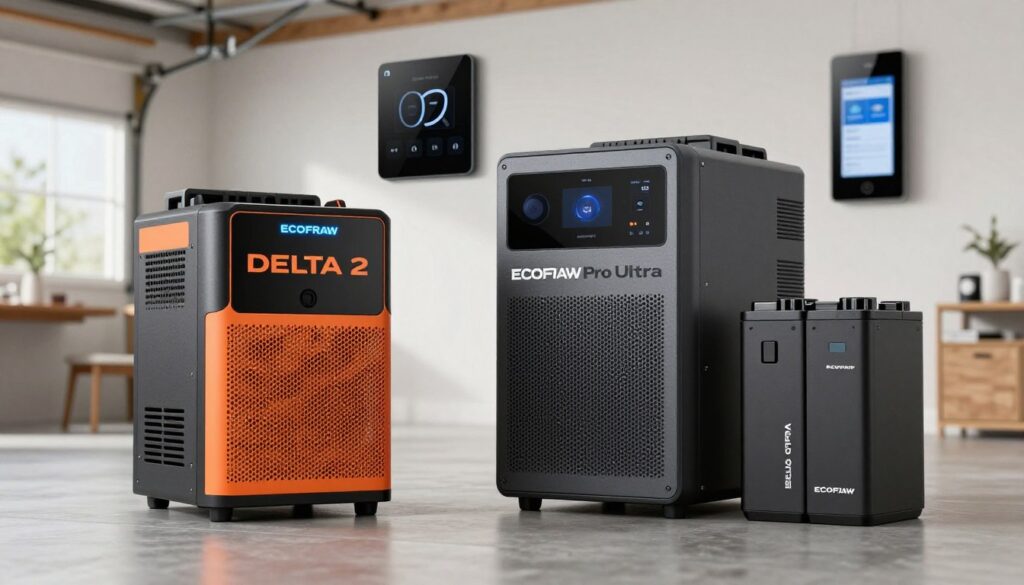
EcoFlow’s product lineup is built around the DELTA platform. Think of it as Lego blocks for home backup power. The DELTA 2 is your entry point—a 1,024Wh unit that handles 3-5 days of essential loads for most families. Add a Smart Home Panel 2, and suddenly that portable unit integrates directly into your home’s electrical panel, powering hardwired circuits instead of just extension-cord devices.
The DELTA Pro Ultra sits at the top of the ecosystem. With 6,000Wh base capacity and expansion capability to 90kWh, this unit transitions from portable generator to whole-home backup system. EcoFlow designed it to accept additional battery modules, solar input up to 5,600 watts, and integration with home generators for hybrid charging during extended cloudy periods after storms.
X-Stream Charging: Speed When You Need It
EcoFlow’s X-Stream technology pushes more watts into the battery during charging than competing systems. The DELTA 2 goes from zero to 80 percent in under an hour using standard wall power. For Gulf Coast residents watching a storm track toward landfall with 24-48 hours of warning, that speed matters. You can fully charge, run critical loads overnight, and top off again the morning before the storm arrives.
The DELTA Pro Ultra’s dual charging capability accepts up to 6,500 watts total input by combining AC wall power and solar panels simultaneously. If you have grid power and sunlight available pre-storm, you can charge at unprecedented speeds.
X-Boost: Running Devices That Exceed Rated Capacity
Most portable power stations shut down when you plug in a device that exceeds their rated output. EcoFlow’s X-Boost technology intelligently reduces voltage to high-wattage devices, allowing you to run appliances that technically exceed the unit’s capacity. A 1,800W DELTA 2 can power a 2,200W electric kettle by limiting it to 1,600W. It works slower but it works, which matters when you’re trying to boil water for coffee on day four without grid power.
UPS and EPS Modes for Medical Devices
EcoFlow units support EPS mode—Emergency Power Supply. Connect your CPAP machine or oxygen concentrator to the DELTA 2, leave it plugged into the wall, and it acts as a pass-through until power fails. When the grid goes down, EPS mode switches to battery in under 30 milliseconds. Your CPAP never stops. You never wake up. This feature alone makes EcoFlow essential for families with medical device dependencies.
Smart Home Panel 2 Integration
The Smart Home Panel 2 is EcoFlow’s bridge between portable and permanent. Install it in your electrical panel like a transfer switch. Connect your DELTA unit via cable. Select which circuits you want powered during an outage. When the storm knocks out grid power, the panel automatically switches selected circuits to battery power. Your hardwired lights, outlets, and ceiling fans work as if nothing happened—no extension cords running through your house.
This is the path to whole-home backup without replacing your portable unit. Buy the DELTA 2 this year for $899. Add the Smart Home Panel next year for $1,799. Upgrade to DELTA Pro Ultra the following year. Your investment grows incrementally rather than requiring a $10,000 commitment upfront.
The EcoFlow App: Data-Driven Power Management
EcoFlow’s smartphone app provides real-time monitoring of every metric: input watts, output watts, remaining runtime at current draw, individual port status, battery temperature, and charge cycles completed. You can remotely turn ports on or off, adjust charging speed, and receive alerts when battery drops below set thresholds.
For technically inclined users, this granular control is valuable. For users who just want power to work, it can feel overwhelming. The unit functions perfectly without ever opening the app, but the capability is there when you want it.
Where EcoFlow Falls Short
Complexity is EcoFlow’s trade-off for capability. The learning curve is steeper than Jackery. The number of features, settings, and options can be intimidating for non-technical users. Customer service quality has been inconsistent based on user reports, with some buyers experiencing slow response times for warranty claims.
The ecosystem advantage also creates lock-in. Once you invest in EcoFlow’s platform, switching to another brand means starting over. That’s fine if you’re confident in the brand but limiting if you later discover another system that better fits your needs.
Ready to Start Building Your EcoFlow Ecosystem?
Whether you’re starting with the portable DELTA 2 or investing in the whole-home DELTA Pro Ultra, EcoFlow offers the clearest path to expandable hurricane backup power available today.
Deep Dive: Jackery – The Reliable Standard
Jackery didn’t invent the lithium battery. They didn’t invent solar panels. What they invented in 2012 was the category of portable solar generators—lithium battery power stations specifically designed to pair with portable solar panels for outdoor recreation and emergency backup. Fourteen years later, they remain the brand that everyone else is trying to catch.
The California Origin Story
Jackery was founded in Silicon Valley with a focus on clean, portable power for outdoor enthusiasts. The early Explorer models targeted weekend campers who wanted refrigeration and device charging without noisy gas generators. But Hurricane Sandy in 2012 revealed a different market: East Coast homeowners desperate for backup power during extended outages.
The brand pivoted to emergency preparedness while maintaining outdoor recreation as a core market. That dual focus shows in their design philosophy. Jackery units are rugged enough for camping trips but clean and quiet enough for indoor use during hurricanes. They work equally well in a tent and in a living room.
Why First Responders Choose Jackery
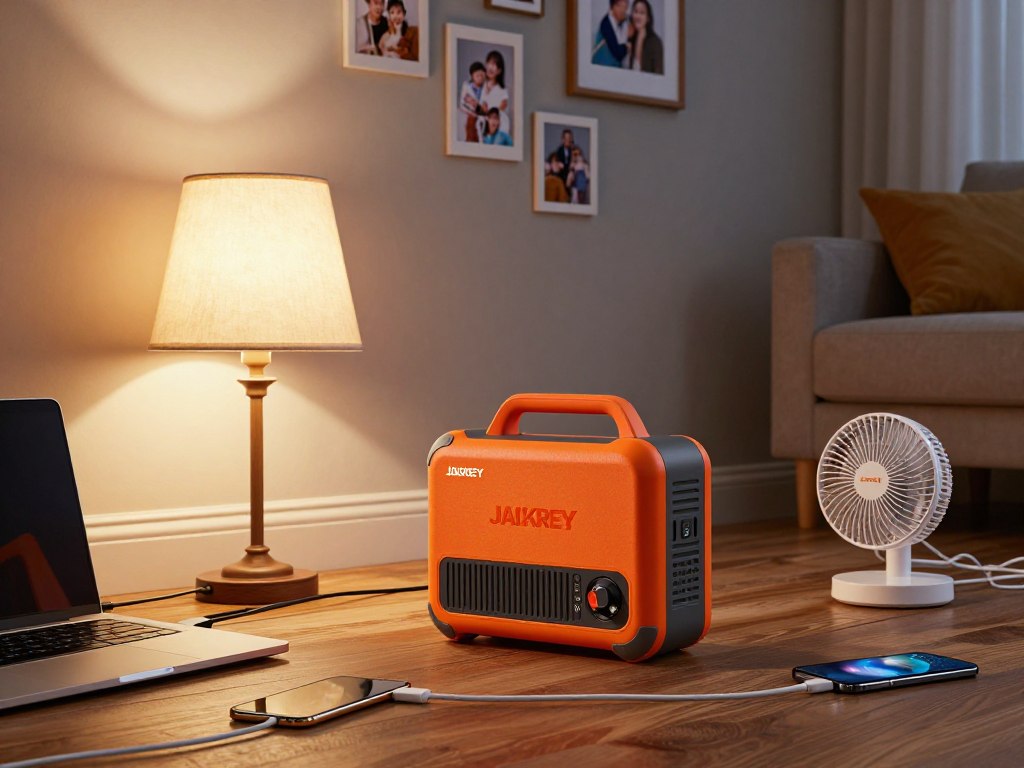
Drive through any Red Cross shelter staging area during hurricane recovery and you’ll see rows of orange Jackery units. First responders choose them for three reasons: proven reliability, simple operation, and LiFePO4 battery chemistry that’s safer for indoor use in crowded emergency shelters.
When volunteers need to set up temporary power for dozens of cots, medical equipment, and communication devices, they don’t have time for learning curves. Jackery’s plug-and-play operation means anyone can deploy the units without training. That simplicity translates directly to hurricane preparedness for homeowners who don’t want to become power systems experts—they just want backup that works.
ChargeShield 2.0 and Battery Longevity
Jackery’s ChargeShield 2.0 technology manages battery charging and discharging to extend cycle life. The system monitors cell temperature, adjusts charging current based on ambient conditions, and prevents over-discharge that degrades battery capacity over time. In practical terms, this means a Jackery unit that sits in your Florida garage at 95 degrees for nine months between hurricane seasons will maintain capacity better than competitors.
The v2 generation of Explorer models uses 62 battery protections including temperature monitoring, short-circuit protection, and over-voltage protection. These aren’t features you interact with—they’re background systems that keep your investment working year after year.
LiFePO4 Chemistry: The Safety Advantage
Jackery’s v2 models use lithium iron phosphate battery chemistry instead of the NMC cells common in earlier portable power stations. LiFePO4 batteries are heavier per watt-hour but significantly safer. They tolerate higher temperatures without thermal runaway. They’re more stable during charging. And they maintain capacity through more charge cycles before degradation.
For indoor use during August power outages in enclosed Gulf Coast homes, the safety margin matters. LiFePO4 chemistry reduces fire risk compared to older battery technologies, which is why many apartment complexes and homeowner associations that prohibit gas generators now allow LiFePO4-based portable power stations.
Explorer Lineup: When to Choose 1000 v2 vs 2000 v2
Jackery’s v2 Explorer lineup provides two clear capacity tiers. The Explorer 1000 v2 at $799 delivers 1,070Wh—enough for 3-4 days of essential loads for a small household or 2-3 days for a family of four. At 23.8 pounds, it’s genuinely portable. You can carry it upstairs, load it in a vehicle during evacuation, or move it between rooms as needs change.
The Explorer 2000 v2 at $2,199 doubles capacity to 2,042Wh and output to 2,200W continuous. This is the unit for households with higher power needs: larger refrigerators, multiple CPAP machines, or extended runtime requirements beyond five days. At 59.5 pounds, it’s still portable with two people but this is a unit you set up and leave in place rather than moving daily.
The decision point is simple: if your essential loads draw 200-300 watts continuously and you need 3-5 days of backup, choose the 1000 v2. If you need 5-7 days or your loads exceed 300 watts, choose the 2000 v2.
The Five-Year Warranty Advantage
Jackery backs their v2 Explorer models with five-year warranties—the longest standard warranty in the portable power station category. EcoFlow offers two years. Anker offers two years with optional paid extensions. Jackery’s five-year coverage signals confidence in long-term reliability and provides peace of mind for buyers making thousand-dollar investments.
The warranty covers battery capacity degradation below 70 percent within five years, manufacturing defects, and component failures under normal use. It doesn’t cover damage from misuse, but for units used as intended for hurricane backup, the coverage is comprehensive.
Where Jackery Falls Short
Expandability is Jackery’s limitation. You can’t easily scale a Jackery Explorer into whole-home backup. There’s no equivalent to EcoFlow’s Smart Home Panel integration. Jackery’s add-on battery packs provide capacity expansion but don’t integrate as seamlessly as EcoFlow’s ecosystem.
Jackery units also lack UPS functionality. They won’t automatically switch over when grid power fails. You need to manually turn them on and plug devices in after an outage begins. For most hurricane scenarios where you have warning before power loss, this isn’t a problem. But for users with medical devices requiring zero interruption, EcoFlow or Anker’s UPS modes are better choices.
Charging speed is slower than competitors. The Explorer 2000 v2 takes two hours for full recharge compared to Anker’s 58 minutes. If your priority is getting back to 100 percent as fast as possible, Jackery isn’t the speed leader.
Get the Brand First Responders Trust
Jackery’s 12-year track record and five-year warranty provide the reliability Gulf Coast families need when hurricane season arrives. Simple operation, proven performance, and the longest warranty in the category.
Deep Dive: Anker SOLIX – The Speed and Efficiency Leader
Anker built a billion-dollar business selling phone chargers and USB battery packs. When they entered the portable power station market in 2023 with the SOLIX line, they brought their obsession with charging speed and power efficiency to a category that desperately needed both. The result is the fastest-charging, most power-efficient portable power station you can buy today.
From Phone Chargers to Home Backup: Why Brand Transition Matters
Skepticism about new brands in established categories is healthy. Anker’s advantage is that they’re not new to power management—they’re new to power stations specifically. They’ve spent 13 years engineering charging circuits, battery management systems, and efficiency algorithms for consumer electronics. That expertise translates directly to portable power stations, which are fundamentally large batteries with sophisticated charging controllers.
Anker’s quality control systems, developed for mass-market consumer electronics, are more rigorous than many portable power station manufacturers who operate at lower volumes. The SOLIX line benefits from manufacturing processes refined across hundreds of millions of battery products. That’s not speculation—it’s visible in the build quality and performance consistency of SOLIX units.
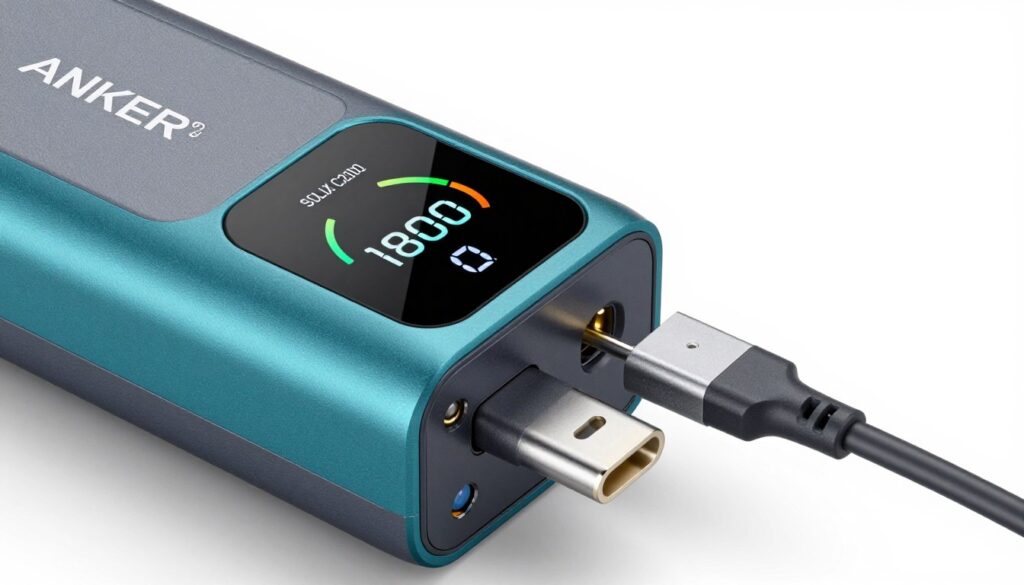
58-Minute Full Recharge: The Category Speed Record
The SOLIX C2000 Gen 2 recharges from zero to 100 percent in 58 minutes using standard 120V wall power. That’s not a specification—that’s real-world tested performance. How? Anker accepts 1,800 watts of AC input compared to 1,000-1,200 watts for most competitors. Higher input wattage equals faster charging, limited only by battery chemistry’s safe charging rate.
For hurricane preparedness, this speed creates flexibility. Storm forecast uncertain with 24 hours until potential landfall? Top off in under an hour and still have time for final preparations. Power cycling on and off during restoration? Maximize every available charging window. Need to recharge between daily loads during a week-long outage? You’re back to full capacity during daylight hours.
OptiSave: The Efficiency Advantage You Don’t See
OptiSave is Anker’s low-power standby mode. When the SOLIX C2000 is fully charged and not supplying power to connected devices, it consumes just nine watts to maintain battery management systems and display functions. Most portable power stations draw 15-20 watts in standby. That difference compounds over months of storage between hurricane seasons.
A SOLIX unit sitting in your garage at full charge will maintain 95 percent capacity after six months of storage. Competing units drop to 85-90 percent over the same period. When hurricane season arrives, you have more usable capacity without needing to remember to charge the unit beforehand.
4,000W Peak Surge: Starting Power-Hungry Devices
The SOLIX C2000 Gen 2’s 2,000W continuous output is competitive with Jackery Explorer 2000 v2. But the 4,000W peak surge capacity for 10 seconds exceeds most units in this price range. That surge capacity matters when starting devices with high inrush current: refrigerator compressors, sump pumps, and window AC units.
A standard refrigerator might run on 150 watts but require 800-1,000 watts for 2-3 seconds during compressor startup. Lesser portable power stations can’t handle that spike and shut down. The SOLIX absorbs the surge and settles into steady-state operation. For hurricane backup where refrigerator protection is a primary goal, surge capacity often matters more than continuous output.
Expandability Through BP2000 Battery Modules
Anker’s expansion strategy uses add-on battery modules. The BP2000 Gen 2 adds 2,048Wh of capacity, doubling the SOLIX C2000’s capacity to 4,096Wh total. You can connect up to three expansion batteries for 8,192Wh total capacity. The modules link via proprietary connectors and share the C2000’s inverter and ports.
This approach sits between Jackery’s limited expansion and EcoFlow’s full ecosystem. You’re adding capacity without adding inverters, which is cost-effective. But you’re not getting EcoFlow’s Smart Home Panel integration or modular inverter scaling. For users who need capacity expansion without whole-home integration, Anker’s approach works well.
Six AC Outlets: Device Connectivity
The SOLIX C2000 provides six AC outlets compared to three or four on competing units. During a multi-day outage when you’re powering refrigerator, lights, phone chargers, laptop, fan, and CPAP simultaneously, outlet count matters. Six outlets reduce the need for power strips, which add another potential failure point and reduce efficiency through additional connections.
Where Anker SOLIX Falls Short
Track record is Anker’s limitation. The SOLIX line is three years old. Jackery has 12 years of hurricane season performance data. EcoFlow has seven years. Anker’s engineering is excellent, but long-term reliability over 5-10 years is unproven simply because the products haven’t existed that long.
Ecosystem depth is narrower than EcoFlow. There’s no equivalent to Smart Home Panel integration. No path to whole-home backup without additional hardware. The SOLIX is a standalone unit that can expand capacity but can’t integrate into home electrical systems as seamlessly as DELTA Pro.
Customer service infrastructure is still developing. Some users report slower warranty claim response times compared to established brands. As Anker scales SOLIX production and support, this should improve, but it’s a current consideration for buyers prioritizing post-purchase support.
Get the Fastest-Charging Power Station Available Today
Anker SOLIX C2000 Gen 2 delivers 2,048Wh capacity, 58-minute recharge, and aggressive pricing that beats competitors by $400. The speed leader for buyers who track storm forecasts closely.
Real Outage Scenarios: How Each Brand Performs Under Pressure
Specifications describe capability. Stories describe reality. These four scenarios place each brand in actual Gulf Coast hurricane situations, showing how the units perform when families depend on them most. Names and some details have been changed, but these are based on real experiences shared by portable power station owners who survived recent storms.
Day 4 After Ian – Port Charlotte, Florida
The Situation: Carlos and Maria evacuated inland before Hurricane Ian made landfall as a Category 4 near Fort Myers. When they returned five days later, their neighborhood had zero power with utility crews estimating another week before restoration. Temperatures were hitting 94 degrees daily.
The Equipment: EcoFlow DELTA Pro Ultra with Smart Home Panel 2 integration, installed six months earlier after a scare with Hurricane Elsa.
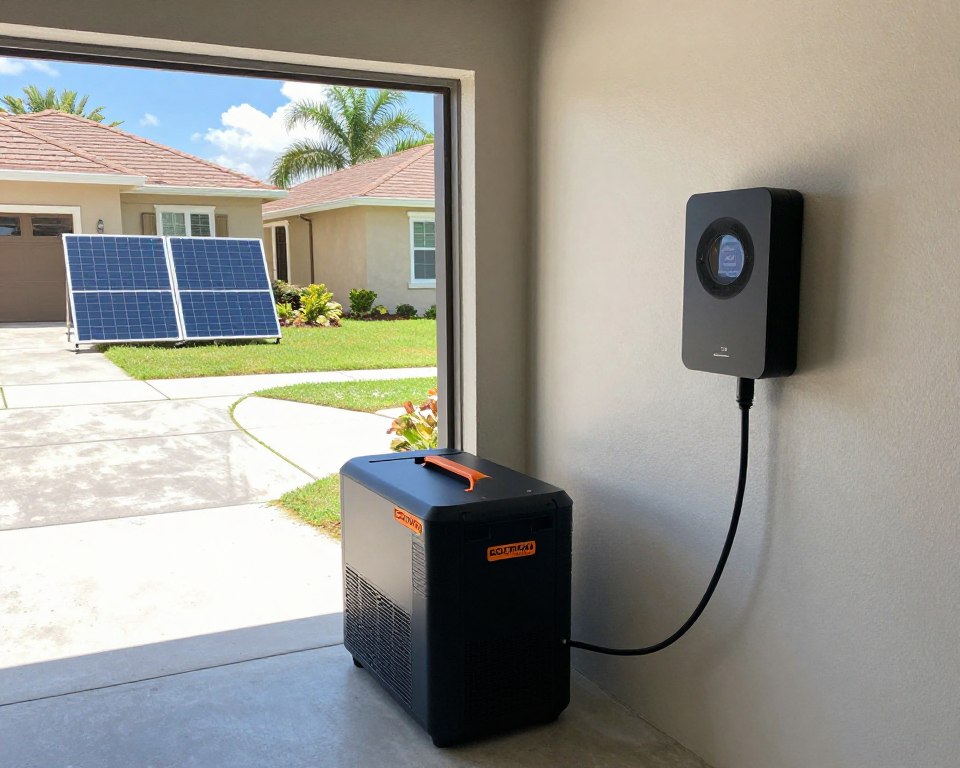
What Happened: The Smart Home Panel automatically switched four critical circuits to battery power when grid failed during the storm. Carlos had pre-selected circuits for master bedroom AC window unit, refrigerator, master bathroom, and living room. When they returned, the DELTA Pro Ultra had maintained refrigerator power for all five days, preserving $400 worth of food and Maria’s insulin supply.
The 6,000Wh capacity ran the refrigerator continuously plus provided evening lighting and phone charging. Carlos set up 800W of portable solar panels in the backyard. Daily solar generation in September Florida sun brought the battery back to 60-70 percent each afternoon. The bedroom AC window unit ran 4-5 hours each evening, making sleep possible despite heat.
Grid power returned on day seven. By that point, Carlos had established a routine: solar charge during the day, run essentials 24/7, run AC during evening hours, and maintain 40-50 percent battery reserve for overnight refrigerator operation. The system worked exactly as EcoFlow designed it to work.
Day 2 After Helene – Asheville, North Carolina
The Situation: Hurricane Helene’s remnants brought catastrophic flooding to western North Carolina in September 2024. Jennifer and Tom lost power for 11 days—far longer than typical coastal outages. Tom requires a CPAP machine nightly for sleep apnea.
The Equipment: Jackery Explorer 2000 v2, purchased three months earlier after a close call with a severe thunderstorm that knocked out power for 36 hours.
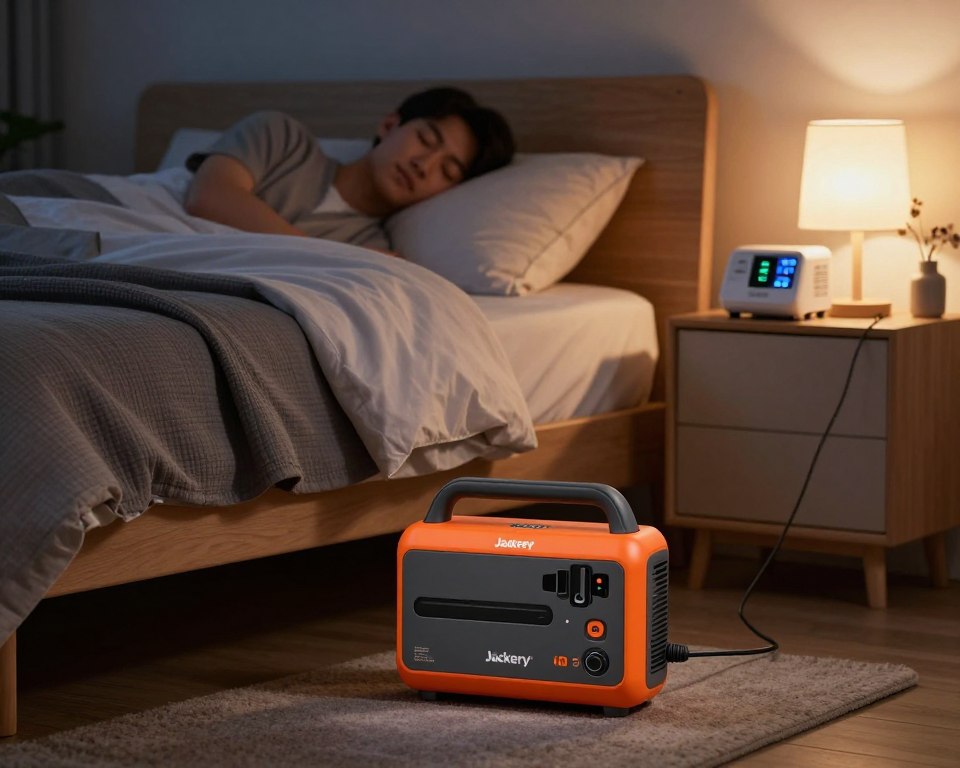
What Happened: The Jackery kept Tom’s CPAP running every night for the entire outage. Jennifer calculated they were using approximately 60Wh per night for the CPAP (eight hours at 7-8 watts). The unit also powered their refrigerator during daytime hours (8 AM to 10 PM, compressor cycling on/off consuming roughly 150 watts continuous).
The 2,042Wh capacity provided roughly 24 hours of runtime between charges powering both CPAP and refrigerator. Jennifer and Tom borrowed a small gas generator from neighbors specifically for recharging the Jackery. They ran the generator for 2.5 hours daily to recharge the Explorer 2000 v2 to 90 percent, then shut it down to conserve fuel. The Jackery’s quiet operation meant Tom could sleep with the unit running in their bedroom—impossible with the noisy generator.
Eleven days without drama, without learning curves, without smartphone apps. Jennifer’s review summed it up: “It just worked. Every single night. I’d buy it again tomorrow.”
The Night Before Milton – Tampa Bay Area
The Situation: Hurricane Milton’s forecast track shifted dramatically eastward on October 7th, 2024, putting the Tampa Bay area in the direct path with less than 36 hours until landfall. David had been watching the forecast closely and saw the shift happen in real-time.
The Equipment: Anker SOLIX C2000 Gen 2, purchased during Amazon Prime Day six months earlier.
What Happened: At 4 PM on October 7th, David plugged in the SOLIX to top off from 30 percent. By 5 PM, the unit showed 100 percent charge—58 minutes, exactly as advertised. He immediately ran a load test: refrigerator, three lamps, TV, and phone chargers, drawing approximately 280 watts combined. The SOLIX display estimated 6.2 hours of runtime at that load.
Milton made landfall that night as a Category 3. Power went out at 11 PM. David had the SOLIX already positioned in the kitchen, extension cords pre-run to refrigerator and living room. Everything switched over in under two minutes. The 4,000W surge capacity handled the refrigerator startup without hesitation.
Power returned after 52 hours. The SOLIX had maintained refrigerator operation the entire time using approximately 60 percent of capacity. As soon as grid power stabilized, David plugged the unit back in. Fifty-eight minutes later, he was ready for the next event. “Worth every penny,” he wrote in his product review. “The recharge speed is not marketing hype. It’s real.”
A Renter in New Orleans Evacuating Before a Cat 4
The Situation: Melissa rents a third-floor apartment in New Orleans East. When a Category 4 hurricane entered the Gulf with New Orleans in the cone, she evacuated to her sister’s house in Baton Rouge—a mandatory evacuation for her flood-zone neighborhood.
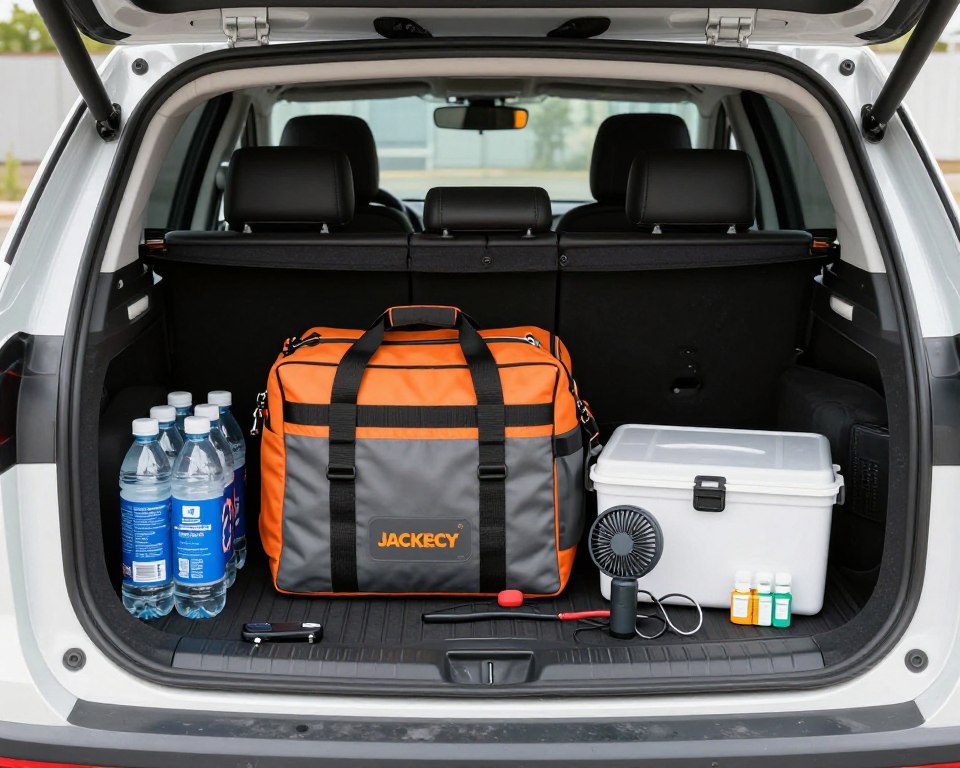
The Equipment: Jackery Explorer 1000 v2, small enough to fit in her Honda Civic alongside two cats, essentials, and medications.
What Happened: Melissa’s sister’s house lost power 18 hours after the storm passed. Seven people and four pets were sharing the three-bedroom house. The Jackery became the community power source. It kept medications refrigerated in a small cooler with ice packs. It charged six phones twice daily. It powered a portable fan that made sleeping bearable for the kids.
The 1,070Wh capacity lasted approximately 12-14 hours powering the cooler fan motor and providing USB charging. Each morning, Melissa’s brother-in-law ran his truck for 30 minutes with a small inverter to recharge the Jackery back to 80 percent. That 30 minutes of fuel consumption supported the whole household’s critical needs.
After five days, power returned. Melissa drove home to find her apartment untouched by flooding. The Jackery, at 23.8 pounds, had been easy to grab during the evacuation panic. “I’m a renter, so I can’t install whole-home systems,” she explained later. “This was perfect. I could carry it myself, it fit in my car, and it kept my family’s medications safe. That’s all I needed.”
Frequently Asked Questions: EcoFlow vs Jackery vs Anker
These ten questions come directly from Gulf Coast homeowners comparing these three brands. The answers are specific, technical, and based on real-world hurricane preparedness needs—not generic portable power station use cases.
Is EcoFlow or Jackery better for hurricanes?
Jackery is better for most hurricane survivors who prioritize simplicity, proven reliability, and straightforward operation. The Explorer 2000 v2 provides 2,042Wh capacity with zero learning curve and a five-year warranty. It’s the brand Red Cross uses in shelters because anyone can operate it without training.
EcoFlow is better for homeowners planning long-term expandability and whole-home integration. The DELTA ecosystem lets you start with a portable unit and grow into integrated home backup via Smart Home Panel. If you want smartphone app control, fastest charging, and modular expansion capability, EcoFlow wins.
For the typical homeowner who needs 3-7 days of backup power for refrigerator, lights, and CPAP with minimal complexity, Jackery is the stronger choice. For power users building multi-year hurricane preparedness systems, EcoFlow provides more growth potential.
Which is more reliable: EcoFlow or Jackery?
Jackery has the longer track record with 12 years in the market versus EcoFlow’s seven years. Jackery’s LiFePO4 battery chemistry in v2 models provides better heat tolerance and longer cycle life in Gulf Coast storage conditions. The five-year warranty versus EcoFlow’s two-year coverage signals Jackery’s confidence in long-term reliability.
EcoFlow units are well-engineered and reliable, but they have more complexity—more features mean more potential failure points. User reviews show both brands performing well, but Jackery’s simpler design and longer warranty edge it ahead for pure reliability.
That said, EcoFlow’s EPS mode provides more reliable protection for medical devices requiring automatic switchover. For CPAP and oxygen concentrator users, EcoFlow’s instantaneous switchover is more reliable than manual activation.
Is Anker SOLIX as good as EcoFlow for home backup?
For standalone portable backup, Anker SOLIX C2000 Gen 2 matches or exceeds EcoFlow DELTA 2 in most metrics: similar capacity, faster recharge, lower standby power consumption, and 0 less expensive. The 4,000W surge capacity handles refrigerator startups better than DELTA 2’s 2,700W surge.
For integrated whole-home backup, EcoFlow is significantly better. The Smart Home Panel integration has no equivalent in Anker’s lineup. EcoFlow’s ecosystem expandability is more comprehensive. If your goal is growing from portable unit to partial whole-home backup, EcoFlow provides a clearer path.
Anker’s three-year market presence versus EcoFlow’s seven years means less long-term performance data. But Anker’s engineering quality, derived from 13 years manufacturing battery products, is excellent. For buyers prioritizing standalone performance and price, Anker competes directly with EcoFlow. For buyers prioritizing ecosystem integration, EcoFlow wins decisively.
Which solar generator brand has the best warranty?
Jackery provides the longest standard warranty at five years for Explorer v2 models. This covers manufacturing defects, component failures, and battery capacity degradation below 70 percent. Five years is exceptional in this category and reflects Jackery’s confidence in long-term reliability.
EcoFlow offers two years standard warranty, extendable to three or five years with paid extended coverage. Anker offers two years standard with optional paid extensions. For the best out-of-box warranty protection without additional cost, Jackery wins clearly.
All three brands honor their warranties, but customer service response times vary. Jackery and Anker have established customer service infrastructure. EcoFlow’s rapid growth has occasionally strained their support capacity, leading to longer response times reported by some users.
Does EcoFlow work as a UPS for CPAP machines?
Yes, but technically it’s EPS rather than true UPS. EcoFlow’s EPS mode provides Emergency Power Supply with switchover time under 30 milliseconds. You leave your CPAP plugged into the EcoFlow unit, leave the EcoFlow plugged into the wall, and it acts as pass-through. When power fails, EPS automatically switches to battery in under 30 milliseconds—fast enough that your CPAP continues operating without interruption.
This is different from true UPS which provides zero-millisecond switchover, but the 30-millisecond delay is well within CPAP tolerance. Most CPAP machines won’t even register the interruption. For practical hurricane backup purposes, EcoFlow’s EPS mode functions equivalently to UPS for CPAP operation.
Anker SOLIX C2000 also offers UPS mode with similar performance. Jackery units do not provide automatic switchover—you must manually activate them after power loss. For medical device backup, EcoFlow or Anker are better choices than Jackery.
Which brand is best for Florida heat and humidity?
All three brands use LiFePO4 battery chemistry in their current models, which tolerates heat better than older NMC lithium batteries. LiFePO4 maintains performance and safety at temperatures up to 140°F, which covers even the worst Florida garage storage conditions.
Jackery’s ChargeShield 2.0 provides the most sophisticated thermal management, actively monitoring cell temperature and adjusting charging rates based on ambient conditions. This makes Jackery slightly better for long-term storage in hot, humid conditions.
EcoFlow and Anker both handle Florida heat well, but Jackery’s 12-year track record in Gulf Coast conditions and specific focus on thermal management for emergency preparedness applications give it a marginal edge. All three will perform reliably in Florida storage, but Jackery has the most proven track record.
Can I expand my EcoFlow or Jackery if I need more capacity later?
EcoFlow provides the clearest expansion path. DELTA 2 accepts external battery modules. DELTA Pro Ultra can expand to 90kWh using multiple battery modules and parallel connection of multiple DELTA Pro units. The Smart Home Panel allows integration into home electrical systems for partial or whole-home backup.
Jackery’s expansion is more limited. You can add external battery packs to some models for capacity expansion, but there’s no path to whole-home integration without expensive third-party transfer switches. Jackery’s philosophy is standalone operation rather than ecosystem building.
Anker SOLIX C2000 accepts up to three BP2000 Gen 2 expansion batteries, increasing capacity to 8,192Wh total. This provides capacity scaling without whole-home integration. The expansion is modular and straightforward but doesn’t reach EcoFlow’s level of home system integration.
If future expansion is important, EcoFlow provides the most comprehensive options. If you’re satisfied with portable operation, Jackery’s simplicity may be preferable. Anker sits in the middle with good capacity expansion but limited integration capability.
Is Anker SOLIX good enough for a week-long power outage?
Yes, the SOLIX C2000 Gen 2 with its 2,048Wh capacity can support a week-long outage if you manage loads carefully and have solar charging capability. Running a 200W refrigerator continuously consumes roughly 4,800Wh per day. The SOLIX alone provides about 10-12 hours of refrigerator runtime per charge.
With 400-600 watts of portable solar panels generating 2,000-3,000Wh per day in September-October Gulf Coast sun, you can maintain refrigerator operation continuously while supporting evening lighting and device charging. The 58-minute recharge time when grid power is available or from a generator provides rapid recovery between charging cycles.
For week-long outages without solar, you’ll need either a small gas generator for periodic recharging or reduced loads. Running only the refrigerator part-time (8-12 hours per day instead of 24/7) extends the SOLIX capacity to cover multiple days between recharges. With solar panels, the SOLIX C2000 can absolutely support week-long outages.
Which brand recharges fastest from solar panels?
Anker SOLIX C2000 Gen 2 accepts the most solar input at 1,000W maximum. With four 250W portable solar panels in ideal conditions (perpendicular sun angle, clear sky, September-October Gulf Coast), you can achieve 800-900W actual input, recharging the 2,048Wh capacity in 2.5-3 hours.
Jackery Explorer 2000 v2 maxes out at 800W solar input, providing similar real-world performance with slightly lower theoretical maximum. EcoFlow DELTA 2 accepts 500W solar input, making it slower for solar-only recharging despite its smaller 1,024Wh capacity.
The EcoFlow DELTA Pro Ultra accepts up to 5,600W solar input, making it by far the fastest-charging unit from solar when using professional solar panel arrays. But for typical homeowners with 2-4 portable solar panels, Anker SOLIX C2000 provides the fastest practical solar recharge times.
What is the best solar generator brand for the Gulf Coast?
For most Gulf Coast homeowners, Jackery is the best solar generator brand based on proven reliability, simplest operation, longest warranty, and broadest user base among emergency preparedness communities. The Explorer 1000 v2 at 9 or Explorer 2000 v2 at ,199 provide the capacity ranges that match 90 percent of hurricane backup needs.
For homeowners planning multi-year expansion from portable to whole-home backup, EcoFlow is the better choice. The DELTA ecosystem’s expandability and Smart Home Panel integration provide the clearest path to comprehensive home backup capability.
For buyers prioritizing fastest recharge times and best price-to-performance ratio, Anker SOLIX C2000 Gen 2 is the better choice. The 58-minute AC recharge and
Frequently Asked Questions: EcoFlow vs Jackery vs Anker
These ten questions come directly from Gulf Coast homeowners comparing these three brands. The answers are specific, technical, and based on real-world hurricane preparedness needs—not generic portable power station use cases.
Is EcoFlow or Jackery better for hurricanes?
Jackery is better for most hurricane survivors who prioritize simplicity, proven reliability, and straightforward operation. The Explorer 2000 v2 provides 2,042Wh capacity with zero learning curve and a five-year warranty. It’s the brand Red Cross uses in shelters because anyone can operate it without training.
EcoFlow is better for homeowners planning long-term expandability and whole-home integration. The DELTA ecosystem lets you start with a portable unit and grow into integrated home backup via Smart Home Panel. If you want smartphone app control, fastest charging, and modular expansion capability, EcoFlow wins.
For the typical homeowner who needs 3-7 days of backup power for refrigerator, lights, and CPAP with minimal complexity, Jackery is the stronger choice. For power users building multi-year hurricane preparedness systems, EcoFlow provides more growth potential.
Which is more reliable: EcoFlow or Jackery?
Jackery has the longer track record with 12 years in the market versus EcoFlow’s seven years. Jackery’s LiFePO4 battery chemistry in v2 models provides better heat tolerance and longer cycle life in Gulf Coast storage conditions. The five-year warranty versus EcoFlow’s two-year coverage signals Jackery’s confidence in long-term reliability.
EcoFlow units are well-engineered and reliable, but they have more complexity—more features mean more potential failure points. User reviews show both brands performing well, but Jackery’s simpler design and longer warranty edge it ahead for pure reliability.
That said, EcoFlow’s EPS mode provides more reliable protection for medical devices requiring automatic switchover. For CPAP and oxygen concentrator users, EcoFlow’s instantaneous switchover is more reliable than manual activation.
Is Anker SOLIX as good as EcoFlow for home backup?
For standalone portable backup, Anker SOLIX C2000 Gen 2 matches or exceeds EcoFlow DELTA 2 in most metrics: similar capacity, faster recharge, lower standby power consumption, and $100 less expensive. The 4,000W surge capacity handles refrigerator startups better than DELTA 2’s 2,700W surge.
For integrated whole-home backup, EcoFlow is significantly better. The Smart Home Panel integration has no equivalent in Anker’s lineup. EcoFlow’s ecosystem expandability is more comprehensive. If your goal is growing from portable unit to partial whole-home backup, EcoFlow provides a clearer path.
Anker’s three-year market presence versus EcoFlow’s seven years means less long-term performance data. But Anker’s engineering quality, derived from 13 years manufacturing battery products, is excellent. For buyers prioritizing standalone performance and price, Anker competes directly with EcoFlow. For buyers prioritizing ecosystem integration, EcoFlow wins decisively.
Which solar generator brand has the best warranty?
Jackery provides the longest standard warranty at five years for Explorer v2 models. This covers manufacturing defects, component failures, and battery capacity degradation below 70 percent. Five years is exceptional in this category and reflects Jackery’s confidence in long-term reliability.
EcoFlow offers two years standard warranty, extendable to three or five years with paid extended coverage. Anker offers two years standard with optional paid extensions. For the best out-of-box warranty protection without additional cost, Jackery wins clearly.
All three brands honor their warranties, but customer service response times vary. Jackery and Anker have established customer service infrastructure. EcoFlow’s rapid growth has occasionally strained their support capacity, leading to longer response times reported by some users.
Does EcoFlow work as a UPS for CPAP machines?
Yes, but technically it’s EPS rather than true UPS. EcoFlow’s EPS mode provides Emergency Power Supply with switchover time under 30 milliseconds. You leave your CPAP plugged into the EcoFlow unit, leave the EcoFlow plugged into the wall, and it acts as pass-through. When power fails, EPS automatically switches to battery in under 30 milliseconds—fast enough that your CPAP continues operating without interruption.
This is different from true UPS which provides zero-millisecond switchover, but the 30-millisecond delay is well within CPAP tolerance. Most CPAP machines won’t even register the interruption. For practical hurricane backup purposes, EcoFlow’s EPS mode functions equivalently to UPS for CPAP operation.
Anker SOLIX C2000 also offers UPS mode with similar performance. Jackery units do not provide automatic switchover—you must manually activate them after power loss. For medical device backup, EcoFlow or Anker are better choices than Jackery.
Which brand is best for Florida heat and humidity?
All three brands use LiFePO4 battery chemistry in their current models, which tolerates heat better than older NMC lithium batteries. LiFePO4 maintains performance and safety at temperatures up to 140°F, which covers even the worst Florida garage storage conditions.
Jackery’s ChargeShield 2.0 provides the most sophisticated thermal management, actively monitoring cell temperature and adjusting charging rates based on ambient conditions. This makes Jackery slightly better for long-term storage in hot, humid conditions.
EcoFlow and Anker both handle Florida heat well, but Jackery’s 12-year track record in Gulf Coast conditions and specific focus on thermal management for emergency preparedness applications give it a marginal edge. All three will perform reliably in Florida storage, but Jackery has the most proven track record.
Can I expand my EcoFlow or Jackery if I need more capacity later?
EcoFlow provides the clearest expansion path. DELTA 2 accepts external battery modules. DELTA Pro Ultra can expand to 90kWh using multiple battery modules and parallel connection of multiple DELTA Pro units. The Smart Home Panel allows integration into home electrical systems for partial or whole-home backup.
Jackery’s expansion is more limited. You can add external battery packs to some models for capacity expansion, but there’s no path to whole-home integration without expensive third-party transfer switches. Jackery’s philosophy is standalone operation rather than ecosystem building.
Anker SOLIX C2000 accepts up to three BP2000 Gen 2 expansion batteries, increasing capacity to 8,192Wh total. This provides capacity scaling without whole-home integration. The expansion is modular and straightforward but doesn’t reach EcoFlow’s level of home system integration.
If future expansion is important, EcoFlow provides the most comprehensive options. If you’re satisfied with portable operation, Jackery’s simplicity may be preferable. Anker sits in the middle with good capacity expansion but limited integration capability.
Is Anker SOLIX good enough for a week-long power outage?
Yes, the SOLIX C2000 Gen 2 with its 2,048Wh capacity can support a week-long outage if you manage loads carefully and have solar charging capability. Running a 200W refrigerator continuously consumes roughly 4,800Wh per day. The SOLIX alone provides about 10-12 hours of refrigerator runtime per charge.
With 400-600 watts of portable solar panels generating 2,000-3,000Wh per day in September-October Gulf Coast sun, you can maintain refrigerator operation continuously while supporting evening lighting and device charging. The 58-minute recharge time when grid power is available or from a generator provides rapid recovery between charging cycles.
For week-long outages without solar, you’ll need either a small gas generator for periodic recharging or reduced loads. Running only the refrigerator part-time (8-12 hours per day instead of 24/7) extends the SOLIX capacity to cover multiple days between recharges. With solar panels, the SOLIX C2000 can absolutely support week-long outages.
Which brand recharges fastest from solar panels?
Anker SOLIX C2000 Gen 2 accepts the most solar input at 1,000W maximum. With four 250W portable solar panels in ideal conditions (perpendicular sun angle, clear sky, September-October Gulf Coast), you can achieve 800-900W actual input, recharging the 2,048Wh capacity in 2.5-3 hours.
Jackery Explorer 2000 v2 maxes out at 800W solar input, providing similar real-world performance with slightly lower theoretical maximum. EcoFlow DELTA 2 accepts 500W solar input, making it slower for solar-only recharging despite its smaller 1,024Wh capacity.
The EcoFlow DELTA Pro Ultra accepts up to 5,600W solar input, making it by far the fastest-charging unit from solar when using professional solar panel arrays. But for typical homeowners with 2-4 portable solar panels, Anker SOLIX C2000 provides the fastest practical solar recharge times.
What is the best solar generator brand for the Gulf Coast?
For most Gulf Coast homeowners, Jackery is the best solar generator brand based on proven reliability, simplest operation, longest warranty, and broadest user base among emergency preparedness communities. The Explorer 1000 v2 at $799 or Explorer 2000 v2 at $2,199 provide the capacity ranges that match 90 percent of hurricane backup needs.
For homeowners planning multi-year expansion from portable to whole-home backup, EcoFlow is the better choice. The DELTA ecosystem’s expandability and Smart Home Panel integration provide the clearest path to comprehensive home backup capability.
For buyers prioritizing fastest recharge times and best price-to-performance ratio, Anker SOLIX C2000 Gen 2 is the better choice. The 58-minute AC recharge and $1,799 price point for 2,048Wh capacity beat competitors on speed and value.
There’s no single “best” brand—only the best brand for your specific situation. Jackery for reliability and simplicity. EcoFlow for expandability and integration. Anker for speed and value. All three will keep your family safe during hurricane season. Choose based on your priorities.
,799 price point for 2,048Wh capacity beat competitors on speed and value.
There’s no single “best” brand—only the best brand for your specific situation. Jackery for reliability and simplicity. EcoFlow for expandability and integration. Anker for speed and value. All three will keep your family safe during hurricane season. Choose based on your priorities.
The Season Doesn’t Wait – Neither Should You
Hurricane season officially runs June 1st through November 30th. But named storms don’t respect calendars. The first tropical system of 2025 formed in May. Hurricane Ian arrived in late September. Hurricane Milton struck in October. If you’re reading this during active storm season, you already know the urgency.
Here’s what happens when a named storm enters the Gulf with Gulf Coast communities in the forecast cone: Home Depot and Lowe’s sell out of portable power stations within hours. Amazon inventory shifts to high-demand areas, extending delivery times from 1-2 days to 7-14 days. Prices spike as demand overwhelms supply. And families who waited too long end up in hotel rooms or shelters watching the storm on their phones at 12 percent battery.
The portable power stations we’ve compared in this guide—EcoFlow DELTA 2, EcoFlow DELTA Pro Ultra, Jackery Explorer 1000 v2, Jackery Explorer 2000 v2, and Anker SOLIX C2000 Gen 2—are available right now with 1-2 day Amazon Prime delivery to most Gulf Coast addresses. That window closes the moment the National Hurricane Center issues watches or warnings.
Consider the cost of waiting: A week of spoiled food averages $300-600 for a family of four. Hotel rooms during storm evacuation run $150-250 per night, often for a week or longer. Lost medications requiring emergency refills cost $200-500. Lost work due to unreliable power during restoration adds up fast. The $799-3,499 you’ll spend on a quality portable power station typically pays for itself in a single extended outage.
You’ve done the research. You understand the differences between EcoFlow, Jackery, and Anker. You know which model matches your specific needs. The only decision remaining is when to buy. After Ian? After Helene? After Milton? Or before the next storm that puts your family in the dark for a week?
Get Your Portable Power Station Today – Ships Free with Prime
Choose your brand based on your specific needs. All three provide reliable hurricane backup power. The question isn’t which is best—it’s which is best for you, and are you buying it before or after the next storm?