Your smartphone will fail you when you need it most. During Hurricane Ian in 2022, over 40 percent of cell towers in Southwest Florida went offline within hours. Internet service vanished. Power grids collapsed. Yet NOAA weather radio signals continued broadcasting life-saving alerts throughout the entire emergency.
This reality makes a dedicated emergency weather radio the most underrated piece of hurricane preparedness gear for every Gulf Coast household. For under sixty dollars, you gain access to continuous emergency alerts that require no internet connection, no cellular service, and no functioning power grid.
The technology is simple but proven. When modern infrastructure fails, NOAA Weather Radio All Hazards remains operational through dedicated transmitters designed specifically for disaster scenarios.
This comprehensive guide examines the best emergency weather radio options for hurricane season 2026. We focus specifically on models with hand crank and solar charging capabilities, USB phone charging features, and reliable NOAA weather alert reception for Florida and Gulf Coast residents.
Affiliate Disclosure: Coastal Guardians is a participant in the Amazon Services LLC Associates Program. As an Amazon Associate we earn from qualifying purchases at no additional cost to you.
Why NOAA Weather Radios Remain Essential in the Smartphone Era
The assumption that smartphones replace dedicated emergency radios has proven dangerously false during recent Gulf Coast hurricanes. Modern communication infrastructure demonstrates consistent vulnerability during major weather events.
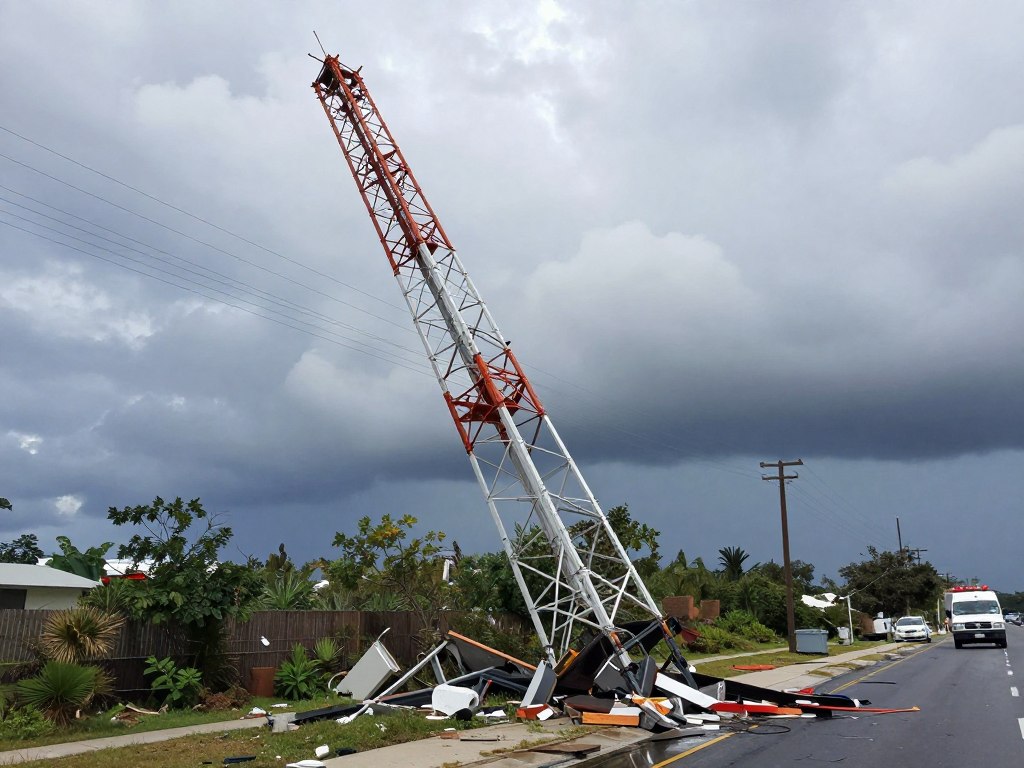
Infrastructure Failure During Hurricanes
Cell towers require continuous electrical power and intact fiber optic connections. Hurricane-force winds destroy these systems within hours of landfall. The 2023 hurricane season demonstrated this vulnerability across multiple Gulf Coast communities.
Commercial power grids fail first. Backup generators at cell sites provide only 24 to 72 hours of operation before fuel runs out. Road damage prevents refueling. Within three days, most towers go silent.
Internet-dependent weather apps become useless the moment your home loses connectivity. Satellite internet services like Starlink offer some resilience, but require expensive equipment and clear sky views that hurricanes often block.
Battery Limitations of Smartphones
Modern smartphones drain batteries quickly under emergency conditions. Constant weather app checking, flashlight use, and attempts to contact family members deplete charge within hours.
A dedicated weather radio with hand crank and solar charging provides unlimited operational time. You generate power manually when needed. The radio becomes independent of all external power sources.
Dedicated Emergency Frequencies
NOAA operates over 1,000 transmitters nationwide on seven dedicated VHF frequencies. These towers use independent power systems, redundant equipment, and hardened construction designed for disaster resilience.
The NOAA Weather Radio All Hazards network broadcasts continuous weather information 24 hours daily. During emergencies, the National Weather Service interrupts programming with alert tones followed by critical warnings.
This system continues operating when commercial communications collapse. Weather radio represents your last line of reliable information during catastrophic events.
What Smartphones Cannot Do
- Operate without cellular towers or internet access
- Receive alerts when networks are congested or offline
- Recharge batteries without external power sources
- Function reliably for multiple days without electricity
- Access NOAA dedicated emergency broadcast frequencies
What Weather Radios Provide
- Direct reception of NOAA broadcasts without infrastructure
- Hand crank and solar charging for unlimited operation
- Automatic alerts even while radio is off or muted
- AM and FM stations for additional news sources
- Flashlight and USB charging for emergency phone power
Ready to Protect Your Family?
Jump to our comparison table below to see the top-rated emergency weather radios for Gulf Coast hurricane preparedness, or continue reading to understand how NOAA weather radio technology works.
How the NOAA Weather Radio All Hazards Network Works
Understanding the technology behind weather radio helps you choose the right equipment and use it effectively during emergencies. The system operates independently from consumer communications infrastructure.
Dedicated VHF Transmission Network
The National Weather Service operates the NOAA Weather Radio network across seven VHF frequencies between 162.400 and 162.550 MHz. These frequencies are reserved exclusively for weather broadcasting and emergency alerts.
Over 1,000 transmitters provide coverage to approximately 95 percent of the United States population. Each transmitter broadcasts continuous weather information and forecasts specific to its coverage area.
Transmitter sites use hardened construction, redundant power systems with generators and battery backup, and automated operation that continues even if staff cannot reach the facility during disasters.
Automatic Alert Functionality
NOAA weather radios monitor assigned frequencies continuously, even when the speaker is muted. When the National Weather Service issues an emergency alert, transmitters broadcast a special 1050 Hz tone that triggers your radio.
The radio activates automatically, sounds an alarm tone, and broadcasts the emergency message at full volume. This automatic alert system ensures you receive warnings even while sleeping or away from the radio.
After the message concludes, the radio returns to standby mode, continuing to monitor for additional alerts. This hands-off operation provides 24-hour protection without user intervention.
Types of Alerts Broadcast
The NOAA Weather Radio All Hazards network transmits various emergency information beyond weather warnings. Alert types include:
- Hurricane warnings and watches with projected paths and timing
- Tornado warnings with specific location information and shelter instructions
- Flash flood warnings indicating affected areas and evacuation routes
- Storm surge warnings with predicted water levels and coastal impacts
- Hazardous materials incidents requiring shelter-in-place or evacuation
- AMBER alerts for child abductions in your specific area
- Civil emergency messages including power grid failures and water supply issues
Each alert includes specific geographic information, timing, severity level, and recommended protective actions. The broadcast messages provide far more detail than smartphone emergency alerts.
Broadcast Range and Coverage
Individual NOAA transmitters typically provide coverage within a 40-mile radius under ideal conditions. Actual range depends on terrain, building construction, and weather conditions.
Coastal areas often receive excellent signals because flat terrain allows maximum transmission distance. Inland locations may experience reduced range due to hills and dense urban construction.
Most weather radios include external antenna connections for improved reception in marginal signal areas. Higher-quality radios demonstrate better sensitivity and can receive weaker signals more reliably.
Understanding SAME Technology and County Code Programming
Specific Area Message Encoding technology transforms your weather radio from a general emergency receiver into a precision alert system targeted to your exact location. This feature prevents alert fatigue from warnings that do not affect your area.
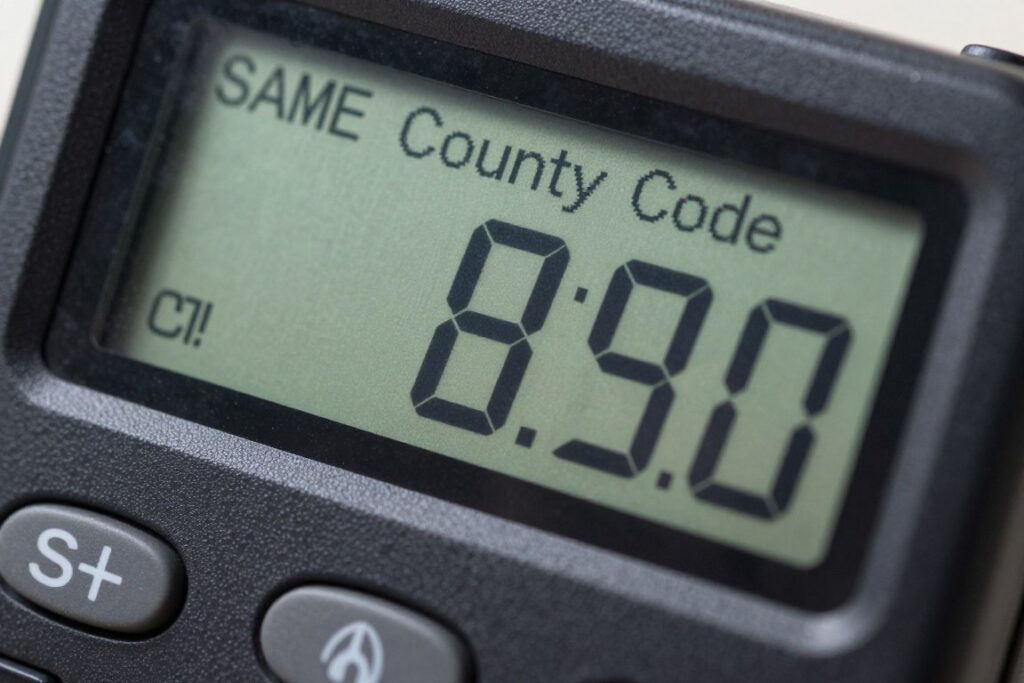
What SAME Technology Does
SAME encodes every emergency alert with specific geographic codes identifying the affected counties or regions. Your weather radio compares incoming alert codes against your programmed location codes.
When an alert matches your programmed area, the radio activates immediately. Alerts for other regions are ignored completely, preventing unnecessary alarms for distant emergencies.
This selective alerting proves especially valuable in Florida and the Gulf Coast where NOAA transmitters cover multiple counties. A tornado warning in Escambia County should not wake residents in Collier County 400 miles away.
How to Program Your County Code
Every United States county has a unique six-digit SAME code. You can program multiple county codes into most modern weather radios, typically between one and 25 locations depending on the model.
Programming steps vary by radio model but generally follow this pattern:
- Access the SAME programming menu using the designated button
- Enter your six-digit county code using the keypad
- Save the code to memory location one
- Repeat for additional counties if desired
- Exit programming mode and test the system
Find your county code through the National Weather Service website or reference materials included with your weather radio. Common Florida Gulf Coast codes include:
- Pinellas County (St. Petersburg, Clearwater): 012103
- Hillsborough County (Tampa): 012057
- Lee County (Fort Myers): 012071
- Collier County (Naples): 012021
- Sarasota County: 012115
- Charlotte County: 012015
Multi-County Programming Strategy
Program your home county as the primary code. Add adjacent counties where you work, where family members live, or along your evacuation route.
This approach ensures you receive relevant alerts for areas where you spend significant time or may need to travel during emergencies. The radio alerts you to developing situations that might affect your evacuation plans.
Avoid programming too many distant counties, as this defeats the purpose of selective alerting. Focus on locations where you have legitimate safety concerns or family responsibilities.
Alert Event Codes
Beyond geographic filtering, SAME technology allows you to filter by event type. Most radios let you enable or disable specific alert categories.
For hurricane preparedness, ensure these event types remain active: hurricane warnings, tropical storm warnings, storm surge warnings, tornado warnings, and flash flood warnings. You may choose to disable less critical alerts like frost advisories or special weather statements.
Get SAME-Capable Weather Radio
All our recommended emergency radios include SAME technology with easy county code programming. The Midland ER310 provides storage for up to 25 different location codes, perfect for monitoring your home, workplace, and evacuation destinations.
Quick Comparison: Top Emergency Weather Radios for Hurricane Season 2026
This comparison table highlights key specifications for our recommended weather radios. All models include NOAA weather alert capability, SAME technology, and multiple power options essential for hurricane preparedness.
| Model | Price Range | Power Sources | USB Charging | Battery Runtime | Best For |
| Midland ER310 | $50-$70 | Hand crank, solar panel, rechargeable battery, AAA backup | Yes, 2600mAh | 32+ hours | Overall best, families, extended outages |
| Kaito KA500 | $45-$65 | Hand crank, solar panel, rechargeable battery, AAA backup, AC adapter | Yes, 2000mAh | 20+ hours | Feature-rich option, reading light |
| RunningSnail Solar Crank | $30-$45 | Hand crank, solar panel, rechargeable battery, AAA backup | Yes, 2000mAh | 12+ hours | Budget choice, basic emergency needs |
| Midland WR120 | $25-$40 | AC power, backup batteries | No | Varies by battery type | Home desktop alert station |
Price ranges reflect typical online pricing but may vary by retailer and seasonal demand. We recommend checking current Amazon pricing before purchase, especially as hurricane season approaches when demand increases inventory pressure.
Editor’s Choice: Midland ER310 Emergency Crank Weather Radio
The Midland ER310 represents the best overall emergency weather radio for Gulf Coast hurricane preparedness in 2026. This model combines reliable NOAA weather alert reception with practical features that prove essential during extended power outages.

Key Features and Specifications
The ER310 incorporates multiple power options that ensure continuous operation regardless of external conditions. The hand crank generates approximately one hour of radio reception for every five minutes of cranking effort.
The integrated solar panel provides trickle charging during daylight hours, extending battery life significantly during multi-day outages. A rechargeable 2600mAh lithium-ion battery stores power from either source.
For backup redundancy, the unit accepts six AAA batteries in an external compartment. This triple battery system means power failure becomes nearly impossible if you maintain basic battery supplies.
The radio receives AM, FM, and all seven NOAA weather channels with excellent sensitivity. SAME technology with storage for up to 25 county codes provides precise geographic alert filtering.
Phone Charging Capability
The USB charging output delivers up to 2600mAh of power to charge smartphones or small devices. During hurricane outages, this feature transforms your weather radio into a critical power source.
You can crank the radio to generate power, then transfer that energy to your phone through the USB port. Five minutes of hand crank effort provides approximately one to three percent smartphone battery charge, enough for emergency calls or text messages.
This dual-purpose design reduces the number of separate devices you need to maintain. One piece of equipment provides both weather alerts and emergency communications capability.
Additional Emergency Features
Beyond radio and phone charging, the ER310 includes practical emergency tools. A bright LED flashlight provides illumination during power outages. An ultrasonic dog whistle can signal for help over long distances.
The SOS beacon flashes a visual distress signal visible to rescue teams or neighbors. All features operate using the same power sources, maintaining the device’s independence from external electricity.
Durability and Construction
The housing uses impact-resistant ABS plastic designed to withstand drops and rough handling during evacuations. Rubberized grip areas prevent slipping in wet conditions common during hurricanes.
The hand crank mechanism demonstrates solid construction with metal gears that handle repeated use. Users report reliable operation after years of testing and actual emergency deployment.
Water resistance reaches IPX4 rating, meaning the radio survives splashing and light rain but should not be submerged. This protection level suits typical hurricane shelter conditions.
Advantages
- Excellent battery runtime exceeds 32 hours on single charge
- Hand crank provides reliable power generation in any conditions
- Solar panel extends operation indefinitely during daylight
- Strong NOAA weather alert reception with clear audio
- USB phone charging capability for emergency communications
- Bright LED flashlight with long operational time
- Stores 25 SAME county codes for precise alert filtering
- SOS beacon and dog whistle add emergency signaling options
Limitations
- Higher price point compared to basic emergency radios
- Larger size may be less convenient for compact bug-out bags
- Solar charging slow in cloudy conditions typical during hurricanes
- Hand crank effort required can tire some users during extended use
Real-World Hurricane Performance
Gulf Coast residents deployed the ER310 during Hurricane Ian, Hurricane Idalia, and multiple severe weather events throughout 2023 and 2024. User reports consistently praise the radio’s reliability when conventional communications failed.
One Tampa Bay family reported using their ER310 continuously for five days after Ian knocked out power. They hand-cranked the radio twice daily and used the USB port to charge phones for essential family contact.
The solar panel proved most valuable during the recovery period when partially restored daylight allowed trickle charging without physical effort. Users recommend placing the radio in windowsills during daytime hours to maximize solar input.
Who Should Buy the Midland ER310
This radio suits families who prioritize reliable emergency communications and need phone charging capability during outages. The higher price point delivers significantly better build quality and features compared to budget options.
Homeowners in hurricane-prone areas benefit most from the ER310’s combination of NOAA alerts, AM/FM news monitoring, and practical emergency tools. The device serves multiple functions that justify the premium cost.
The ER310 excels for users who plan to shelter in place during hurricanes rather than evacuate. The extended battery life and multiple charging options support multi-day operation without resupply.
Prepare Your Home Before Hurricane Season
The Midland ER310 consistently ranks as the top choice for Gulf Coast emergency preparedness. With hurricane season approaching, securing your weather radio now ensures availability before storm forecasts drive demand.
Feature-Rich Alternative: Kaito KA500 Emergency Radio
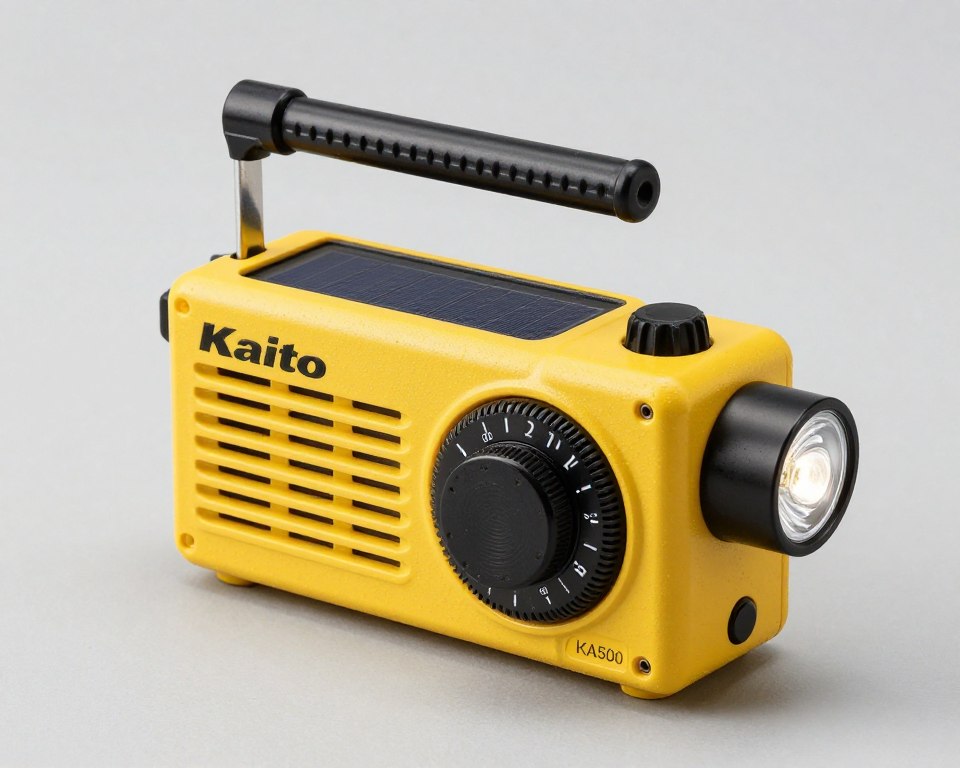
The Kaito KA500 delivers an impressive feature set that rivals and sometimes exceeds the Midland ER310. This radio appeals to users who want maximum functionality and appreciate additional options like shortwave reception and reading lights.
Expanded Reception Capabilities
Unlike most emergency radios limited to AM, FM, and NOAA weather bands, the KA500 adds shortwave reception covering frequencies from 3.2 to 21.85 MHz. This capability allows monitoring of international broadcasts during major disasters.
Shortwave signals travel thousands of miles by bouncing off the ionosphere. When regional communications collapse completely, shortwave provides access to news and information from distant unaffected areas.
The radio includes a telescopic antenna that extends for improved shortwave reception. Users report reliable shortwave performance for major international broadcasters even during poor propagation conditions.
Power System and Charging
The KA500 matches the ER310 with hand crank, solar panel, rechargeable battery, and AAA backup battery options. It adds a fifth power source through an included AC adapter for home use.
The hand crank uses a similar design to the Midland unit, generating approximately 45 to 60 minutes of operation per five minutes of cranking. The solar panel provides slightly less output than the ER310 but still extends battery life significantly.
The internal rechargeable battery holds approximately 2000mAh compared to the ER310’s 2600mAh. Real-world runtime differences prove minimal for practical emergency use.
A USB output provides phone charging capability similar to the Midland radio. The port delivers adequate current for smartphone charging, though charge speed depends on cranking effort or solar conditions.
Reading Light and Flashlight
The KA500 includes both a standard LED flashlight and a unique reading light attachment. The reading light uses a flexible arm that positions illumination for reading books or maps without holding a flashlight.
This feature proves valuable during extended power outages when you need hands-free lighting for tasks. The reading light draws less power than the main flashlight, extending battery runtime.
Both light sources use efficient LED technology with multiple brightness settings. Users control intensity to balance illumination needs against power conservation during emergencies.
Build Quality and Durability
The housing uses impact-resistant plastic similar to competing models. The bright yellow color aids visibility in dark emergency conditions or if the radio is dropped in debris.
The hand crank mechanism demonstrates solid construction with metal components in critical stress points. Some users report the crank feels slightly less robust than the Midland ER310, though functional reliability remains high.
Water resistance reaches basic splash protection levels but falls short of full weatherproofing. The radio survives normal emergency use but requires protection from heavy rain or flooding.
Advantages
- Shortwave reception provides international news access during disasters
- Reading light with flexible arm offers hands-free illumination
- Five separate power sources including AC adapter for home use
- Excellent AM and FM reception quality with sensitive tuner
- NOAA weather alerts with SAME technology and county filtering
- USB charging port for emergency phone power
- Bright yellow color improves visibility in emergencies
- Competitive price point for extensive feature set
Limitations
- Slightly lower battery capacity than premium alternatives
- More complex controls may confuse some users initially
- Hand crank mechanism feels less robust than top competitors
- Limited water resistance requires careful protection in wet conditions
Best Use Cases for the KA500
The Kaito radio suits users who appreciate technical features and want maximum versatility. The shortwave capability appeals to those interested in monitoring international broadcasts or who live in areas where regional news coverage may be compromised.
The reading light makes this radio particularly valuable for extended outages when you need illumination for tasks beyond simple navigation. Families with children may appreciate the hands-free lighting for reading during evening hours without power.
The AC adapter option allows convenient home use as a desktop radio when not needed for emergencies. This dual-purpose design helps justify the purchase for users who want everyday utility along with emergency readiness.
Budget-Friendly Option: RunningSnail Solar Crank Radio
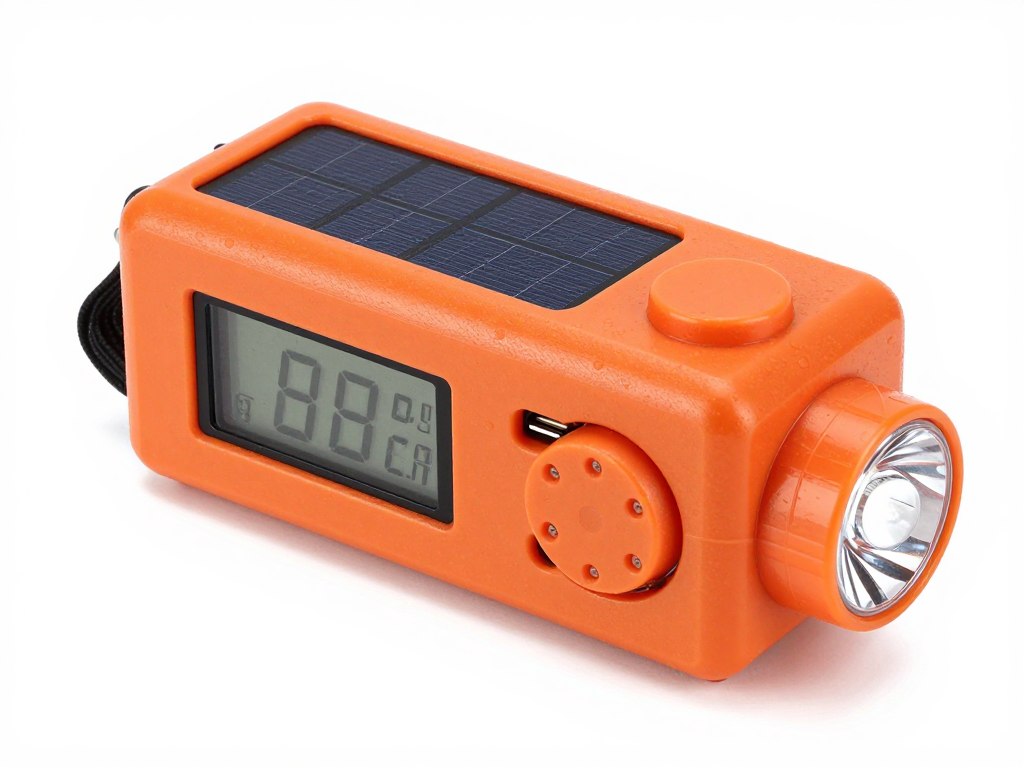
The RunningSnail Solar Crank Radio delivers essential emergency weather radio features at approximately half the price of premium models. This unit proves that adequate hurricane preparedness does not require significant financial investment.
Core Emergency Features
Despite the lower price point, the RunningSnail includes NOAA weather alert reception with automatic activation during emergencies. SAME technology allows county code programming, though memory holds fewer locations than premium models.
The radio receives AM and FM stations along with all seven NOAA weather channels. Reception quality proves adequate for most situations, though sensitivity falls slightly below premium units in marginal signal areas.
A hand crank provides manual power generation, and a solar panel supplements charging during daylight hours. The internal rechargeable battery holds approximately 2000mAh, delivering 12 to 18 hours of runtime depending on volume and use patterns.
Phone Charging and Flashlight
The USB charging port outputs sufficient current for smartphone charging during emergencies. Users report slower charging speeds compared to premium models, but the capability remains functional for maintaining emergency communications.
Hand crank effort translates to phone charging less efficiently than top-tier radios. Expect to crank approximately 10 to 15 minutes to provide enough power for a brief emergency call or text message exchange.
The LED flashlight produces adequate illumination for navigation and basic tasks. The light draws minimal power, making it suitable for extended use without significantly draining battery reserves.
Simplified Design Trade-offs
The RunningSnail achieves its lower price through simplified construction and reduced features. The housing uses lighter plastic that feels less substantial than premium competitors.
The hand crank mechanism works reliably but uses simpler gearing that requires more effort to generate equivalent power. Users with limited hand strength may find sustained cranking more difficult.
The solar panel produces lower output than premium models. Charging under cloudy conditions proves minimal, requiring direct sunlight for meaningful battery replenishment.
Control layout follows a basic design with fewer adjustment options. Users seeking advanced features like tone controls or multiple alarm settings should consider higher-tier models.
Advantages
- Significantly lower price point improves accessibility
- Includes all essential emergency radio features
- NOAA weather alerts with SAME county code programming
- Hand crank and solar charging for off-grid operation
- USB phone charging provides emergency communication backup
- Compact size fits easily in emergency kits or vehicle storage
- Simple controls reduce learning curve for all users
- Lightweight construction aids portability during evacuations
Limitations
- Lower reception sensitivity struggles in weak signal areas
- Reduced battery capacity limits operational runtime
- Hand crank requires more effort for equivalent power generation
- Less durable construction may not survive rough handling
- Solar panel produces minimal output under cloudy conditions
- Limited SAME memory stores fewer county codes
When the RunningSnail Makes Sense
This radio suits budget-conscious families who need basic emergency weather alert capability without significant financial investment. The unit covers essential requirements adequately for occasional emergency use.
Apartment dwellers or renters who may relocate appreciate the lower cost commitment. The radio provides necessary NOAA alerts and emergency features without the premium pricing of top-tier models.
The RunningSnail works well as a secondary radio for vehicles, vacation properties, or workplace emergency kits. The compact size and light weight make multiple-unit purchases more affordable.
Users living in areas with strong NOAA signal coverage experience better results with budget radios. The reception limitations matter less when transmitter proximity ensures strong signals.
Desktop Alert Station: Midland WR120 Weather Alert Radio
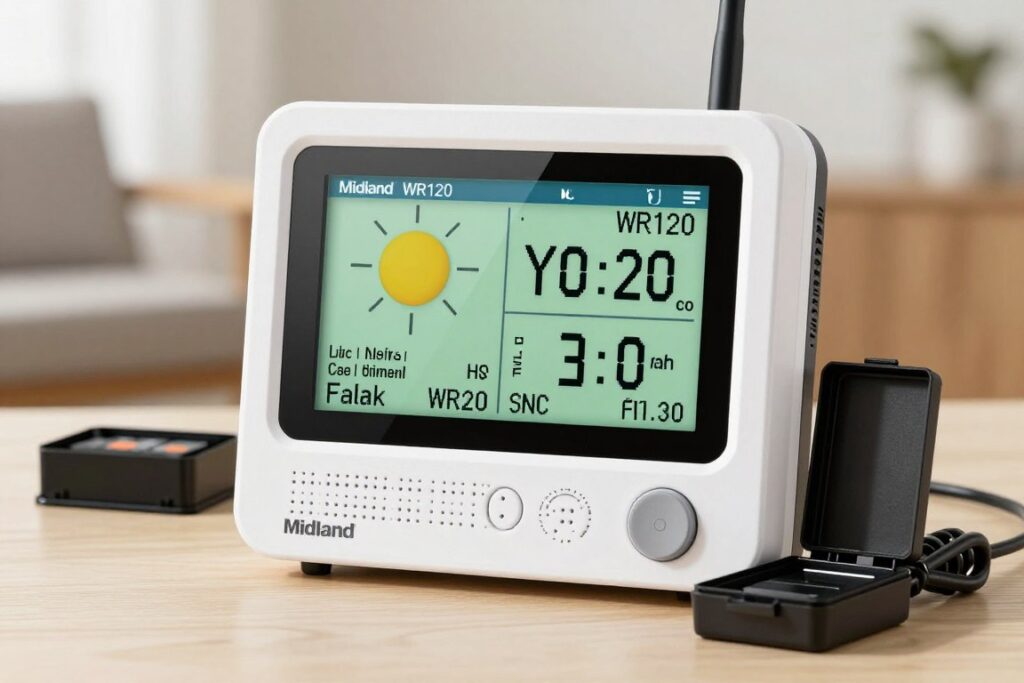
The Midland WR120 represents a different approach to emergency weather alerts. This desktop unit prioritizes loud, reliable automatic alerting over portability and hand crank features.
Dedicated Home Alert System
The WR120 operates primarily from AC power with battery backup for power outages. This design choice delivers louder alert tones and brighter visual indicators than portable hand crank models.
The unit monitors NOAA weather radio continuously with extremely sensitive reception. The desktop form factor allows larger antenna systems and more sophisticated tuning circuits than compact portable radios.
During emergencies, the WR120 produces alert tones loud enough to wake sleeping family members even in large homes. The volume control allows adjustment for individual preferences and home sizes.
SAME Programming and Alert Display
The radio stores up to 15 SAME county codes with individual enable/disable control. The large LCD display shows alert information clearly, including event type, affected counties, and timing.
Color-coded alert levels help users quickly assess severity without reading detailed information. Red indicates warnings requiring immediate action, while yellow shows watches and advisories for monitoring.
The display remains illuminated continuously when operating on AC power, providing at-a-glance weather information even when alerts are not active. This feature helps users monitor developing situations proactively.
Power Backup Limitations
The WR120 requires AC power for continuous operation. Battery backup maintains alerting capability during brief outages but provides significantly less runtime than hand crank portable models.
Users should install fresh batteries before hurricane season and replace them annually. Alkaline batteries provide approximately 12 to 24 hours of backup operation depending on alert frequency and display use.
The lack of hand crank or solar charging means the WR120 becomes useless once backup batteries drain during extended outages. This limitation makes the unit unsuitable as a sole emergency radio.
Ideal Use Scenario
The WR120 works best as a home alert station paired with a portable hand crank radio for actual emergencies. Install the WR120 in a central bedroom location for overnight monitoring.
The loud alerts provide early warning of developing situations, giving you time to activate portable radios, charge devices, and prepare for potential power loss before the storm impacts your area.
Office environments and workplaces benefit from desktop alert radios that provide automatic notifications without requiring staff to monitor portable units. The AC power operation suits locations with backup generators.
Advantages
- Extremely loud alert tones wake sleeping family members
- Superior reception quality with sensitive tuning circuits
- Large, clear display shows detailed alert information
- Color-coded severity indicators enable quick assessment
- 15 SAME county code storage with individual control
- Continuous AC power operation ensures reliable monitoring
- Lower price point than premium portable options
- Dedicated emergency alerting without battery drain concerns
Limitations
- No hand crank or solar charging for extended outages
- Limited battery backup runtime requires frequent replacement
- Not portable for evacuation or outdoor use
- Requires AC power outlet limiting placement options
- No phone charging or additional emergency features
- Becomes inoperable once backup batteries drain
Recommended Deployment Strategy
Purchase a WR120 as your primary home alert system, but maintain a hand crank portable radio like the Midland ER310 for actual emergency use during outages. This two-radio approach provides optimal coverage.
Place the WR120 in a master bedroom or central hallway location where alert tones reach all sleeping areas. Program your home county and immediate adjacent counties for comprehensive coverage.
Test the system monthly using the test button. Replace backup batteries before each hurricane season begins. Keep the manual accessible for programming new county codes if you travel or have family in other areas.
Using Your Emergency Radio as a Phone Charger During Power Outages
The dual-purpose design of modern emergency radios transforms these devices into critical power sources for maintaining smartphone communications during extended hurricane outages. Understanding optimal charging strategies maximizes this capability.
Hand Crank Power Generation
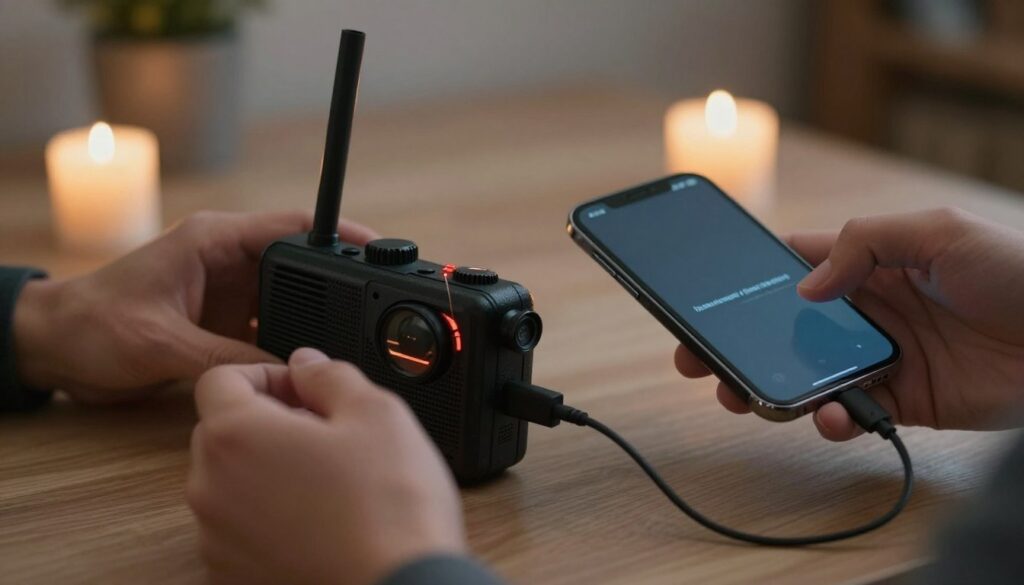
Hand crank radios generate electrical power through mechanical energy conversion. The crank turns an internal generator that produces current stored in the rechargeable battery or sent directly to the USB output port.
Efficient cranking technique matters significantly. Maintain a steady, moderate-speed rotation rather than maximum speed bursts. Most radios optimize power generation at approximately two rotations per second.
Five minutes of steady cranking typically produces enough stored energy to provide three to five percent smartphone battery charge. This translates to sufficient power for several emergency text messages or one brief phone call.
For a full smartphone charge from near-zero, expect to crank for approximately 60 to 90 minutes total, performed in multiple sessions to avoid hand fatigue. This effort level proves reasonable during multi-day outages when no alternatives exist.
Solar Panel Charging Strategy
Solar panels on emergency radios provide trickle charging that accumulates slowly but requires no physical effort. Optimal panel positioning dramatically affects charging speed.
Place the radio in direct sunlight, angled perpendicular to the sun’s rays for maximum energy capture. Window sills work well, though glass reduces charging efficiency by approximately 20 to 30 percent compared to outdoor placement.
During partly cloudy conditions common after hurricanes, solar charging slows significantly but continues functioning. Full overcast conditions produce minimal useful power, making hand crank operation necessary.
Combine solar and hand crank approaches during daylight hours. Let the solar panel charge the internal battery while cranking, then transfer that accumulated power to your phone periodically rather than continuously.
Optimizing Phone Charging Efficiency
Several strategies improve charging efficiency and extend the value of limited power generation capability during emergencies.
Enable airplane mode on smartphones before charging to minimize power drain from cellular radio searching. This simple step can double effective charging speed by preventing background power consumption.
Charge phones in short bursts to critical levels rather than attempting full charges. Reaching 20 percent from five percent proves far more valuable than pushing from 80 to 100 percent, which charges slower and consumes disproportionate energy.
Power off smartphones completely during charging for maximum efficiency. The charging circuit works more effectively without simultaneous power draw from active phone systems.
Use high-quality USB cables with minimal resistance. Cheap cables waste significant power through heat generation rather than delivering current to the phone battery.
Prioritizing Power for Critical Communications
During extended outages, treat phone charging capacity as a precious resource requiring careful management. Prioritize communications that directly affect safety and emergency coordination.
Reserve phone power for outbound emergency calls, receiving critical text messages from authorities, and brief check-ins with family members. Avoid social media browsing, photo viewing, or other non-essential activities.
Designate one family smartphone as the primary emergency device. Concentrate charging efforts on this single phone rather than spreading limited power across multiple devices.
Maintain the emergency radio’s battery reserve for weather alert monitoring. Transfer power to phones only after ensuring sufficient radio battery remains for continued NOAA alert reception.
Battery Management Best Practices
The internal battery in your emergency radio requires proper care to maintain charging capability over multiple emergency uses and years of ownership.
Recharge the internal battery fully after each emergency use or testing session. Lithium batteries maintain capacity better when kept above 20 percent charge rather than allowed to drain completely.
Exercise the battery quarterly by draining to approximately 50 percent and fully recharging. This cycling prevents memory effects and maintains chemical activity in the battery cells.
Replace rechargeable batteries every three to five years even if they appear to function normally. Battery capacity degrades gradually, reducing emergency runtime when you need it most.
Emergency Phone Charging Quick Tips
- Crank at steady moderate speed for optimal power generation
- Position solar panel perpendicular to sun for maximum charging
- Enable airplane mode before charging to reduce power drain
- Charge phones in short bursts to useful levels rather than full charges
- Use quality USB cables to minimize resistance and power loss
- Prioritize one primary emergency phone rather than multiple devices
- Maintain radio battery reserve for continuous weather monitoring
Building Your Complete Hurricane Emergency Kit: The Basket Builder Approach
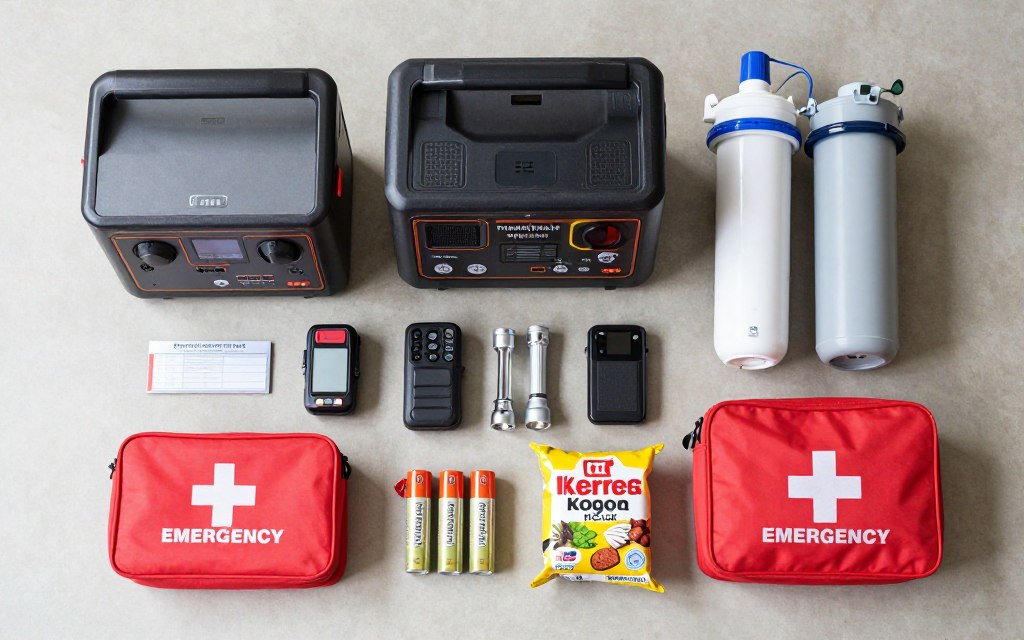
An emergency weather radio forms just one component of comprehensive hurricane preparedness. Shoppers purchasing weather radios frequently add complementary equipment that addresses related emergency needs.
Portable Power Stations for Extended Outages
While emergency radios provide limited phone charging through hand crank effort, portable power stations deliver substantial battery capacity for multiple devices over extended periods.
Modern lithium battery stations ranging from 300Wh to 2000Wh capacity power essential devices including smartphones, tablets, CPAP machines, small refrigerators, and WiFi routers during multi-day outages.
The combination of an emergency radio for immediate communications and alerts plus a power station for sustained device operation provides comprehensive coverage. The radio handles monitoring while the power station maintains your broader electronic needs.
Solar panel compatibility allows recharging power stations during the recovery period when partial sun returns but grid power remains offline. This extends operational time from days to weeks in severe scenarios.
Consider power stations in the 500Wh to 1000Wh range for typical household emergency needs. This capacity powers essential devices while remaining portable enough for evacuation if necessary.
Water Filtration Systems for Safe Drinking Water
Hurricane damage frequently compromises municipal water systems, creating boil water advisories or complete service interruption. Portable water filtration provides safe drinking water when infrastructure fails.
Modern gravity filters and pump systems remove bacteria, protozoa, and many chemical contaminants from natural water sources. This capability proves essential if bottled water supplies run out during extended emergencies.
Pair your emergency radio with a quality water filter to address the two most critical survival needs beyond shelter. Communication through radio and safe water through filtration form the foundation of extended emergency resilience.
Gravity filters offering family-scale capacity work well for home emergency use. These systems require no power, filter multiple gallons per hour, and provide thousands of gallons of safe water before filter replacement.
Satellite Communicators for Off-Grid Contact
When cellular networks collapse completely, satellite communicators provide text messaging capability that functions anywhere with clear sky view. These devices operate independently from terrestrial infrastructure.
Two-way satellite messengers allow communication with family members, emergency contacts, and potentially rescue services when conventional communications fail. The technology proves especially valuable for checking on elderly relatives or coordinating family movements during evacuations.
Monthly subscription costs typically range from 15 to 30 dollars, a reasonable expense for maintaining communication capability during the four to six month hurricane season. Services can be suspended during off-season months.
The combination of NOAA weather radio for receiving official alerts and satellite messenger for sending status updates provides bidirectional emergency communication independent of cell towers and internet service.
Complete Kit Checklist
A comprehensive hurricane emergency kit includes multiple categories of supplies addressing different survival needs. Use this framework to identify gaps in your current preparedness:
Communications and Information
Maintain awareness and contact capability when infrastructure fails.
- NOAA weather radio with SAME alerts
- Portable AM/FM radio for news
- Satellite messenger for two-way contact
- Backup phone chargers and cables
Power and Lighting
Maintain essential electrical devices and visibility after dark.
- Portable power station with solar panels
- LED flashlights with spare batteries
- Headlamps for hands-free lighting
- Battery-powered lanterns for area lighting
Water and Food
Ensure safe drinking water and adequate nutrition during outages.
- Water filtration system or purification tablets
- One gallon water per person per day stored
- Non-perishable food for seven days minimum
- Manual can opener and eating utensils
First Aid and Medications
Address medical needs when professional help is unavailable.
- Comprehensive first aid kit with manual
- Prescription medications 30-day supply
- Over-the-counter pain relievers and medications
- Medical supplies specific to family health conditions
Staged Purchasing Strategy
Complete emergency preparedness represents significant investment. A staged purchasing approach spreads costs while progressively improving readiness.
Begin with the emergency weather radio as your foundation purchase. This single item addresses the most critical information gap during emergencies and costs less than 60 dollars for quality options.
Add a portable power station as your second purchase when budget allows. This combination provides communication monitoring through the radio plus device charging capability through the power station.
Complete the essential trio with water filtration during your third purchasing stage. These three items address communication, power, and water needs that sustain survival during extended infrastructure failure.
Supplement this foundation with additional equipment like satellite communicators, first aid supplies, and food storage as your budget and storage space permit. Focus on highest-impact items first rather than attempting to purchase everything simultaneously.
Frequently Asked Questions About Emergency Weather Radios for Hurricane Season
What is the best emergency weather radio for hurricane season 2026?
The Midland ER310 represents the best overall emergency weather radio for hurricane season 2026 for Gulf Coast residents. This model combines reliable NOAA weather alert reception with practical features including hand crank charging, solar panel, USB phone charging capability, and extended 32-hour battery runtime.
The ER310 costs approximately 60 dollars and includes SAME technology for programming up to 25 county codes. This allows precise geographic filtering so you receive only alerts affecting your specific area rather than the entire broadcast region.
Alternative recommendations include the Kaito KA500 for users wanting shortwave reception and reading light features, or the RunningSnail Solar Crank Radio for budget-conscious shoppers needing basic emergency alert capability under 45 dollars.
Do I really need a NOAA weather radio if I have a smartphone?
Yes, dedicated NOAA weather radios remain essential even for smartphone owners. Cell towers fail regularly during hurricanes due to power loss, physical damage from winds, and overloaded networks from simultaneous user demand.
Hurricane Ian knocked out over 40 percent of cell towers in Southwest Florida within hours of landfall. Residents depending solely on smartphones lost access to emergency alerts and weather information precisely when they needed it most.
NOAA weather radios operate on dedicated VHF frequencies broadcast from hardened transmitters with backup power systems designed specifically for disaster resilience. The radios receive signals directly without requiring cell towers or internet connectivity.
Hand crank and solar charging capabilities mean weather radios function indefinitely without external power sources. Smartphones drain batteries within hours during emergencies and become useless once power for recharging becomes unavailable.
What is the best hand crank weather radio for 2026?
The Midland ER310 offers the best hand crank weather radio performance for 2026 based on build quality, power generation efficiency, and overall feature set. The hand crank mechanism uses durable metal gears that generate approximately one hour of radio operation per five minutes of cranking.
The ER310’s crank also charges the internal 2600mAh battery which powers the USB phone charging port. This dual-purpose design means hand crank effort produces both radio monitoring capability and smartphone charging power.
The Kaito KA500 provides a feature-rich alternative with similar hand crank functionality plus shortwave reception and a reading light. Budget shoppers should consider the RunningSnail Solar Crank Radio, though its hand crank requires more effort for equivalent power generation compared to premium models.
How do I compare the Midland ER310 vs Kaito KA500?
The Midland ER310 and Kaito KA500 represent the two top emergency weather radios, with the choice depending on your specific priorities and intended use.
The ER310 excels in build quality, battery runtime (32+ hours vs 20+ hours), and hand crank durability. It includes a 2600mAh internal battery, stores 25 SAME county codes, and demonstrates superior construction that survives rough handling better. Choose the ER310 if you prioritize reliability, extended runtime, and robust build quality.
The KA500 offers more features including shortwave radio reception, a flexible reading light, and five separate power sources including an AC adapter. It costs slightly less while providing additional functionality. Choose the KA500 if you want maximum versatility and appreciate features like shortwave monitoring and reading illumination.
Both radios receive NOAA weather alerts reliably, include SAME technology, provide hand crank and solar charging, and offer USB phone charging. You cannot make a wrong choice between these two top-tier options.
What is SAME technology and why does it matter for Florida hurricane alerts?
SAME stands for Specific Area Message Encoding, a technology that encodes geographic location codes into every NOAA weather alert broadcast. Your weather radio compares incoming alert codes against your programmed county codes and activates only for matching locations.
This selective alerting prevents unnecessary alarms from distant emergencies. Florida counties span large geographic areas, and single NOAA transmitters often cover multiple counties across more than 100 miles. Without SAME filtering, you would receive alerts for every county in the broadcast region.
SAME technology allows you to program your home county code plus additional codes for work locations, family member residences, or evacuation destinations. The radio alerts only for programmed areas, ensuring you receive relevant warnings without alert fatigue from constant distant notifications.
Every recommended radio in this guide includes SAME capability. Program your county code immediately after purchase using the six-digit FIPS code available from the National Weather Service website or included documentation.
Can I use my emergency radio to charge my phone during power outages?
Yes, modern emergency weather radios with hand crank and solar features include USB charging ports that power smartphones during outages. The charging capability transforms your weather radio into a dual-purpose device providing both emergency alerts and communication power.
Expect approximately five minutes of hand crank effort to generate enough power for three to five percent smartphone battery charge. This translates to sufficient energy for emergency text messages or brief phone calls when cellular service remains available.
A full smartphone charge from near-zero requires approximately 60 to 90 minutes of total cranking, performed in multiple sessions to avoid hand fatigue. This effort level proves reasonable during multi-day outages when no other charging options exist.
The Midland ER310 provides the best phone charging capability among recommended radios with its 2600mAh internal battery and efficient hand crank mechanism. Enable airplane mode on phones before charging to minimize power drain and maximize charging efficiency.
How long do emergency weather radio batteries last?
Battery runtime for emergency weather radios varies significantly based on the model, power source, usage patterns, and volume settings. The Midland ER310 delivers the longest runtime at 32+ hours on a single full charge of its internal rechargeable battery.
The Kaito KA500 provides approximately 20+ hours of operation on its internal battery, while budget models like the RunningSnail typically deliver 12 to 18 hours depending on volume and feature use.
These runtime estimates assume moderate volume with the radio in active listening mode. Standby mode with automatic alert monitoring consumes far less power and extends battery life to several days or even weeks.
Hand crank and solar charging capabilities mean battery runtime becomes less critical since you can generate power as needed. Five minutes of cranking produces approximately one hour of operation, allowing indefinite runtime through periodic manual charging.
Replace backup AAA batteries annually before hurricane season. Rechargeable internal batteries typically maintain capacity for three to five years before requiring replacement to restore original runtime performance.
What other emergency equipment should I buy along with a weather radio?
A comprehensive hurricane emergency kit extends beyond weather radios to address multiple survival needs. Based on common purchasing patterns, shoppers typically add three categories of complementary equipment.
Portable power stations represent the most frequent secondary purchase. These battery systems deliver 300Wh to 2000Wh capacity for charging multiple devices, running CPAP machines, or powering small refrigerators during extended outages. A 500Wh to 1000Wh power station paired with your weather radio provides robust electrical resilience.
Water filtration systems address the second critical need when municipal water systems fail or issue boil water advisories. Gravity filters or pump systems remove bacteria and contaminants from natural water sources, providing safe drinking water when bottled supplies run out.
Satellite communicators form the third common addition, enabling two-way text messaging when cellular networks collapse. These devices operate independently from terrestrial infrastructure, maintaining family contact capability during complete communication failures.
Visit our dedicated guides for detailed reviews of portable power stations, water filtration systems, and satellite communicators optimized for Gulf Coast hurricane preparedness.
Final Recommendations and Hurricane Season Preparation Timeline
Selecting and deploying your emergency weather radio represents a critical step toward comprehensive hurricane preparedness. The following recommendations help you choose the right equipment and prepare effectively before storm season intensifies.
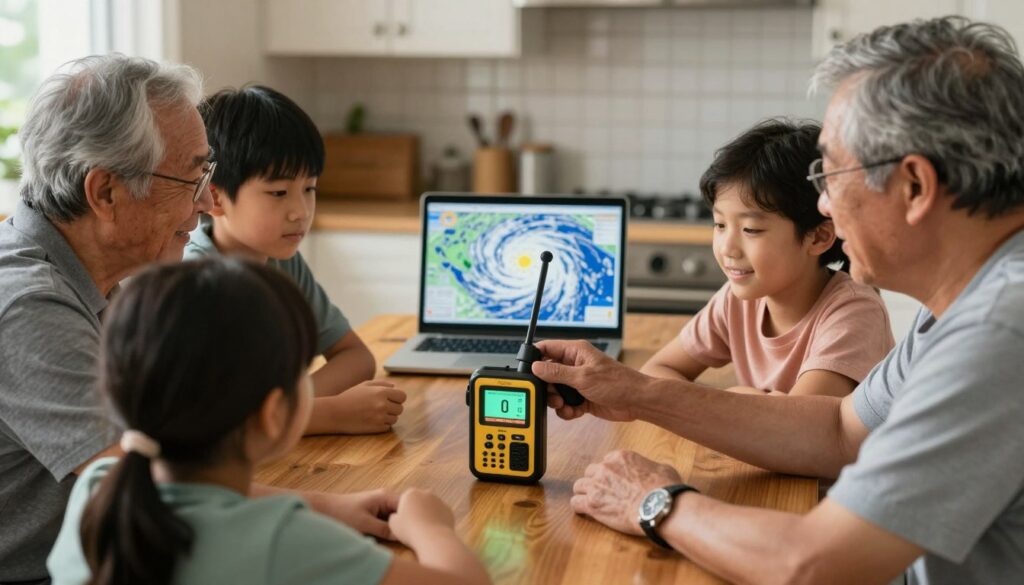
Choosing Your Weather Radio
For most Gulf Coast families, the Midland ER310 delivers the best balance of reliability, features, and value. The 60-dollar investment provides professional-grade emergency alerting with practical features like phone charging that justify the premium over budget options.
Budget-conscious households or those purchasing multiple radios for different locations should consider the RunningSnail Solar Crank Radio. While less robust than premium options, it covers essential emergency needs adequately at approximately half the cost.
Enthusiasts wanting maximum features and technical capability will appreciate the Kaito KA500 with its shortwave reception, reading light, and extensive power options. This radio suits users who value versatility and additional functionality beyond basic emergency alerting.
Supplement portable radios with a Midland WR120 desktop alert station for overnight home monitoring. The combination provides loud automatic alerts that wake sleeping family members plus a portable unit for actual emergency use during outages.
Pre-Season Preparation Steps
Purchase and deploy your weather radio well before hurricane season intensifies. Early May represents the ideal timeframe, allowing several weeks for familiarization before seasonal risk increases.
Program your county SAME code immediately after unboxing. Test the alert function using the built-in test button to verify proper operation. Ensure all family members understand how to operate basic functions and interpret alert messages.
Charge the internal battery fully and verify hand crank operation. Practice cranking technique to develop efficient rhythm that generates maximum power with minimum effort. Test the USB phone charging capability with your actual devices.
If you purchased a solar model, identify optimal window locations for daytime charging. Test solar panel output under various weather conditions to understand realistic charging expectations during cloudy post-storm periods.
Create a storage location for the radio that balances accessibility with protection from accidental damage. Many families designate a specific emergency supplies cabinet or closet shelf for weather radio storage between uses.
Seasonal Maintenance Schedule
Perform monthly testing during hurricane season to verify continued proper operation. The brief test ensures batteries maintain charge and alert functions activate correctly. Monthly testing takes less than five minutes but confirms readiness when actual emergencies develop.
Replace backup AAA batteries at the beginning of each hurricane season, typically early June. Fresh batteries ensure maximum backup runtime during power outages. Write the installation date on batteries using permanent marker for future reference.
Fully cycle the rechargeable battery quarterly by draining to approximately 50 percent and recharging completely. This exercise maintains battery chemistry and prevents capacity degradation from extended storage at full charge.
Clean the radio exterior and solar panel quarterly using a soft cloth. Dust accumulation on solar panels reduces charging efficiency. Inspect hand crank mechanism for smooth operation and apply a small amount of lubricant if cranking becomes stiff.
When to Replace Your Radio
Emergency weather radios typically provide five to eight years of reliable service before age-related degradation warrants replacement. Internal rechargeable batteries represent the first component to fail, usually after three to five years.
Many radios allow battery replacement, extending useful life beyond initial battery capacity degradation. Check manufacturer documentation for battery replacement procedures and compatible battery specifications.
Replace the entire radio if you notice degraded reception quality, inconsistent alert activation, or physical damage to critical components like the hand crank mechanism or solar panel connections. Reliability during actual emergencies depends on properly functioning equipment.
Technology improvements may justify earlier replacement even if your current radio functions adequately. Newer models often incorporate better battery chemistry, more efficient solar panels, or improved reception sensitivity worth upgrading to enhance emergency preparedness.
Hurricane Season Peak Months for Gulf Coast
Statistical hurricane risk peaks between August and October, with September representing the historically most active month. Ensure your emergency weather radio is purchased, programmed, tested, and readily accessible well before this critical period. Waiting until a storm enters the Gulf of Mexico often means sold-out inventory and shipping delays that leave you unprepared.
Protect Your Family This Hurricane Season
A dedicated NOAA weather radio costs less than a nice dinner out but provides life-saving alert capability when modern communications infrastructure fails. Every Gulf Coast household should own one.
The technology is proven, the price is reasonable, and the peace of mind is invaluable. Your smartphone will fail you during the worst hurricanes. Your weather radio will not.
Hurricane season 2026 will challenge Gulf Coast communities just as every season before it has. The question is not whether severe weather will threaten your area, but whether you will have reliable information when conventional systems collapse.
Purchase your emergency weather radio now, before forecasts drive demand and inventory shortages. Program your county code. Test the system. Prepare your family.
When the power fails, when cell towers go dark, when your internet connection vanishes, your NOAA weather radio will continue broadcasting the alerts that keep you informed and safe.
Choose Your Emergency Weather Radio
Select the option that best fits your needs and budget. All three radios provide reliable NOAA weather alerts with hand crank and solar charging for hurricane season preparedness.
Your family’s safety during hurricane season depends on reliable information when you need it most. A weather radio provides that assurance for less than the cost of a tank of gas.
Do not wait until a tropical system enters the Gulf. Prepare now while inventory is available and you have time to learn the system properly before emergencies develop.