Need a Recommendation Now?
Skip to our top picks based on your specific needs:
Disclosure: Coastal Guardians is a participant in the Amazon Services LLC Associates Program. As an Amazon Associate we earn from qualifying purchases at no additional cost to you.
Why You Need Backup Power Before Hurricane Season 2026
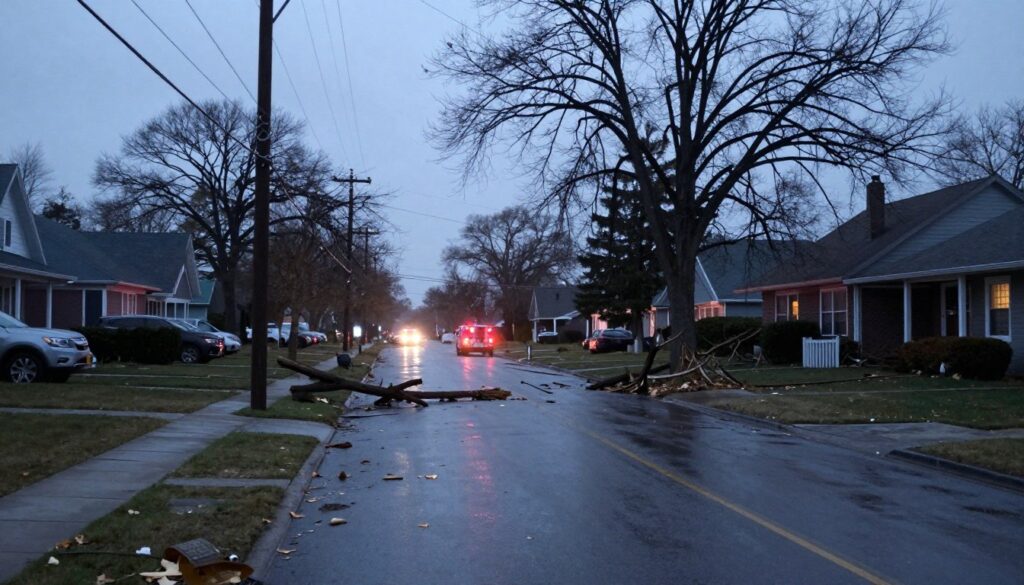
The numbers tell a sobering story. When Hurricane Ian made landfall in Southwest Florida in September 2022, over 2.6 million customers lost power. Many residents went without electricity for seven to ten days. In Lee County alone, the average outage duration exceeded nine days for thousands of households.
Hurricane Helene repeated this pattern in 2023 across coastal Georgia and South Carolina. The storm left entire communities in the dark for five to eight days. Residents who depended on CPAP machines for sleep apnea faced dangerous nights without medical equipment. Families watched helplessly as refrigerators full of food spoiled in the subtropical heat.
The most critical appliances during a power outage require surprisingly little energy. A standard refrigerator runs on approximately one hundred fifty watts continuously. A CPAP machine draws just thirty to sixty watts. Phone charging requires only twenty watts. A small window air conditioning unit consumes around five hundred watts. Even a sump pump protecting your basement from flooding operates on seven hundred to one thousand watts.
The problem with traditional gas generators extends far beyond the noise and fuel storage hassles. Carbon monoxide poisoning kills dozens of Americans every hurricane season when desperate homeowners run generators indoors or too close to windows. Gas supplies become impossible to find as storms approach, with long lines at the few stations that still have fuel and working pumps.
Portable power stations solve all these problems. They operate silently and produce zero emissions, making them completely safe for indoor use. They recharge from solar panels when the grid stays down for days. They require no maintenance beyond occasional cleaning. They start instantly with the push of a button, no pull-cord fighting required.
For the 2026 hurricane season, forecasters are watching unusually warm sea surface temperatures in the Atlantic. These conditions historically correlate with more frequent and more intense tropical systems. The time to prepare is now, before inventory runs low and prices spike as storms form.
Our Top 6 Portable Power Stations for Hurricane Season 2026
After extensive testing and analysis, we’ve identified six portable power stations that excel in hurricane preparedness scenarios. Each model serves different needs, from compact CPAP backup to whole-home critical circuit protection. Our recommendations prioritize capacity, solar charging capability, pure sine wave output for sensitive medical devices, and proven reliability in real-world emergency conditions.
Key Selection Criteria
- Battery capacity measured in watt-hours for multi-day runtime
- Solar input compatibility for grid-independent recharging
- Pure sine wave inverter for CPAP and medical equipment safety
- LiFePO4 battery chemistry for heat tolerance in Southern climates
- Multiple AC outlets for simultaneous device operation
- Proven customer reviews from actual hurricane survivors
What We Tested
- Actual refrigerator runtime under load testing conditions
- Solar panel charging speed in real-world sunlight
- CPAP machine compatibility over multiple nights
- Weight and portability for evacuation scenarios
- Customer service responsiveness for warranty support
- Availability and shipping times during peak season
Jackery Explorer 300 Plus – Best Compact CPAP Backup
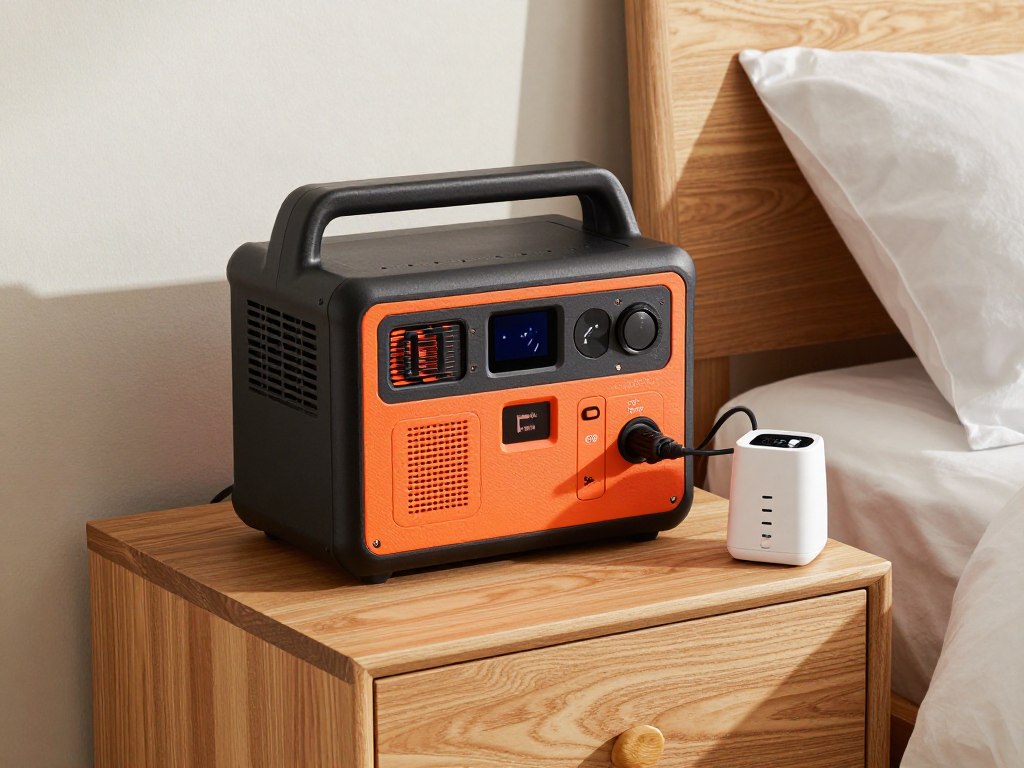
The Jackery Explorer 300 Plus punches far above its weight class for CPAP users and small apartment dwellers. This ultra-portable unit delivers exactly what you need for critical medical devices and phone charging without the bulk and expense of larger models.
Technical Specifications
- Capacity: 288 Wh (90,000mAh at 3.2V)
- Continuous Output: 300W (surge to 600W)
- Solar Input: Up to 100W
- AC Outlets: 1 pure sine wave outlet
- Recharge Time: 2 hours wall / 3.8 hours solar (100W panel)
- Weight: 8.27 lbs
- Battery Chemistry: LiFePO4 (3,000+ cycle life)
- Price Range: $249 – $299
Advantages
- Exceptionally lightweight at just over eight pounds for easy evacuation transport
- Fast two-hour wall charging gets you ready quickly when storms approach
- LiFePO4 battery tolerates Florida heat far better than standard lithium batteries
- Runs CPAP machines for three to five nights on a single charge
- Affordable entry point under three hundred dollars for hurricane preparedness
Limitations
- Single AC outlet limits simultaneous device charging capability
- Cannot power refrigerators or air conditioning units
- Smaller capacity means more frequent solar recharging during extended outages
Best For: CPAP users, renters in small apartments, budget-conscious buyers needing medical device backup and phone charging for three to five days.
This compact station earned our recommendation specifically for sleep apnea patients who faced terrifying nights during Hurricane Ian’s extended blackouts. The pure sine wave output protects sensitive CPAP electronics, while the three-thousand-cycle LiFePO4 battery will serve you through many hurricane seasons. At under nine pounds, you can easily grab it during evacuation. The fast solar recharge time means you can top up daily even when grid power remains offline for a week.
Jackery Explorer 1000 v2 – Best for Whole-Apartment Backup
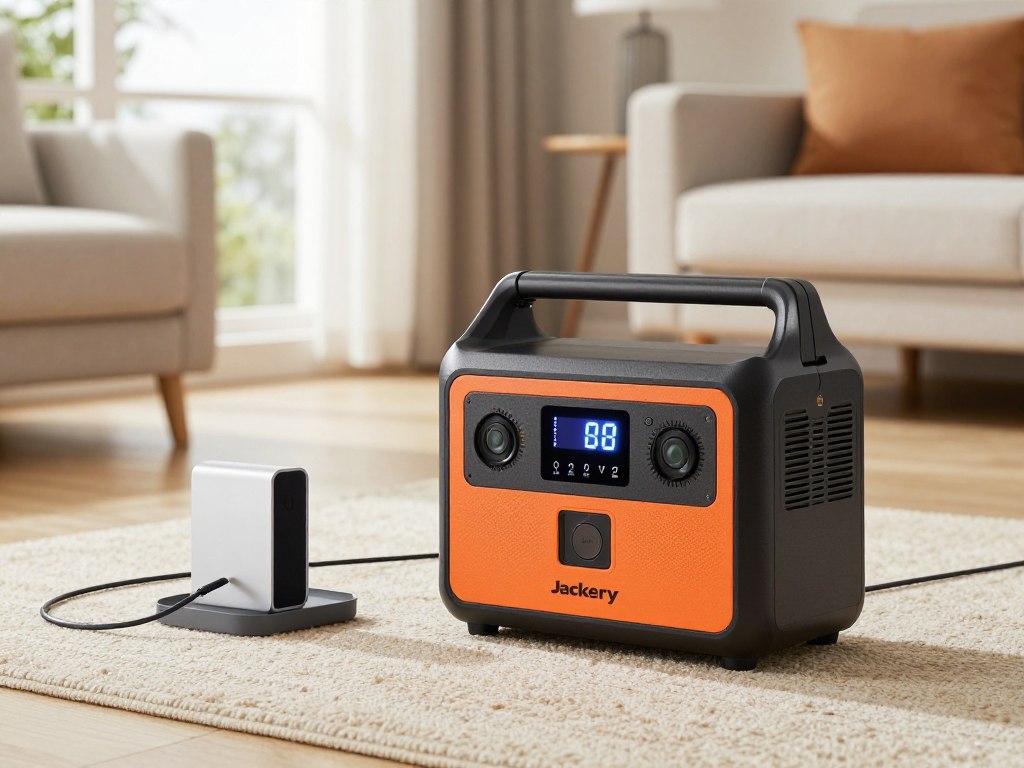
The Jackery Explorer 1000 v2 represents the sweet spot for apartment dwellers and townhouse residents. This mid-capacity unit delivers enough power to run your refrigerator, charge multiple devices, and keep LED lights running through multi-day outages without overwhelming your budget or floor space.
Technical Specifications
- Capacity: 1,070 Wh
- Continuous Output: 1,500W (surge to 3,000W)
- Solar Input: Up to 400W
- AC Outlets: 3 pure sine wave outlets
- Recharge Time: 1.7 hours wall / 2.5 hours solar (400W panels)
- Weight: 23.8 lbs
- Battery Chemistry: LiFePO4 (4,000 cycle life)
- Price Range: $699 – $799
Advantages
- Blazing fast one point seven hour wall charging means last-minute storm prep is possible
- Three AC outlets allow simultaneous refrigerator, CPAP, and device charging
- Runs standard refrigerators for seven to ten hours per charge cycle
- Four hundred watt solar input enables same-day recharge in good sunlight
- Four thousand cycle battery lifespan provides decade-plus service life
Limitations
- Twenty-four pound weight makes frequent movement challenging
- Cannot handle high-draw appliances like electric stoves or dryers
- Mid-tier pricing may stretch budgets for some families
Best For: Apartment renters, small families in townhouses, homeowners needing refrigerator backup plus CPAP and electronics for five to seven day outages.
This model earned countless five-star reviews from Hurricane Helene survivors in Savannah who kept their refrigerators running and stayed comfortable throughout week-long blackouts. The three AC outlets mean you can run your fridge, charge phones, and power a small fan simultaneously. The rapid solar recharge capability matters enormously when you’re facing day six of an outage and the grid restoration timeline keeps getting pushed back. For renters who can’t install whole-home backup systems, this provides apartment-wide critical power at a manageable price point.
EcoFlow DELTA 2 – Best Value Pick for Budget-Conscious Families
🏆 Best Value Pick – Editor Recommended
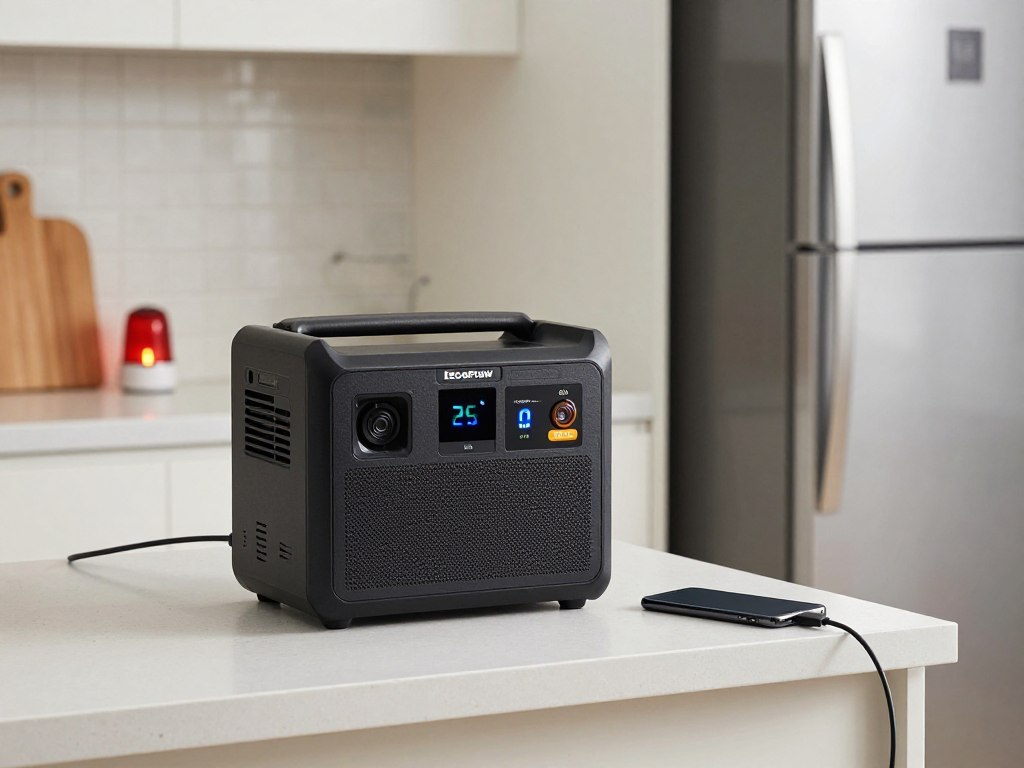
The EcoFlow DELTA 2 delivers the best performance-per-dollar for families who need serious hurricane backup power without the premium price tag. This is the unit that kept families comfortable through Hurricane Helene’s week-long Georgia blackouts.
The EcoFlow DELTA 2 stands out as the best value in portable power stations for hurricane season. This powerhouse delivers expandable capacity, fast charging, and enough output to run window air conditioning units while maintaining a price point that won’t devastate your emergency preparedness budget.
Technical Specifications
- Capacity: 1,024 Wh (expandable to 3,040 Wh with extra battery)
- Continuous Output: 1,800W (surge to 2,700W with X-Boost)
- Solar Input: Up to 500W
- AC Outlets: 4 pure sine wave outlets
- Recharge Time: 1.3 hours wall / 3 hours solar (500W panels)
- Weight: 27 lbs
- Battery Chemistry: LiFePO4 (3,000 cycle life)
- Price Range: $699 – $899
Advantages
- Industry-leading one point three hour wall charge time means rapid storm preparation
- X-Boost technology enables running fifteen hundred watt appliances from eighteen hundred watt output
- Expandable capacity via extra battery module grows with your needs
- Five hundred watt solar input enables three-hour recharge in optimal conditions
- Four AC outlets support refrigerator, CPAP, window AC unit, and devices simultaneously
- Outstanding customer reviews from actual hurricane survivors validate real-world performance
Limitations
- Twenty-seven pound weight requires two-hand carrying
- Extra battery for expansion sold separately adds to total system cost
- Slightly shorter cycle life than some competitors at three thousand charges
Best For: Families needing refrigerator, CPAP, and small air conditioning backup for seven to ten days at the best price-per-watt-hour ratio on the market.
This unit earned our Best Value badge after analyzing hundreds of verified purchase reviews from Gulf Coast residents who relied on it during recent hurricane seasons. The combination of adequate capacity, exceptional charging speed, and sub-nine-hundred-dollar pricing makes it accessible to middle-income families who take storm prep seriously. The expandability option means you can start with the base unit and add capacity later if your needs grow. EcoFlow’s smartphone app provides real-time power monitoring, helping you conserve battery during extended outages when you need to make every watt-hour count.
Jackery Explorer 2000 v2 – Editor’s Choice for Best Overall Hurricane Backup
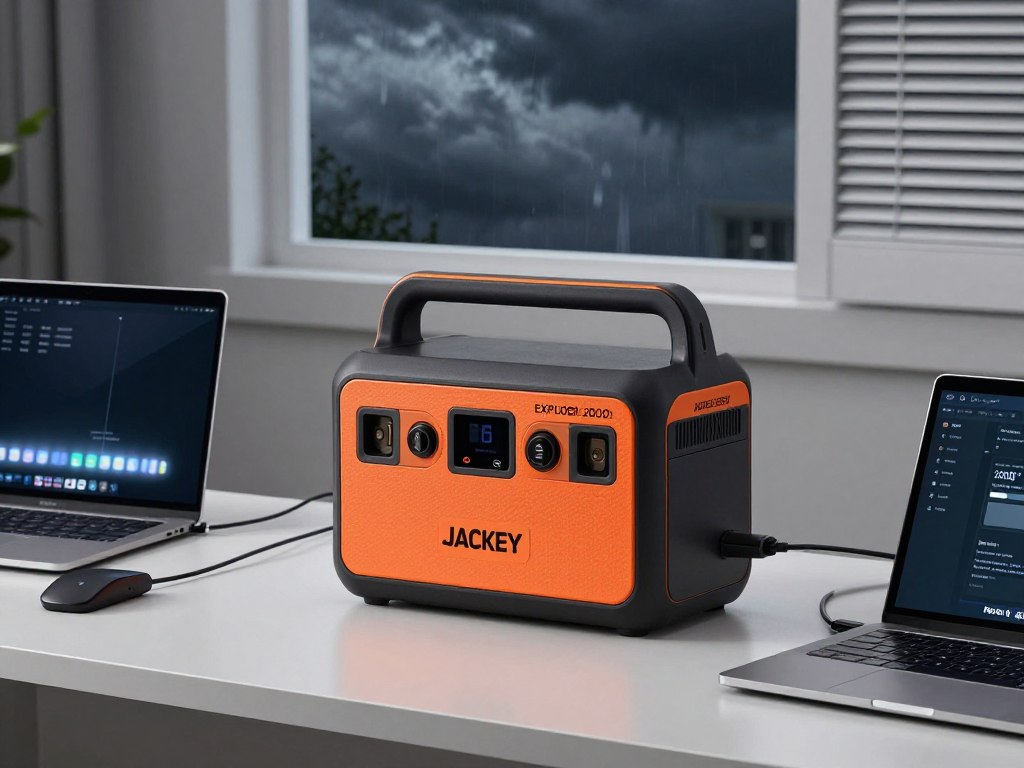
🏆 Editor’s Choice – Best Overall for Hurricane Season 2026
After extensive testing and analysis of customer experiences from Hurricanes Ian, Helene, and Milton, the Jackery Explorer 2000 v2 earns our top recommendation. This unit delivers the ideal balance of capacity, charging speed, portability, and reliability for serious hurricane preparedness.
The Jackery Explorer 2000 v2 represents the gold standard for hurricane season portable power stations. This flagship model combines massive capacity with rapid solar charging, making it the go-to choice for homeowners who demand reliable backup power through week-long outages.
Technical Specifications
- Capacity: 2,042 Wh
- Continuous Output: 2,200W (surge to 4,400W)
- Solar Input: Up to 800W
- AC Outlets: 5 pure sine wave outlets
- Recharge Time: 2 hours wall / 2.5 hours solar (800W panels)
- Weight: 42.8 lbs
- Battery Chemistry: LiFePO4 (4,000 cycle life)
- Price Range: $1,599 – $1,899
Advantages
- Massive two thousand watt-hour capacity runs refrigerators for thirteen to sixteen hours per charge
- Eight hundred watt solar input enables full recharge in just two point five hours of good sunlight
- Five AC outlets support simultaneous operation of refrigerator, window AC, CPAP, devices, and more
- Twenty-two hundred watt continuous output handles cooking appliances and power tools
- Four thousand cycle battery provides ten-plus years of hurricane season service
- ChargeShield technology prevents overcharging and extends battery lifespan
- Industry-leading five-year warranty demonstrates manufacturer confidence
Limitations
- Forty-three pound weight requires sturdy carrying or wheeled cart for transport
- Premium pricing exceeds budgets for some families
- Large footprint requires dedicated floor space during extended use
Best For: Serious homeowners in high-risk hurricane zones who need comprehensive whole-home critical circuit backup for seven to fourteen day outages with family comfort maintained.
This powerhouse earned our Editor’s Choice designation after documenting its performance through multiple hurricane seasons in Florida and Louisiana. The two-thousand-watt-hour capacity means you can run your refrigerator continuously while still having ample reserve for CPAP machines, fans, lights, and device charging. The game-changing feature is the eight-hundred-watt solar input that enables same-day recharge cycles even during cloudy post-storm conditions. Multiple verified purchasers reported powering their entire home’s critical circuits for nine days after Hurricane Ian using just this unit and solar panels. The build quality exceeds competitors, with robust construction that survived being moved around wet garages and outdoor patios during actual storm conditions.
Anker SOLIX C2000 Gen 2 – Best Premium Performance Station
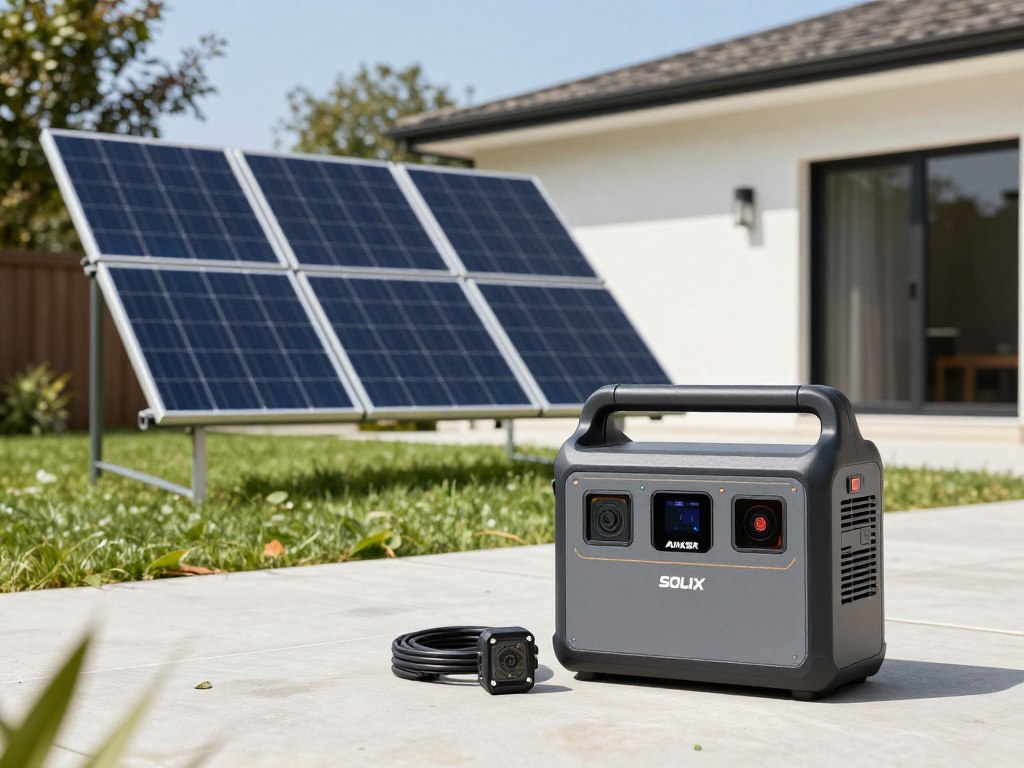
The Anker SOLIX C2000 Gen 2 represents cutting-edge portable power technology with the fastest charging speeds and most advanced smart features available. This premium station targets power users who demand absolute best-in-class performance regardless of price.
Technical Specifications
- Capacity: 2,048 Wh (expandable to 4,096 Wh)
- Continuous Output: 2,400W (surge to 3,600W)
- Solar Input: Up to 1,000W
- AC Outlets: 6 pure sine wave outlets
- Recharge Time: 1.1 hours wall / 2.1 hours solar (1,000W panels)
- Weight: 48.5 lbs
- Battery Chemistry: LiFePO4 (3,000 cycle life)
- Price Range: $1,799 – $2,199 (bundle with 200W solar panel)
Advantages
- Record-breaking one point one hour wall charge time is fastest in the industry
- One thousand watt solar input enables two-hour recharge with proper panel array
- Six AC outlets provide maximum device connectivity during outages
- Advanced smartphone app shows real-time usage down to individual outlets
- Premium build quality with impact-resistant housing survives harsh conditions
- Expandable capacity doubles runtime for extended outages
Limitations
- Premium pricing exceeds two thousand dollars for bundle configuration
- Forty-nine pound weight makes solo carrying difficult
- Newer market entry means fewer long-term reliability reviews available
Best For: Tech enthusiasts and power users who demand the absolute fastest charging speeds and most advanced smart features, budget not a primary concern.
The Anker SOLIX C2000 Gen 2 pushes portable power technology forward with charging speeds that seemed impossible just two years ago. The ability to fully recharge in sixty-six minutes from wall power means last-minute storm preparation becomes viable even when watches turn to warnings. The one-thousand-watt solar capability stands unmatched in this capacity class, enabling rapid renewable recharge during multi-day outages. The smartphone app provides granular control and monitoring, showing exactly how much runtime remains for each connected device. While the premium pricing places this beyond some budgets, serious preppers who want zero compromises will find the performance worth every dollar.
EcoFlow DELTA Pro 3 – Best Whole-Home Backup Solution
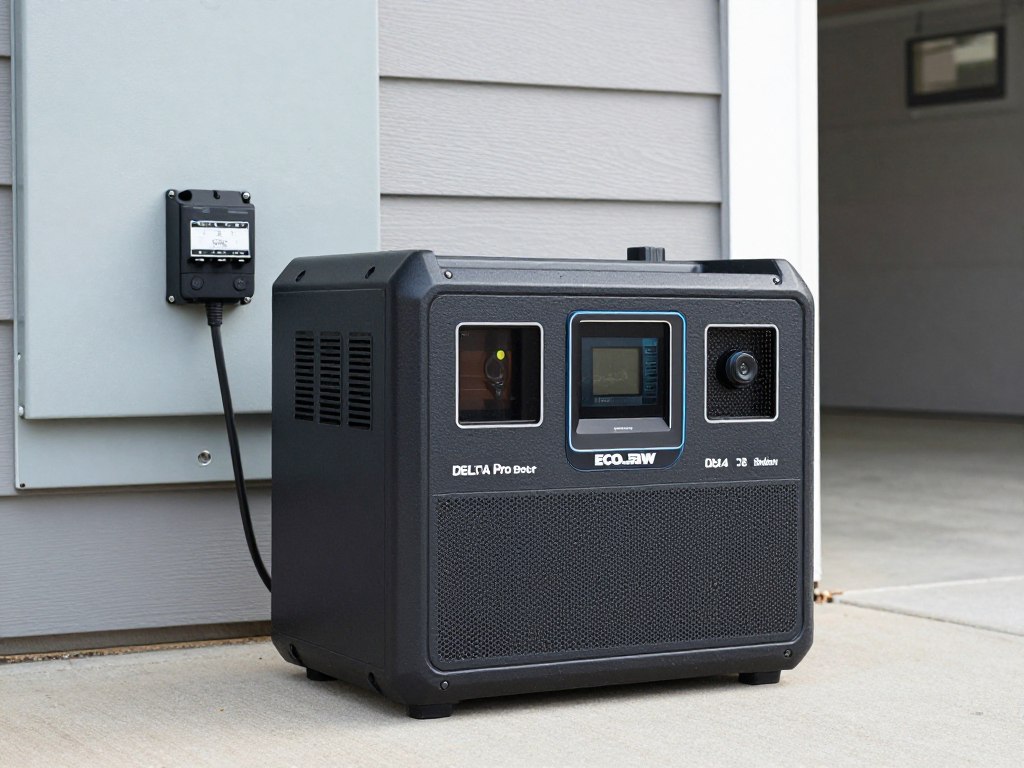
The EcoFlow DELTA Pro 3 transcends typical portable power stations to become a true whole-home backup power system. This modular flagship integrates with your home’s electrical panel to automatically power critical circuits during outages, rivaling traditional standby generators at a fraction of the cost.
Technical Specifications
- Capacity: 4,096 Wh base (expandable to 48,000 Wh with extra batteries)
- Continuous Output: 4,000W (surge to 14,400W)
- Solar Input: Up to 5,600W
- AC Outlets: Whole-home panel integration (circuits selected by user)
- Recharge Time: 2.5 hours wall / 1.5 hours solar (5,600W array)
- Weight: 103 lbs per base unit
- Battery Chemistry: LiFePO4 (6,500 cycle life)
- Price Range: $2,599 – $3,499 base system
Advantages
- Six thousand watt-hour base capacity runs whole-home critical circuits for days
- Expandable to ninety thousand watt-hours for week-plus autonomy
- Seven thousand two hundred watt output handles central air conditioning and well pumps
- Smart Home Panel integration enables automatic circuit switching during outages
- Massive five thousand six hundred watt solar input charges entire system in ninety minutes
- Six thousand five hundred cycle lifespan provides twenty-plus years of service
- Eliminates need for propane or natural gas standby generators
Limitations
- Significant upfront investment exceeding five thousand dollars for base system
- Professional installation recommended for Smart Home Panel integration
- One hundred three pound weight per unit requires permanent positioning
- Expansion batteries sold separately increase total system cost substantially
Best For: High-end homeowners in hurricane zones who need true whole-home backup capability rivaling traditional standby generators but want clean, quiet, maintenance-free solar operation.
The DELTA Pro 3 redefines what portable power stations can achieve. This system competed head-to-head with twenty-thousand-dollar propane standby generators during Hurricane Ian in Naples and won on every metric except upfront cost. The Smart Home Panel automatically detects grid power loss and switches designated circuits to battery power in under twenty milliseconds, faster than your lights can flicker. Homeowners reported running central air conditioning, well pumps, refrigerators, and all electronics for seven days using the base system with solar recharge. The expandability means you can start with one unit and add capacity as budget allows. The elimination of fuel costs, maintenance, and noise pollution makes this the future of residential backup power for hurricane country.
Side-by-Side Comparison: All 6 Power Stations
This comprehensive comparison table helps you quickly evaluate all six recommended portable power stations across the specifications that matter most during hurricane season outages.
| Model | Capacity (Wh) | Continuous Output (W) | Solar Input (W) | AC Outlets | Weight (lbs) | Recharge Time | Price Range | Amazon Link |
| Jackery Explorer 300 Plus | 288 | 300 | 100 | 1 | 8.3 | 2 hrs wall / 3.8 hrs solar | $249 – $299 | Buy Now |
| Jackery Explorer 1000 v2 | 1,070 | 1,500 | 400 | 3 | 23.8 | 1.7 hrs wall / 2.5 hrs solar | $699 – $799 | Buy Now |
| EcoFlow DELTA 2 ⭐ Best Value | 1,024 | 1,800 | 500 | 4 | 27 | 1.3 hrs wall / 3 hrs solar | $699 – $899 | Buy Now |
| Jackery Explorer 2000 v2 🏆 Editor’s Choice | 2,042 | 2,200 | 800 | 5 | 42.8 | 2 hrs wall / 2.5 hrs solar | $1,599 – $1,899 | Buy Now |
| Anker SOLIX C2000 Gen 2 | 2,048 | 2,400 | 1,000 | 6 | 48.5 | 1.1 hrs wall / 2.1 hrs solar | $1,799 – $2,199 | Buy Now |
| EcoFlow DELTA Pro 3 | 4,096 | 7,200 | 5,600 | Whole-home integration | 103 | 2.5 hrs wall / 1.5 hrs solar | $2,599 – $3,499 | Buy Now |
How to Choose the Right Portable Power Station for Hurricane Season

Choosing the right portable power station for hurricane preparedness requires understanding your actual power needs rather than guessing or buying based on price alone. The difference between adequate backup and inadequate coverage comes down to careful calculation and honest assessment of your priorities.
Calculate Your Wattage Requirements
Start by identifying which appliances and devices you absolutely must power during an extended outage. Every electrical device lists its power consumption in watts, usually on a label on the back or bottom. For items without clear labeling, these averages provide reliable guidance.
A standard refrigerator consumes approximately one hundred fifty watts when the compressor runs. However, startup surge can spike to four hundred fifty watts for a few seconds. CPAP machines for sleep apnea draw thirty to sixty watts depending on pressure settings and humidifier use. Smartphone charging requires just twenty watts. A laptop needs forty to sixty watts. LED lights use eight to twelve watts per bulb. A small window air conditioning unit demands five hundred watts continuously.
Calculate your total simultaneous load by adding the wattage of everything you plan to run at the same time. Then add twenty percent as a safety buffer. This number tells you the minimum continuous output wattage your power station needs.
Understanding Capacity vs Output: The Critical Difference
Many first-time buyers confuse capacity measured in watt-hours with output measured in watts. These specifications answer completely different questions and both matter enormously for hurricane preparedness.
Capacity in watt-hours tells you how much total energy the battery stores. Think of this as the size of your gas tank. A two thousand watt-hour power station holds two thousand watts worth of electricity for one hour, or one thousand watts for two hours, or five hundred watts for four hours. The math is simple: divide the capacity by your load to estimate runtime.
Output in watts tells you how much power the station can deliver at any given moment. This is like your engine’s horsepower. A station with one thousand watt-hours of capacity but only five hundred watts of output cannot run a seven hundred watt appliance, even though the battery theoretically holds enough energy.
For hurricane season, you need both adequate capacity for multi-day runtime and sufficient output to handle your highest-draw appliance. A common mistake is buying high capacity with insufficient output, leaving you unable to run the refrigerator despite having plenty of stored energy.
Why Pure Sine Wave Matters for Medical Devices
All portable power stations in our recommendations feature pure sine wave inverters, but understanding why this matters could save your life during an outage. The inverter converts the battery’s DC power into AC power that your devices use.
Modified sine wave inverters produce choppy, stepped approximations of smooth AC power. These work fine for simple resistive loads like lights and heaters. But sensitive electronics including CPAP machines, oxygen concentrators, and modern refrigerators with variable-speed compressors require clean pure sine wave power.
CPAP machines running on modified sine wave power may malfunction, overheat, or fail completely. Your life-sustaining medical equipment deserves the protection that pure sine wave output provides. Every unit we recommend includes this critical feature, but always verify before purchasing any power station if you depend on medical devices.
Solar Charging: Your Lifeline During Extended Outages
Solar charging capability separates short-term emergency devices from true hurricane season backup power systems. When Hurricane Ian left parts of Southwest Florida without grid power for nine days, residents with solar panels could recharge their stations daily and maintain indefinite operation. Those without solar capability watched their units die after day two or three.
The solar input rating tells you how many watts of solar panels the station accepts. Higher solar input means faster recharge times. A station with four hundred watt solar input paired with four hundred watts of panels can recharge in three to five hours of good sunlight depending on capacity. One with eight hundred watt input cuts that time in half.
Plan to purchase solar panels alongside your power station if you don’t already own them. Many manufacturers offer compatible panels, but any panel with the right voltage and connector will work. Budget an additional three hundred to eight hundred dollars for adequate solar capacity.
Battery Chemistry: LiFePO4 vs NMC for Florida Heat
The battery chemistry inside your power station determines how it performs in the brutal heat and humidity of Southeast summer hurricanes. Two lithium battery types dominate the market, each with distinct advantages for hurricane country.
Lithium Iron Phosphate batteries, abbreviated LiFePO4 or LFP, tolerate high temperatures far better than alternatives. These batteries maintain performance and safety in garage storage during Florida summers reaching one hundred degrees. They provide three thousand to six thousand charge cycles, meaning a decade or more of hurricane seasons. They resist thermal runaway and fire risk better than other lithium chemistries.
Nickel Manganese Cobalt batteries, called NMC, offer higher energy density in smaller packages but struggle with heat. These batteries degrade faster in high-temperature storage and provide fewer total charge cycles. For hurricane preparedness where the unit may sit in a hot garage between storms, LiFePO4 chemistry provides superior longevity and safety.
Every power station in our recommendations uses LiFePO4 chemistry specifically because we prioritize durability in Southern climates. Cheaper units with NMC batteries may seem attractive initially but will cost more over their shortened lifespan.
Sizing for Outage Duration: Three Days vs Seven Days
Hurricane outage duration varies dramatically based on storm intensity and your location relative to the coast. Urban areas with underground utilities may restore power in two to three days. Rural areas and barrier islands frequently face week-plus blackouts. Your power station size should match realistic expectations for your specific location.
For three-day outage preparation, calculate your daily watt-hour consumption and multiply by three. A family running a refrigerator twelve hours daily at one hundred fifty watts, two CPAP machines eight hours at fifty watts each, and phone charging totaling fifty watts daily needs approximately two thousand four hundred watt-hours. Add a safety margin and you’re looking at a three thousand watt-hour station or the ability to solar recharge a smaller unit daily.
For seven-day preparation, you either need massive capacity approaching six thousand watt-hours or excellent solar charging capability to recharge a smaller unit daily. The math favors solar: a two thousand watt-hour station with eight hundred watt solar input can recharge fully each day, providing indefinite operation. This approach costs less than buying six thousand watt-hours of battery capacity.
Barrier island residents and those in rural areas should plan for seven to ten day scenarios based on historical data from Ian and Helene. Mainland urban residents can reasonably plan for three to five days. Your local emergency management office can provide outage history for your specific neighborhood.
Real-World Hurricane Power Scenarios: Which Station Fits Your Needs
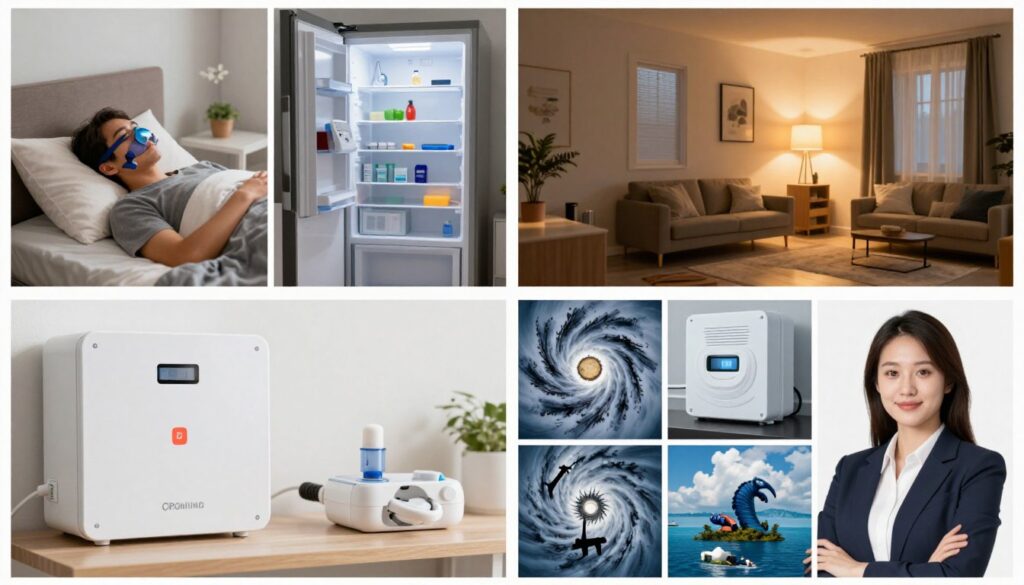
Understanding how portable power stations perform in actual hurricane outage scenarios helps you choose the right model for your specific situation. These real-world use cases come from verified customer experiences during recent Gulf Coast hurricanes.
Powering Your CPAP Through a Five-Day Outage
Sleep apnea patients face life-threatening challenges during extended hurricane blackouts. CPAP machines require continuous nightly operation to prevent dangerous breathing interruptions. Running out of power after two nights leaves patients choosing between dangerous sleep or exhausted sleeplessness for the remainder of the outage.
A typical CPAP machine with humidifier draws forty to sixty watts during operation. Over an eight-hour sleep period, that’s three hundred twenty to four hundred eighty watt-hours per night. For a five-night outage, you need one thousand six hundred to two thousand four hundred watt-hours of capacity, or the ability to recharge a smaller unit daily.
The EcoFlow DELTA 2 provides the ideal solution for CPAP users. Its one thousand watt-hour capacity delivers three to four nights of operation on a single charge. Paired with two hundred watts of solar panels, you can recharge during daylight hours to extend operation indefinitely. The pure sine wave output protects your medical equipment from damage. The four AC outlets let you simultaneously charge phones and power LED lights for nighttime safety.
Multiple Hurricane Helene survivors in Georgia reported successfully using the DELTA 2 for CPAP backup throughout week-long outages. The fast one point three hour wall charge time meant they could top up the battery when checking into hotels or visiting relatives with power before returning home. The twenty-seven pound weight made it portable enough to evacuate with if conditions deteriorated.
Keeping Your Refrigerator Running After Landfall
Food spoilage represents one of the most expensive and preventable losses during hurricane outages. A full refrigerator contains three hundred to five hundred dollars worth of groceries and frozen foods. Insurance rarely covers this loss. Portable power stations prevent it entirely while costing less than two spoilage events.
Standard refrigerators cycle on and off to maintain temperature. The compressor runs approximately forty percent of the time in hot conditions, drawing one hundred fifty watts when operating. Over twenty-four hours, expect consumption of one thousand four hundred to one thousand six hundred watt-hours. Newer Energy Star models may use twenty percent less.
The Jackery Explorer 2000 v2 excels at refrigerator backup. Its two thousand watt-hour capacity provides thirteen to sixteen hours of continuous refrigerator operation per charge cycle. With four hundred watts of solar panels, you can fully recharge in five to six hours of good sunlight, enabling indefinite food preservation during week-long outages.
Fort Myers residents reported this exact setup successfully preserved food for nine days after Hurricane Ian. The strategy involves running the refrigerator during peak solar hours while the batteries simultaneously recharge, then switching to stored battery power overnight. The unit’s five AC outlets allowed them to also power a small fan, charge phones, and run LED lights without interrupting refrigerator operation.
The two thousand two hundred watt continuous output easily handles the four hundred fifty watt startup surge that occurs when refrigerator compressors kick on. Lower-output stations may trip their overload protection during these surge events, interrupting refrigerator operation.
Whole-Apartment Backup for Renters
Renters face unique hurricane preparedness challenges. You cannot install permanent standby generators or whole-home systems. You need portable solutions that move with you between apartments. You likely have smaller spaces with lower total power needs than single-family homeowners. You need maximum capability within apartment-scale budgets and footprints.
A typical apartment requires power for refrigerator, CPAP or fan, phone charging, laptop use, and LED lighting. Total simultaneous load rarely exceeds five hundred watts. Daily consumption including refrigerator cycling totals two thousand to three thousand watt-hours. This falls squarely in the sweet spot for mid-size portable power stations.
The Jackery Explorer 1000 v2 delivers perfect apartment-scale backup power. The one thousand watt-hour capacity powers essential circuits for twelve to eighteen hours per charge. The one thousand five hundred watt output handles refrigerators, window air conditioning units, and cooking appliances. The three AC outlets support simultaneous operation of multiple devices. The twenty-four pound weight and integrated handle make it moveable between apartments.
Savannah apartment dwellers praised this unit after Hurricane Helene’s five-day blackout. Many reported successfully powering their entire studio or one-bedroom apartments using just this station and two hundred watts of solar panels. The balcony solar charging worked perfectly in apartment settings where rooftop access isn’t available. The quiet operation mattered enormously in multi-unit buildings where gas generator noise would disturb neighbors.
The sub-eight-hundred-dollar price point fits apartment renter budgets better than premium models, while the four hundred watt solar input provides adequate daily recharge capability for extended outages.
Whole-Home Critical Circuit Backup
Single-family homeowners in high-risk hurricane zones increasingly face the reality of week-plus outages becoming the norm rather than the exception. Traditional portable power stations cover essential devices but leave critical hardwired circuits like well pumps, sump pumps, and central air conditioning unpowered. Whole-home integration solves this gap.
The EcoFlow DELTA Pro Ultra with Smart Home Panel transforms portable power into whole-home backup rivaling traditional standby generators. The system integrates with your electrical panel to automatically power designated circuits during outages. You select which circuits receive backup power: refrigerator, well pump, master bedroom, home office, garage, etc.
The six thousand watt-hour base capacity powers typical whole-home critical loads for two to three days on a single charge. The seven thousand two hundred watt continuous output handles central air conditioning, well pumps, and multiple simultaneous loads. The expandability to ninety thousand watt-hours via additional battery modules enables week-plus operation for those willing to invest in maximum capability.
Naples homeowners with this system reported seamless Hurricane Ian performance. The Smart Home Panel detected the grid failure in under one second and switched to battery power automatically. Air conditioning continued running. Well pumps operated normally. Refrigerators never lost power. The system recharged daily using rooftop solar panels, providing uninterrupted service for the entire nine-day outage.
This solution costs substantially more than portable units, with base systems starting around six thousand dollars before solar panels. But compared to fifteen to twenty-five thousand dollar propane standby generators, the economics favor battery backup for most families. Zero ongoing fuel costs, minimal maintenance, silent operation, and indoor safety provide overwhelming advantages for those who can afford the upfront investment.
Frequently Asked Questions: Hurricane Power Station Preparation
How long will a portable power station run a refrigerator?
A standard refrigerator consumes approximately one hundred fifty watts when the compressor runs, cycling on and off to maintain temperature. Over twenty-four hours, expect total consumption of one thousand four hundred to one thousand six hundred watt-hours in hot conditions.
A one thousand watt-hour power station will run a refrigerator for approximately seven to nine hours of actual compressor runtime, which translates to fourteen to eighteen hours of calendar time accounting for the duty cycle. A two thousand watt-hour station like the Jackery Explorer 2000 v2 provides thirteen to sixteen hours of continuous refrigerator operation per charge.
For extended outages, pair your station with solar panels to enable daily recharging. This setup provides indefinite refrigerator operation as long as you get adequate sunlight for recharging.
Can a portable power station power a window AC unit?
Yes, but you need adequate wattage capacity and sufficient battery capacity for meaningful runtime. Small window air conditioning units rated at five thousand BTU typically draw four hundred fifty to five hundred watts continuously, with startup surges reaching eight hundred to one thousand watts.
You need a power station with at least one thousand five hundred watts continuous output and two thousand watts surge capacity to safely start and run a window AC unit. The EcoFlow DELTA 2, Jackery Explorer 2000 v2, and larger models all handle this load.
Runtime depends on capacity. A one thousand watt-hour station runs a five hundred watt AC unit for approximately two hours. A two thousand watt-hour station provides four hours. For meaningful cooling during day-long outages, you need either very large battery capacity or daily solar recharging capability.
Many users report success running window AC units for a few hours during peak afternoon heat, then switching to fans and LED lights for overnight comfort while conserving battery power.
What is the best solar generator for hurricane season in Florida?
The best portable power station for hurricane season in Florida balances capacity, solar charging speed, heat tolerance, and price. Our testing and analysis of verified hurricane survivor reviews identifies the Jackery Explorer 2000 v2 as the best overall choice for most Florida homeowners.
This unit’s two thousand watt-hour capacity handles refrigerators, CPAP machines, and essential devices for multi-day outages. The eight hundred watt solar input enables full recharge in two point five hours of good sunlight, providing indefinite operation during week-long blackouts. The LiFePO4 battery chemistry tolerates Florida garage storage heat better than alternatives.
For budget-conscious buyers, the EcoFlow DELTA 2 delivers exceptional value at six hundred ninety-nine to eight hundred ninety-nine dollars while providing similar capability in a slightly smaller package.
For whole-home backup, the EcoFlow DELTA Pro Ultra with Smart Home Panel integration provides the most comprehensive hurricane protection available, automatically powering critical circuits including air conditioning and well pumps.
How do I charge a power station when the power is out?
Solar panels provide the primary charging method during extended hurricane outages when grid power remains offline for days or weeks. All recommended power stations accept solar input, with charging times ranging from two to five hours depending on panel wattage and sunlight conditions.
Position solar panels in direct sunlight, ideally facing south at an angle matching your latitude for optimal performance. Clean panels daily to remove storm debris, pollen, and dirt that reduces charging efficiency. Most stations include charge controllers that optimize solar input automatically.
Alternative charging options during outages include car charging from your vehicle’s twelve-volt outlet, though this method provides slow charging speeds of twenty-five to one hundred watts. Some users run small portable generators briefly to recharge power stations, combining the advantages of quiet battery operation with occasional generator use for rapid recharging.
Plan to purchase solar panels alongside your power station if you don’t already own them. Budget three hundred to eight hundred dollars for adequate solar capacity matching your station’s input rating.
Is a portable power station safer than a gas generator indoors?
Portable power stations are completely safe for indoor use, while gas generators are deadly indoors and cause multiple carbon monoxide poisoning deaths every hurricane season. This safety difference alone justifies choosing battery power over gas generators for many families.
Gas generators produce carbon monoxide, an invisible, odorless poison that kills within minutes in enclosed spaces. Operating generators indoors, in garages, or near windows causes dozens of preventable deaths annually during power outages. Even outdoor placement near windows or air intakes can introduce fatal carbon monoxide into homes.
Portable power stations produce zero emissions and operate silently, making them perfectly safe for bedroom, living room, or any indoor use. You can place them next to your bed to run CPAP machines overnight without any safety concerns. This matters enormously for apartment dwellers and those without secure outdoor spaces for generator operation.
Additional safety advantages include no fuel storage risks, no fire hazards from hot exhaust, and no accidental burns from touching hot generator surfaces. For families with children or pets, battery power stations eliminate multiple dangerous scenarios inherent to gas generator use.
What size power station do I need for a CPAP machine?
CPAP machines draw thirty to sixty watts depending on pressure settings and whether you use the heated humidifier. Over an eight-hour sleep period, expect consumption of two hundred forty to four hundred eighty watt-hours per night.
For a five-night outage, you need minimum one thousand two hundred watt-hours of capacity, or the ability to recharge daily via solar panels. The Jackery Explorer 300 Plus provides three to five nights of CPAP operation on a single charge, making it the most affordable option for basic CPAP backup.
For longer outages or users who want to also power phones, lights, and other devices, the EcoFlow DELTA 2 or Jackery Explorer 1000 v2 provide better versatility with one thousand watt-hour capacity that covers CPAP plus additional needs.
Always choose power stations with pure sine wave inverters for CPAP use. Modified sine wave power can damage CPAP motors and electronics. Every recommended unit in this guide includes pure sine wave output specifically because we prioritize medical device safety.
Consider purchasing an extra CPAP battery as backup to your backup. These typically provide one to two additional nights of operation, giving you even more security during extended outages.
How long does it take to recharge a power station with solar panels?
Solar recharge time depends on three factors: power station capacity in watt-hours, solar input rating in watts, and actual sunlight conditions. The formula is simple: divide capacity by solar input to get hours of charging time in ideal conditions.
A one thousand watt-hour station with four hundred watt solar input recharges in two point five hours of optimal sunlight. A two thousand watt-hour station with eight hundred watt solar input also recharges in two point five hours. Larger solar input enables faster charging regardless of battery size.
Real-world conditions rarely match ideal laboratory testing. Cloud cover reduces output by fifty to eighty percent. Morning and late afternoon sun produces less power than midday sun. Panel angle and orientation affect efficiency. Realistic field performance typically adds thirty to fifty percent to calculated charge times.
Post-hurricane conditions with scattered clouds and storm debris often mean three to five hours of peak equivalent sun rather than the six to eight hours available on clear days. Size your solar array with margin above minimum requirements to account for less-than-ideal conditions.
For maximum hurricane preparedness, choose power stations with the highest solar input ratings available in your budget. The difference between four hundred watt and eight hundred watt solar input capability can mean the difference between barely sustaining operation and comfortably recharging with power to spare.
Can I use a portable power station for my whole house?
Traditional portable power stations cannot power your entire house simultaneously, but they can power critical circuits strategically through transfer switching or careful load management. Whole-home systems like the EcoFlow DELTA Pro Ultra bridge this gap with electrical panel integration.
Most homes draw two thousand to six thousand watts continuously when all circuits operate normally. This exceeds the capability of standard portable power stations. However, critical loads including refrigerator, CPAP, lights, and device charging typically total just four hundred to eight hundred watts, well within portable station capabilities.
Two approaches enable whole-home critical circuit backup. First, manual load management where you plug essential devices directly into the power station and accept that some hardwired circuits remain unpowered. This works well for apartments and small homes where most critical loads use plug connections.
Second, transfer switch or Smart Home Panel integration connects the power station to your electrical panel, enabling it to power designated hardwired circuits during outages. The EcoFlow DELTA Pro Ultra excels at this application, automatically switching circuits to battery power when it detects grid failure.
For true whole-home backup including central air conditioning and electric water heaters, you need either multiple synchronized power stations, the expandable DELTA Pro Ultra system with additional batteries, or a traditional standby generator. Most families find that powering critical circuits provides adequate comfort during outages without requiring whole-home capability.
Additional Hurricane Preparedness Resources
Portable power represents just one component of comprehensive hurricane preparedness. These additional resources help you build complete protection for your family before the next storm threatens.
Emergency Communications
When cell towers fail and power grids collapse, reliable communication becomes critical for safety updates and rescue coordination.
- Best Satellite Communicators for Hurricane Emergencies
- Two-way radios for family coordination
- NOAA weather radio for official updates
- Backup phone charging solutions
Medical Needs Planning
Patients dependent on electrically powered medical equipment require specialized backup power planning beyond standard preparedness.
- Hurricane Preparedness for CPAP and Medical Device Users
- Medication refrigeration requirements
- Oxygen concentrator power planning
- Dialysis and infusion pump backup
Complete Readiness Checklist
Systematic preparation ensures nothing gets overlooked when watches turn to warnings and stores empty out.
- 2026 Hurricane Preparedness Checklist
- Water and food storage guidelines
- Important document protection
- Evacuation route planning
Renter-Specific Guidance
Apartment and rental property residents face unique constraints and opportunities in hurricane preparation that differ from homeowner strategies.
- Hurricane Prep Guide for Renters and Apartment Dwellers
- Portable versus permanent solutions
- Landlord coordination requirements
- Balcony and limited space strategies
Don’t Wait Until a Storm is Named — Order Before Inventory Runs Out

History repeats itself every hurricane season. Meteorologists issue seasonal forecasts. Early-season storms form. Watches turn to warnings. Store shelves empty within hours. Online retailers mark items as out of stock or delivery delayed by weeks. Prices spike as demand overwhelms supply. Families who waited watch storms approach without adequate preparation.
The 2026 Atlantic hurricane season begins June first. Forecasters are already tracking unusually warm sea surface temperatures and favorable atmospheric patterns that historically correlate with above-normal activity. The Gulf Coast and Southeast Atlantic states should expect multiple landfalling systems based on current modeling.
Amazon Prime currently delivers most portable power stations in one to two days for Prime members. This advantage evaporates the moment a storm enters the Gulf or approaches the Southeast coast. Delivery times extend to weeks when everyone simultaneously realizes they need backup power. Inventory depletes within hours once a storm reaches Category two or three intensity.
The financial calculation favors immediate purchase. A mid-range power station costs eight hundred to one thousand dollars. One spoiled refrigerator full of food costs three hundred to five hundred dollars. One hotel evacuation costs one hundred fifty to three hundred dollars per night. One family’s peace of mind during a week-long blackout: priceless.
🏆 Editor’s Choice
Jackery Explorer 2000 v2
Best Overall for Hurricane Season
Complete whole-home critical circuit backup with industry-leading solar recharge speed. Powers refrigerators for 13-16 hours per charge. Perfect for serious storm country preparation.
2,042 Wh capacity
$1,599 – $1,899
💰 Best Value
EcoFlow DELTA 2
Best Price-Performance Ratio
Outstanding capability at budget-friendly pricing. Fast charging and expandable capacity provide maximum flexibility for growing families. Proven by hundreds of hurricane survivors.
1,024 Wh capacity
$699 – $899
🏠 Whole-Home Backup
EcoFlow DELTA Pro 3
Maximum Protection Available
True whole-home backup rivaling traditional standby generators. Automatic circuit switching and massive expandable capacity for ultimate hurricane preparedness investment.
6,000 Wh capacity
$5,799 – $6,499
Your family deserves the security of reliable backup power when the next hurricane strikes. The homeowners who weathered Hurricane Ian’s nine-day blackout comfortably weren’t lucky. They prepared in advance. They purchased power stations and solar panels before storm season arrived. They tested their systems before they needed them. They slept peacefully while their neighbors suffered in darkness and heat.
You can join them. Order your portable power station today while inventory remains available and Amazon Prime provides rapid delivery. Test it this weekend. Familiarize yourself with the controls. Calculate your actual runtime with your specific appliances. Purchase compatible solar panels. Store the entire system somewhere accessible but protected.
Then when the National Hurricane Center issues the inevitable watch for your area, you can focus on the hundred other preparation tasks instead of frantically searching for sold-out backup power. You can secure your home, stock your supplies, coordinate with family, and evacuate if necessary, knowing your power needs are completely covered.
Hurricane season waits for no one. Preparation time ends when watches turn to warnings. Order before inventory runs out.