You hear the forecast. Another hurricane is forming in the Gulf. Your phone buzzes with emergency alerts. But unlike your neighbors who own their homes, you face a different reality. No whole-home generator. No storm shutters you can install. No permanent modifications allowed.
You are not powerless. This guide shows renters how to prepare for hurricane season without installing anything permanent. Every item requires zero landlord permission.
Affiliate Disclosure: Coastal Guardians is a participant in the Amazon Services LLC Associates Program. As an Amazon Associate we earn from qualifying purchases at no additional cost to you.
Why Renters Face Unique Hurricane Challenges
Homeowners can install backup generators. They can add storm shutters. They can reinforce their property before hurricane season arrives. Renters cannot do these things.
Your lease restricts modifications. Most rental agreements prohibit permanent installations. You cannot drill into walls. You cannot modify electrical systems. You cannot install window protection without written permission from your landlord.
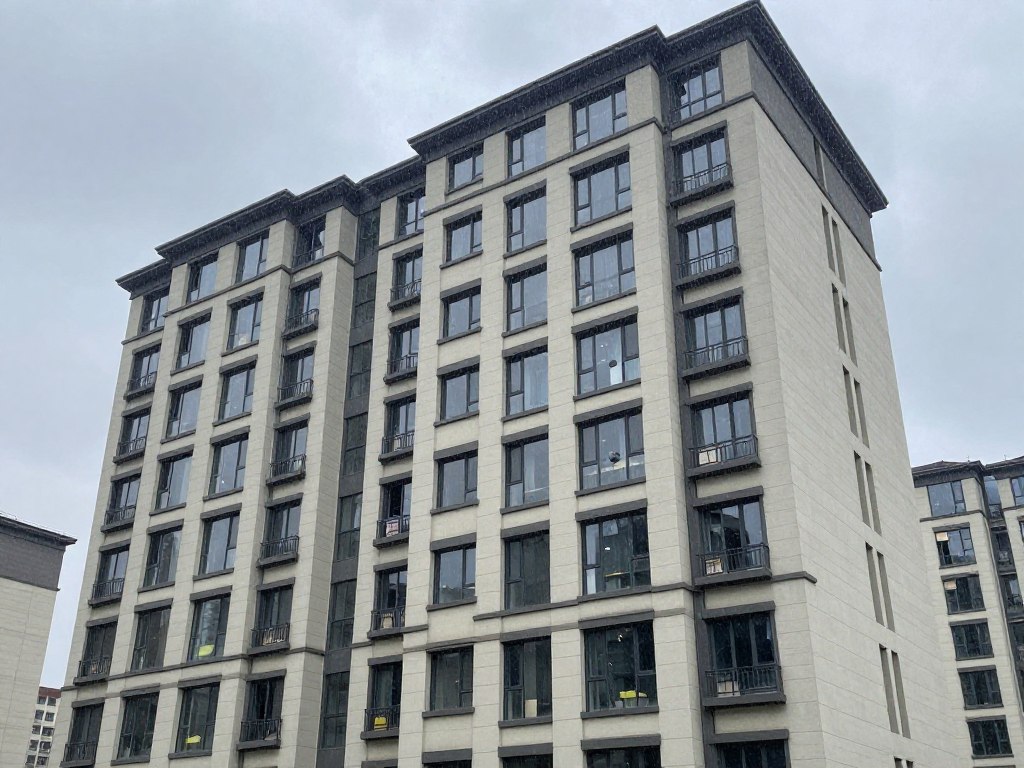
The numbers tell a concerning story. According to property insurance data, renters are three times more likely to experience extended power outages during hurricanes compared to homeowners with backup systems. Apartment buildings often lose power first and get restored last.
Homeowner Advantages
- Install permanent generators
- Add storm shutters and reinforcements
- Modify electrical systems
- Control property repairs timeline
- Store large emergency supplies
Renter Constraints
- No permanent installations allowed
- Limited storage space
- Depend on landlord for repairs
- Must work within lease terms
- Cannot modify building structure
But limitations do not mean helplessness. The key is focusing on portable, temporary solutions that deliver the same protection without requiring landlord approval.
You Can Prepare Without Permission
Everything in this guide requires zero installation and zero landlord approval. You will learn which portable solutions actually work when the power goes out and water stops flowing.
The Renter’s Hurricane Priority List: Four Essential Categories
Emergency officials recommend focusing on four core areas. Each category addresses a critical survival need during and after a hurricane strikes your area.
- Portable power stations
- Battery banks for phones
- LED lanterns and flashlights
- Solar charging panels
Power
- Portable water filters
- Water storage containers
- Purification tablets
- One gallon per person per day
Water
- NOAA weather radio
- Backup phone charging
- Emergency contact list
- Local evacuation routes
Communication
- Non-perishable food
- First aid kit
- Medications for two weeks
- Important documents
Shelter Supplies
These four categories form the foundation of any solid hurricane prep plan. Address them in order. Power comes first because it enables everything else to function.
Portable Power Stations: Your Apartment-Friendly Generator Alternative
Traditional gas generators create deadly carbon monoxide. You cannot run them indoors. This makes them useless for apartment dwellers. Portable power stations solve this problem completely.
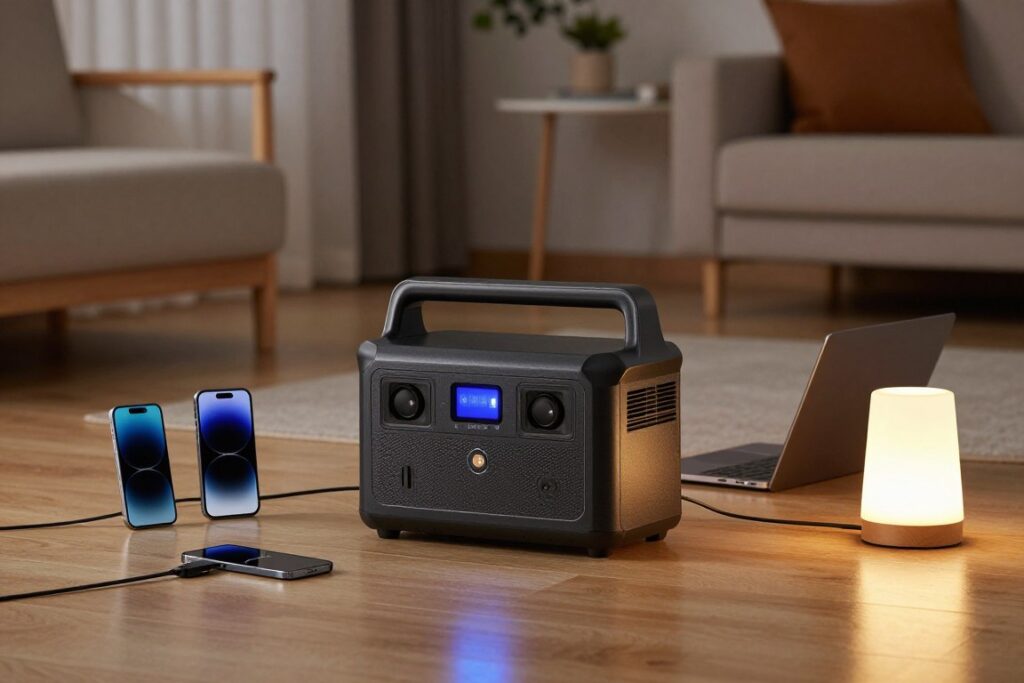
These battery-powered units store electricity. You charge them before the storm hits. They provide clean, silent power for days without any fumes or noise. Most importantly, they are completely safe to use inside your apartment.
A quality portable power station handles critical needs during extended outages. Charge your phone to receive emergency updates. Power a small fan in Florida heat. Run a CPAP machine through the night. Keep medications refrigerated when the power fails.
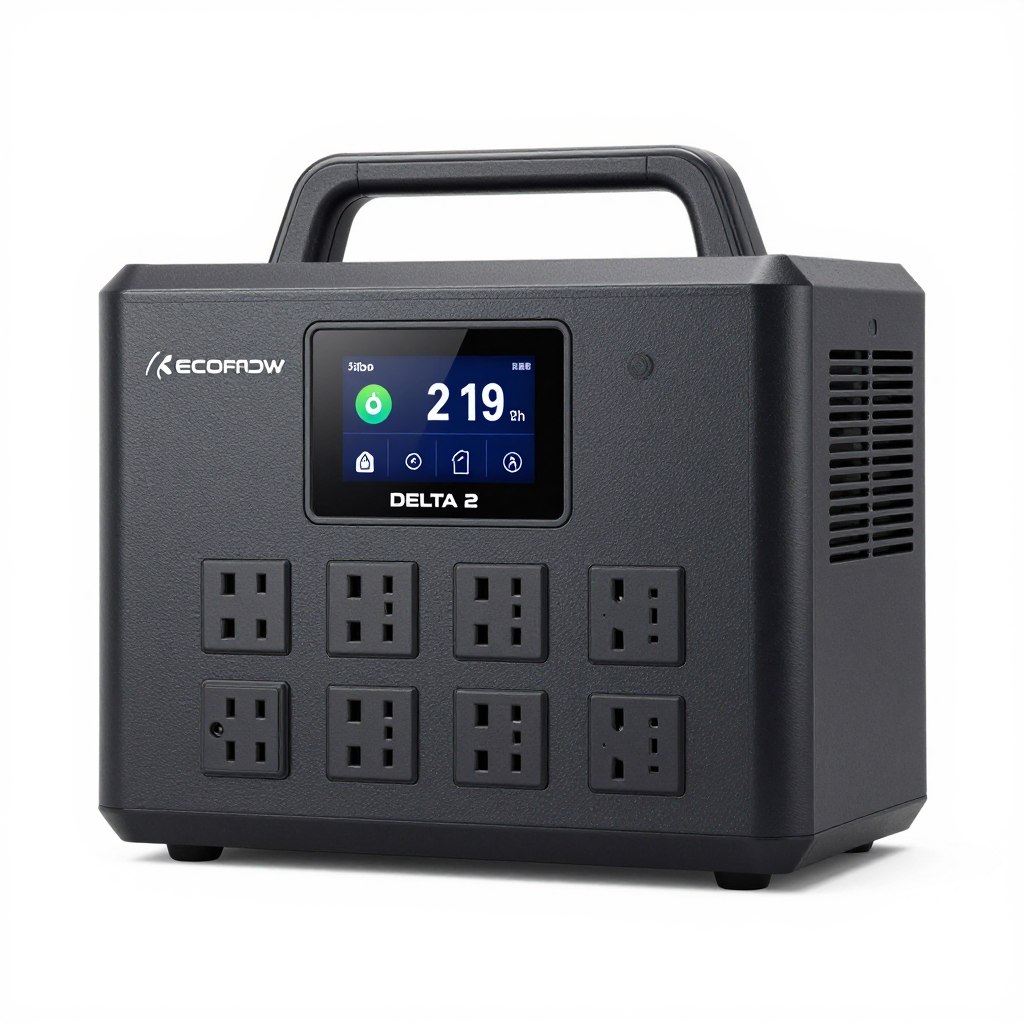
Top Pick: EcoFlow DELTA 2
The EcoFlow DELTA 2 delivers 1,024 watt-hours of capacity in a portable package. This means real-world runtime that matches renter needs during multi-day outages.
Advantages
- Powers refrigerator for 10-12 hours
- Charges phones 50+ times
- Runs laptop for 15+ hours
- Fast recharge in 1.3 hours
- Expandable battery capacity
- Six AC outlets plus USB ports
Considerations
- Higher initial investment
- 27-pound weight
- Takes up closet storage space
This unit handles surge power up to 2,400 watts. That means you can run power-hungry items like a microwave or small air conditioner briefly. The built-in battery management system protects against overcharging and maintains battery health for years.
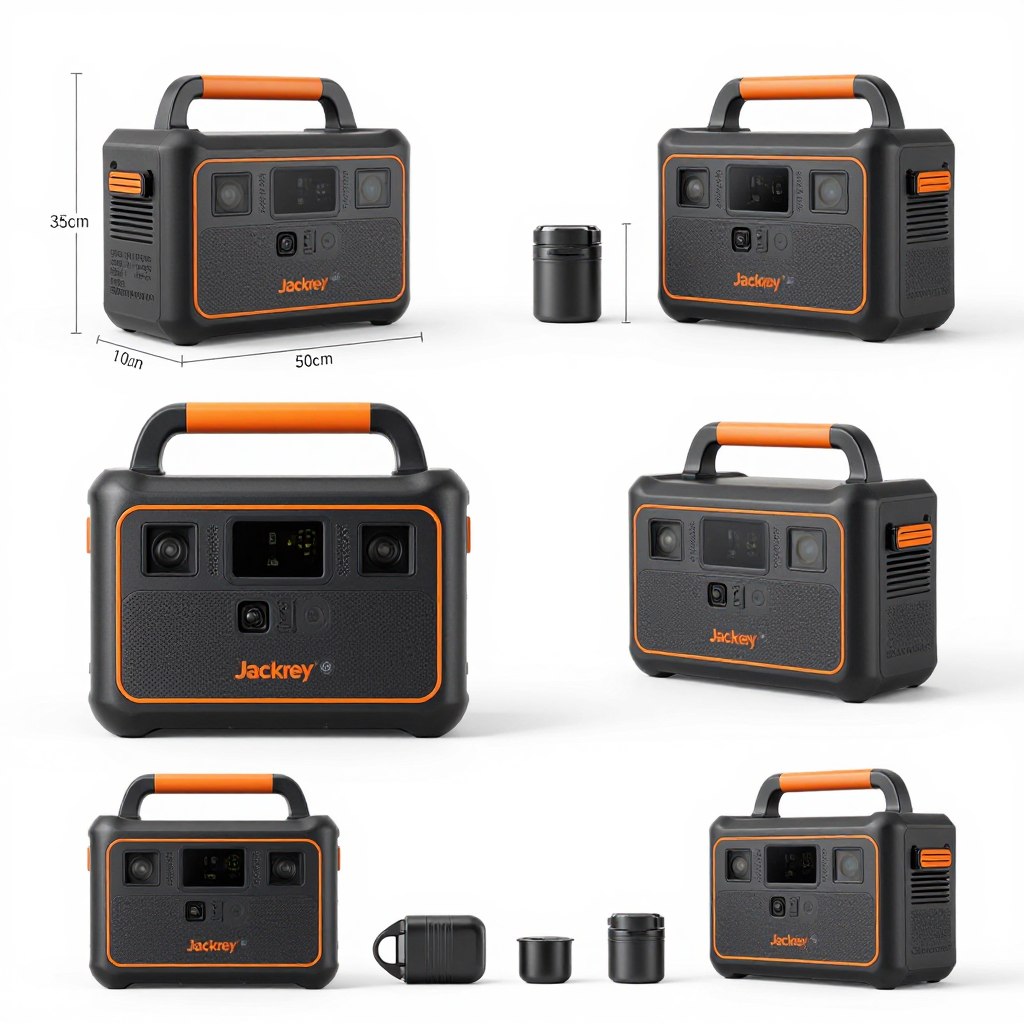
Budget Pick: Jackery Explorer 300 Plus
The Jackery Explorer 300 Plus offers 288 watt-hours at a fraction of the cost. This makes it accessible for renters on tight budgets who still need reliable backup power.
Advantages
- Affordable entry point
- Lightweight at 8 pounds
- Charges phones 15+ times
- Powers LED lights for days
- Compact storage footprint
Limitations
- Lower capacity than DELTA 2
- Cannot run refrigerator long-term
- Fewer simultaneous outlets
This unit excels at essential communication and lighting needs. It keeps your phone charged for emergency updates. It powers LED lanterns to navigate your apartment safely. It runs a small fan to maintain air circulation during hot nights.
Want more details on choosing the right portable power station capacity for your specific apartment needs? Read our comprehensive guide: Best Portable Power Station for Hurricane Season 2026. That article breaks down wattage calculations and runtime estimates for common household items.
Pro Tip: Charge your portable power station fully when a hurricane watch is issued for your area. Do not wait for a hurricane warning. By that time, everyone else is scrambling to prepare and power may already be unstable.
Water Filtration Solutions That Require Zero Installation
Municipal water systems often fail during hurricanes. Flood damage contaminates treatment plants. Power outages shut down pumping stations. Even when water flows, boil-water advisories become common after major storms.
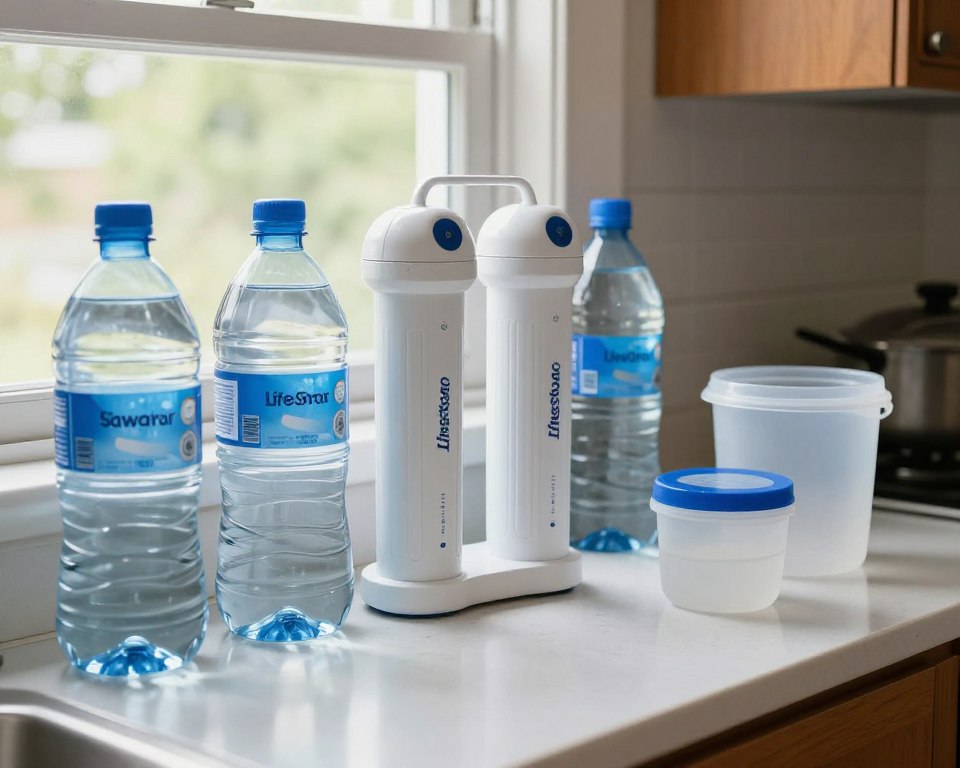
Renters cannot install under-sink filtration systems. Most leases prohibit modifications to plumbing. But portable water filters solve this problem without requiring any installation or landlord permission.
The CDC recommends storing one gallon of water per person per day. For a family of three preparing for a week-long outage, that means 21 gallons. Most apartments lack space to store that much water. Portable filters reduce the storage burden significantly.
LifeStraw Personal Water Filter
This straw-style filter removes bacteria, parasites, and microplastics from any water source. It processes up to 1,000 gallons before replacement. You drink directly through the straw from any container.
The LifeStraw meets EPA drinking water standards. It removes harmful organisms that cause waterborne illness. Each unit is small enough to fit in your pocket or emergency go-bag.
- No pumping or batteries required
- Works immediately without setup
- Filters 1,000 gallons per unit
- Removes 99.9% of bacteria and parasites
- Lightweight at 2 ounces
Sawyer Squeeze Water Filter System
The Sawyer Squeeze uses a hollow fiber membrane to remove contaminants. It attaches to standard water bottles or included pouches. This system filters faster than straw-style options and serves multiple people easily.
You fill the pouch with untreated water. Squeeze it through the filter into a clean container. The process takes seconds and produces safe drinking water for your entire household.
- Filters up to 100,000 gallons
- Faster flow rate than straws
- Serves multiple family members
- Backflushable for maintenance
- Removes bacteria, protozoa, and cysts
Store some water even with filters available. Keep at least three days of drinking water in your apartment. Use the portable filter to extend your supply if the outage continues beyond your stored reserves.
The Renter’s Hurricane Evacuation Go-Bag
Sometimes you must evacuate. Mandatory evacuation orders give you hours, not days. You need a pre-packed bag ready to grab immediately.
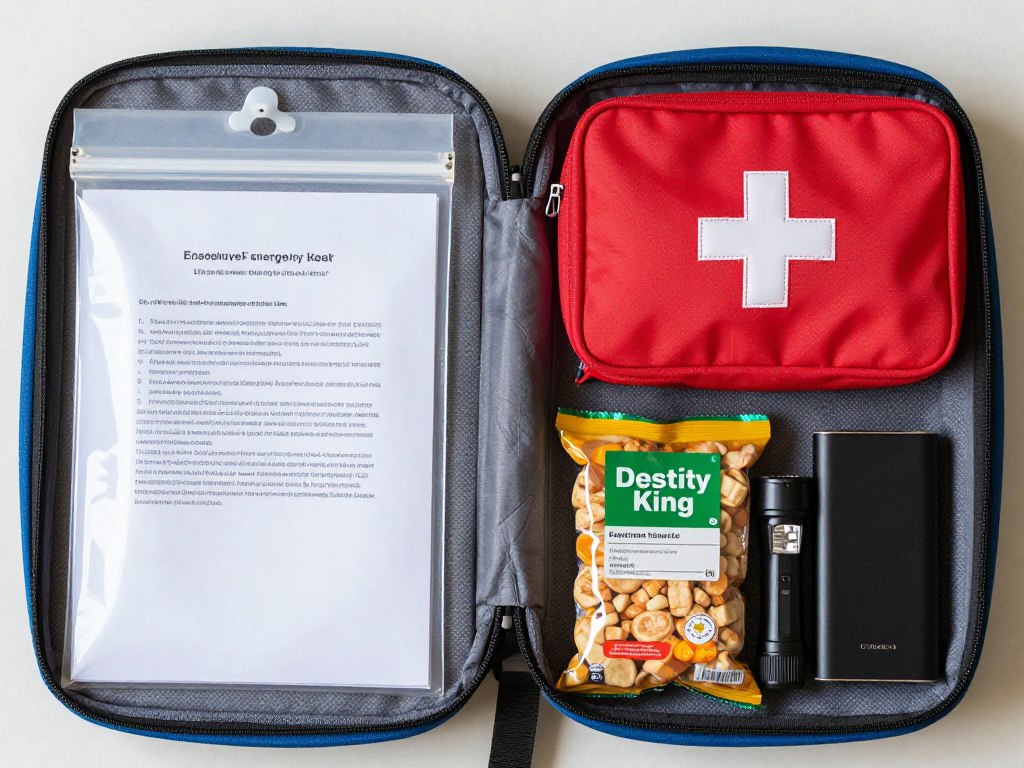
Renters have an advantage here. You own less stuff than homeowners. Your evacuation bag can be simpler and lighter. Focus on items that sustain you for 72 hours away from home.
Critical Documents
Store these in a waterproof document holder. You will need them for insurance claims, hotel check-ins, and proving identity.
- Photo ID and driver’s license
- Insurance policy numbers
- Lease agreement copy
- Credit cards and cash
Medical Essentials
Pack a two-week supply of prescription medications. Include over-the-counter medicines for common ailments that might arise during evacuation.
- Prescription medications
- First aid supplies
- Pain relievers and fever reducers
- Allergy medications
Food and Water
Choose items that require no refrigeration or cooking. Focus on calorie-dense options that pack small but provide sustained energy.
- Protein bars and granola
- Dried fruit and nuts
- Peanut butter packets
- Water bottles (3 per person)
Personal Items
Include basics for hygiene and comfort. You might be staying in a crowded shelter where showers are limited and privacy is minimal.
- Change of clothes
- Toiletries and hygiene items
- Phone charger and cables
- Flashlight with extra batteries
Keep your go-bag near your apartment door. Do not store it in a closet where you might forget it during a rushed evacuation. Check contents every hurricane season and replace expired items.
Time-Sensitive Alert: Hurricane season peaks from August through October. Stores sell out of emergency supplies quickly once a storm enters the Gulf. Assemble your go-bag during the quiet months of May and June when inventory is fully stocked.
Stay Informed: Communication Tools for Renters
Cell towers fail during hurricanes. High winds knock down infrastructure. Flooding damages equipment. Your smartphone becomes useless without working towers or power to charge it.
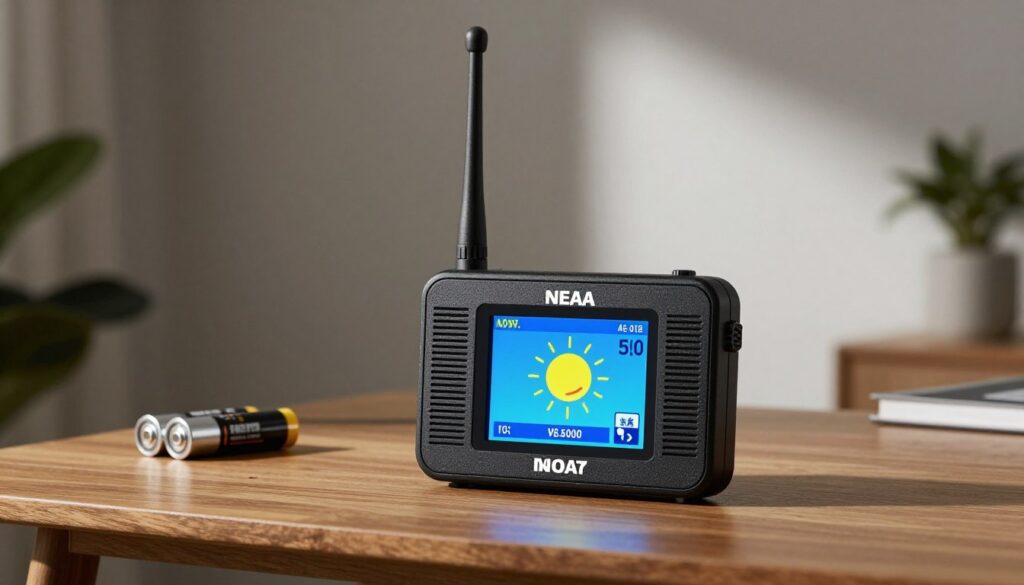
A battery-powered NOAA weather radio solves this communication gap. These devices receive broadcasts directly from government weather stations. No cell towers required. No internet connection needed.
Weather radios receive emergency alerts from officials. Evacuation orders. Shelter locations. Storm track updates. All-clear notifications when it becomes safe to leave your apartment.
Midland ER310 Emergency Weather Radio
This multi-powered radio receives NOAA weather channels. It includes AM/FM bands for local news. The built-in flashlight provides emergency lighting. A USB port charges your phone when other power sources fail.
- Three power options: solar, hand crank, rechargeable battery
- Receives NOAA weather alerts automatically
- Charges phones via USB port
- Includes bright LED flashlight
- Ultrasonic dog whistle for emergencies
The hand-crank feature matters most during extended outages. When batteries die and solar panels cannot charge in storm darkness, you crank the handle for power. One minute of cranking provides 15 minutes of radio reception.
Program local emergency numbers into your phone before the storm. Screenshot important contact information. Save evacuation route maps offline. These simple steps ensure you can access critical information even when cell service becomes unreliable.
Protect Your Property: Insurance and Documentation for Renters
Your landlord’s insurance covers the building structure. It does not cover your personal belongings. Renters insurance fills this critical gap.
A basic renters insurance policy costs less than the average monthly streaming subscription. Most policies run between fifteen and thirty dollars per month. This small investment protects thousands of dollars in personal property.
Flood damage requires separate coverage. Standard renters insurance excludes flood-related losses. If you live in a flood-prone area, purchase flood insurance through the National Flood Insurance Program.
What Renters Insurance Covers
- Personal property damage from wind
- Water damage from roof leaks
- Temporary housing if apartment becomes uninhabitable
- Liability protection for guest injuries
- Theft during evacuation
Document Everything Before Storm Season
- Photograph each room from multiple angles
- Record serial numbers of electronics
- Save receipts for valuable items
- Store documentation in cloud storage
- Update inventory annually
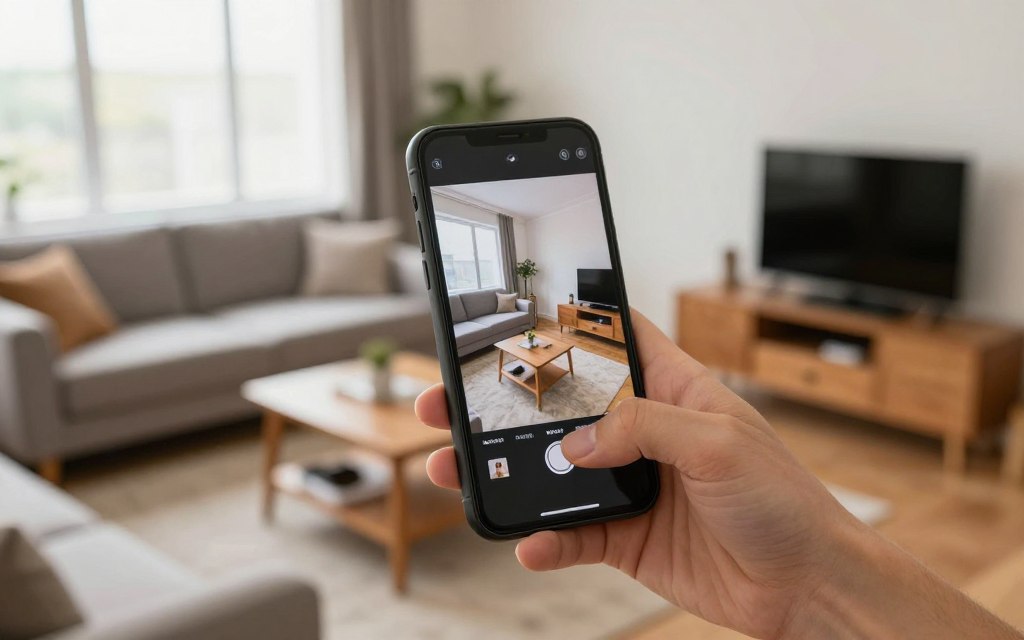
Take photos of your apartment before hurricane season arrives. Walk through each room. Capture furniture, electronics, clothing, and other belongings. Upload these photos to cloud storage where they remain accessible even if your phone is lost or damaged.
This documentation proves ownership when filing insurance claims. Adjusters need evidence of what you owned before the storm. Clear photos speed up the claims process and help ensure fair compensation.
Frequently Asked Questions: Hurricane Prep for Renters
Can I use a portable generator in my apartment during a hurricane?
No. Never use gas-powered generators indoors. They produce carbon monoxide that kills quickly in enclosed spaces. Portable power stations provide the safe alternative. These battery-powered units work indoors without any fumes or dangerous emissions. They deliver clean electricity to charge phones, power lights, and run small appliances safely inside your apartment.
What size portable power station do I need for hurricane prep in Florida?
Most renters need at least 500 watt-hours of capacity for basic hurricane preparedness. This provides enough power to charge phones multiple times, run LED lights for several days, and power a small fan. If you need to run a refrigerator or medical equipment like a CPAP machine, look for units with 1,000 watt-hours or more. The EcoFlow DELTA 2 at 1,024 watt-hours handles these higher-demand scenarios well.
How do I prepare my apartment for a hurricane if I cannot install storm shutters?
Focus on interior protection instead of exterior modifications. Move furniture away from windows. Close all interior doors to compartmentalize wind damage if windows break. Place important documents and electronics in waterproof containers stored on high shelves away from potential flooding. Fill bathtubs with water before the storm for non-drinking uses. These steps require no installation and significantly reduce damage risk.
Is renters insurance worth it for hurricane protection?
Yes. Renters insurance typically costs less than thirty dollars monthly but covers thousands in personal property. Your landlord’s policy protects the building but not your belongings. Without renters insurance, you bear the entire cost of replacing furniture, electronics, clothing, and other possessions damaged by hurricane winds or water. Most policies also cover temporary housing if your apartment becomes uninhabitable after a storm.
How much water should I store in my apartment before hurricane season?
Store at least one gallon per person per day for three days minimum. A single person needs three gallons. A family of four requires twelve gallons for a three-day supply. Combine stored water with portable water filters to extend your safe water access. This approach reduces storage space requirements while maintaining water security during extended outages.
What emergency supplies can I keep in a small apartment with limited storage?
Prioritize compact, multi-purpose items. A portable power station provides electricity without taking much closet space. A LifeStraw water filter fits in a drawer but processes 1,000 gallons. LED headlamps take less room than lanterns. Freeze-dried food packs more nutrition per cubic inch than canned goods. A well-planned emergency kit for one person fits in a single plastic storage bin under your bed.
Do I need permission from my landlord to prepare for hurricanes?
Not for portable preparations. Everything in this guide requires zero landlord approval. Portable power stations, water filters, emergency supplies, and communication devices involve no installation or modifications. You do not need permission to store emergency supplies or own battery-powered equipment. Only permanent modifications like installing generators or storm shutters require landlord consent.
What should I do with my apartment plants and furniture before evacuating?
Move outdoor plants inside or secure them in a sheltered area. Bring in patio furniture that could become wind-blown projectiles. Inside your apartment, move furniture away from windows to reduce damage if glass breaks. Elevate items off the floor in case of flooding. Cover electronics and valuable items with plastic sheeting. These steps take minimal time but significantly reduce potential damage to your belongings.
Start Your Hurricane Prep Today—Before the Next Storm Forms
Every hurricane season brings the same pattern. A tropical system forms in the Atlantic. It strengthens into a named storm. Forecasters project it toward the Gulf Coast. Then panic buying begins.
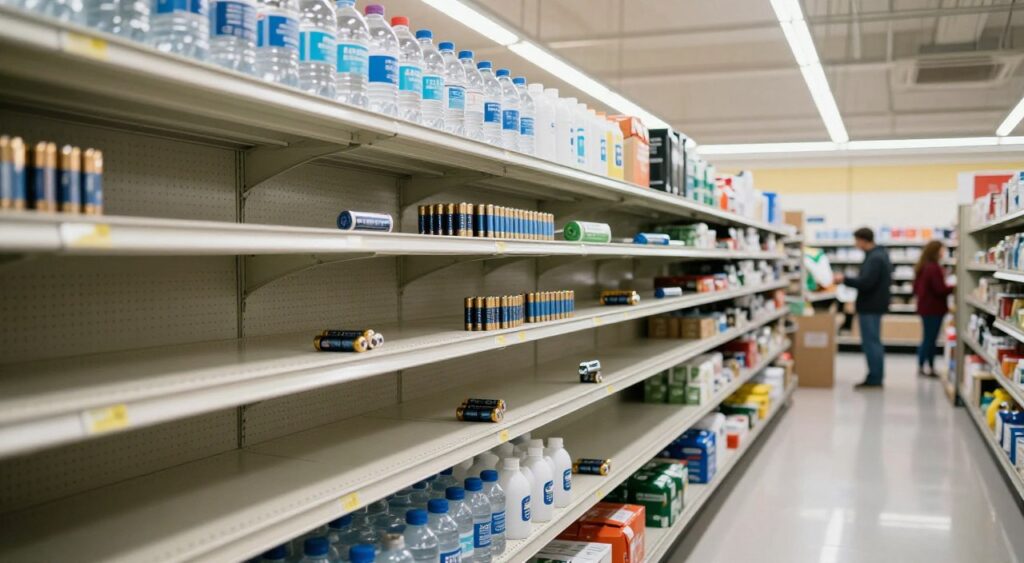
Store shelves empty in hours. Portable power stations sell out first. Water disappears next. By the time officials issue evacuation orders, you cannot find basic emergency supplies anywhere in your area.
This creates a dangerous situation for unprepared renters. You need these supplies most when they become impossible to buy. The solution is simple but requires action now, not during a hurricane watch.
Build Your Hurricane Kit This Week
Hurricane season runs June through November every year. The Atlantic averages fourteen named storms annually. Several of these become major hurricanes that threaten the Gulf Coast. Do not wait until a storm appears on the forecast. That is already too late to find quality equipment at reasonable prices.
Start with power. The portable power station forms the foundation of your hurricane preparedness. It enables everything else to function when the grid fails. Add water filtration next. Then build your go-bag. Finally, test your NOAA weather radio to ensure it receives local emergency broadcasts.
Break the preparation into steps if budget constraints make buying everything at once impossible. Purchase your portable power station this month. Add water filtration next month. Build your go-bag the following month. This approach spreads the cost while ensuring you make steady progress toward full preparedness.
Florida Renters: Hurricane season peaks in September when warm ocean temperatures fuel rapid storm development. Most Gulf Coast hurricanes form between August and October. Complete your preparations before August arrives. This timing ensures you beat the rush and secure quality equipment before inventory depletes.
Review your apartment lease before storm season. Know your landlord’s emergency contact information. Understand your building’s evacuation procedures. Ask about backup power for common areas and elevators. This knowledge helps you make informed decisions when a hurricane threatens your area.
Connect with neighbors who have lived through hurricanes in your building. They know which areas flood first. They understand how long power typically stays out. They can share lessons learned from previous storms. This local knowledge proves invaluable during your first hurricane season as a renter.
Check your emergency kit every few months. Replace expired food items. Test your portable power station and recharge it fully. Update your go-bag with current medications. Verify that your important documents remain current and accessible. Regular maintenance ensures everything works when you need it most.
You cannot control when hurricanes form. You cannot prevent power outages or water system failures. But you control your preparation level. The difference between scary and manageable comes down to the decisions you make today, not tomorrow when a storm approaches.
Renters face unique challenges during hurricane season. No whole-home generator. No ability to install permanent storm protection. Limited storage space for supplies. These constraints are real. But they do not make you powerless.
The portable solutions in this guide level the playing field. Your apartment can be just as prepared as any house with a permanent generator. The key difference is mobility. When you evacuate, your emergency supplies travel with you. When you shelter in place, they keep you safe and comfortable.
Take action this week. Choose your portable power station. Order your water filtration system. Start building your go-bag. Each step moves you closer to true hurricane readiness without requiring any landlord permission or permanent modifications.
The next hurricane will come. That is not a question. The only question is whether you will be ready when it does.